
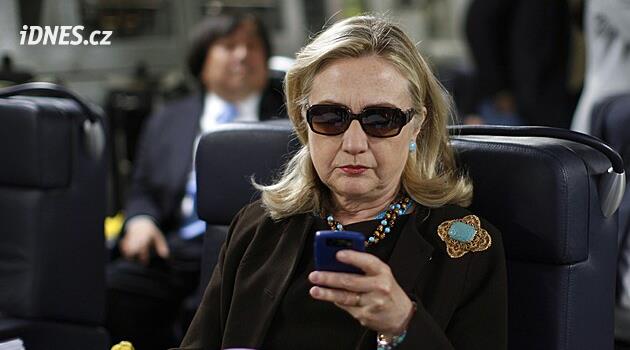
In the fast-paced ecosystem of social media, a single frozen frame can often outlive the event that created it. This is precisely what has happened with the Hillary Clinton plane meme, an image that has transitioned from a routine piece of campaign footage into a versatile piece of digital folklore. The image, depicting the former U.S. Secretary of State and 2016 presidential candidate leaning over a notebook with an expression of intense concentration, has become a global shorthand for secrecy, plotting, or the act of drafting a “strongly worded letter.”
For those unfamiliar with the origins, the image is not a staged photograph but a candid moment captured during the height of the 2016 U.S. Presidential race. While the internet now uses the image to speculate wildly about who she might be writing to—ranging from political rivals to imaginary grievances—the reality is far more mundane. It captures the grueling nature of the campaign trail, where every moment of transit is utilized for briefing, strategizing and correspondence.
As an editor who has covered the intersection of geopolitics and human rights for over a decade, I find these digital artifacts fascinating. They represent a phenomenon known as “context collapse,” where an image is stripped of its original meaning and repurposed to serve the emotional or comedic needs of a current audience. The Hillary Clinton plane meme is a masterclass in this transition, proving that in the digital age, a politician’s focus can be reinterpreted as a mystery for millions of users across X, TikTok, and Instagram.
The Origin: September 2016 and the Campaign Trail
The footage that birthed the meme dates back to September 2016. During this period, the campaign was in a state of high intensity, with candidates traversing the United States to secure key swing states. The specific clip originates from a moment when Clinton briefly spoke to the press while on her plane, a common practice for candidates to maintain visibility and provide updates to the traveling press pool. On September 5, 2016, Clinton was engaging with reporters to remain accessible as voters tuned into the final stretch of the election cycle.

In the original context, the act of writing was simply a candidate managing the administrative burden of a national campaign. Presidential candidates are typically surrounded by a whirlwind of memos, policy briefs, and schedules. The image of Clinton writing intently was, at the time, a sign of a candidate deeply immersed in the details of her platform and the logistics of her travel. However, when the video was later paused and screenshotted, the narrative shifted from “candidate at work” to “mysterious correspondence.”
The 2016 election was a watershed moment for the use of social media in politics. According to research by the Pew Research Center, the integration of social platforms into political campaigning reached unprecedented levels during this cycle, creating a massive archive of candid imagery that continues to be mined by internet users years later.
From News Footage to Viral Template
The transformation of this moment into a viral meme follows a predictable pattern of internet culture. First, a piece of authentic footage is isolated. Second, the “vibe” of the image—in this case, the combination of the airplane setting and Clinton’s focused gaze—is identified as a useful template for a specific emotion. For the internet, this image evokes the feeling of “plotting” or “secretly documenting” something.
The meme typically functions as a “reaction image.” Users post the photo alongside a caption describing a situation where they are secretly judging someone or planning a calculated response. For example, a user might post the image with the caption, “Me writing down every single thing my boss said wrong during the meeting,” effectively turning a high-stakes political moment into a relatable piece of office humor.
This process of “meme-ification” removes the political weight of the subject and replaces it with a universal human experience. The Hillary Clinton plane meme no longer functions as a commentary on her candidacy or her policies; instead, it serves as a visual shorthand for the act of meticulous, perhaps slightly vengeful, note-taking.
The Psychology of the “Secret Note”
Why does this specific image resonate more than others? The power of the meme lies in the ambiguity of the action. Because the viewer cannot see what is being written on the page, the notebook becomes a “blank canvas” onto which the user can project any scenario. The airplane setting adds a layer of exclusivity and transit, suggesting that the writing is happening “between” destinations, adding to the sense of a private, clandestine moment.
In the realm of visual communication, this is known as a “low-context” image that allows for “high-context” interpretation. The intensity of Clinton’s expression—the furrowed brow and the grip on the pen—signals a high level of importance. When this is applied to trivial daily struggles, the contrast creates the humor. This proves the juxtaposition of “presidential gravity” with “internet pettiness” that drives the engagement.
the image taps into a broader cultural fascination with the “behind-the-scenes” lives of powerful people. The idea that a world leader is doing something as human and analog as writing in a notebook on a plane humanizes the figure while simultaneously allowing the internet to satirize the perceived “calculated” nature of political personas.
Navigating Context Collapse in the Digital Age
The trajectory of this meme highlights a significant shift in how we consume information. In the traditional media era, a clip of a candidate writing on a plane would have been a five-second B-roll shot in a news package, forgotten within a week. In the era of the algorithmic feed, that five-second shot is archived, sliced, and redistributed globally, often divorced from its original date and purpose.
This “context collapse” is not unique to political figures. We see it with celebrities, athletes, and public officials. However, when it happens to political figures, it can occasionally lead to misinformation. While the “writing on a plane” meme is largely harmless and humorous, the same mechanism is often used to create “deepfakes” or misleading edits that suggest events occurred which did not. The distinction between a “humorous meme” and “disinformation” often depends entirely on the caption provided by the user.
For global citizens, understanding this mechanism is crucial. The ability to trace a viral image back to its primary source—in this case, a 2016 campaign press interaction—is a fundamental part of digital literacy. It allows the viewer to separate the “internet joke” from the “historical fact.”
The Lasting Impact of 2016 Digital Artifacts
The 2016 U.S. Election produced an enormous amount of visual data. From the “debate faces” to the “campaign trail candids,” the cycle provided a treasure trove of imagery that the internet continues to recycle. The Hillary Clinton plane meme is part of a larger library of political imagery that defines how a generation perceives the “aesthetic” of power.

These images often survive because they capture a raw, unscripted moment. In an age of highly polished, social-media-ready political communication, a grainy clip of a candidate actually working—writing, reading, or looking tired—feels more “authentic” to the viewer, even if that authenticity is later used for a joke. The meme persists because it captures a genuine human moment of focus, which is a rare commodity in the attention economy of the modern web.
As we look toward future election cycles, it is likely that we will see more of these “delayed memes”—images that seem insignificant at the time of capture but become viral sensations years later. The digital footprint of a political campaign is no longer just a record for historians; it is a resource for content creators.
Key Takeaways: The Anatomy of a Viral Moment
- Origin: The image comes from campaign footage from September 2016, specifically a press interaction on a plane.
- Mechanism: It utilizes “context collapse,” where a mundane professional action is reinterpreted as a mysterious or plotting act.
- Function: It serves as a “reaction image” for users to express secret planning or meticulous note-taking.
- Cultural Significance: It demonstrates how the 2016 digital archive continues to influence modern internet humor and visual shorthand.
- Digital Literacy: The meme highlights the importance of tracing viral images back to their original source to distinguish between satire and fact.
The next significant checkpoint for the analysis of such digital trends will likely coincide with the release of further archived materials from the 2016-2020 political era as more official records are digitized and made public. Until then, the image of a focused candidate with a pen in hand will likely continue to circulate, reminding us that in the world of memes, the caption is always more important than the context.
Do you remember when this image first hit your feed, or do you have a favorite “reaction image” from a political event? Share your thoughts in the comments below.