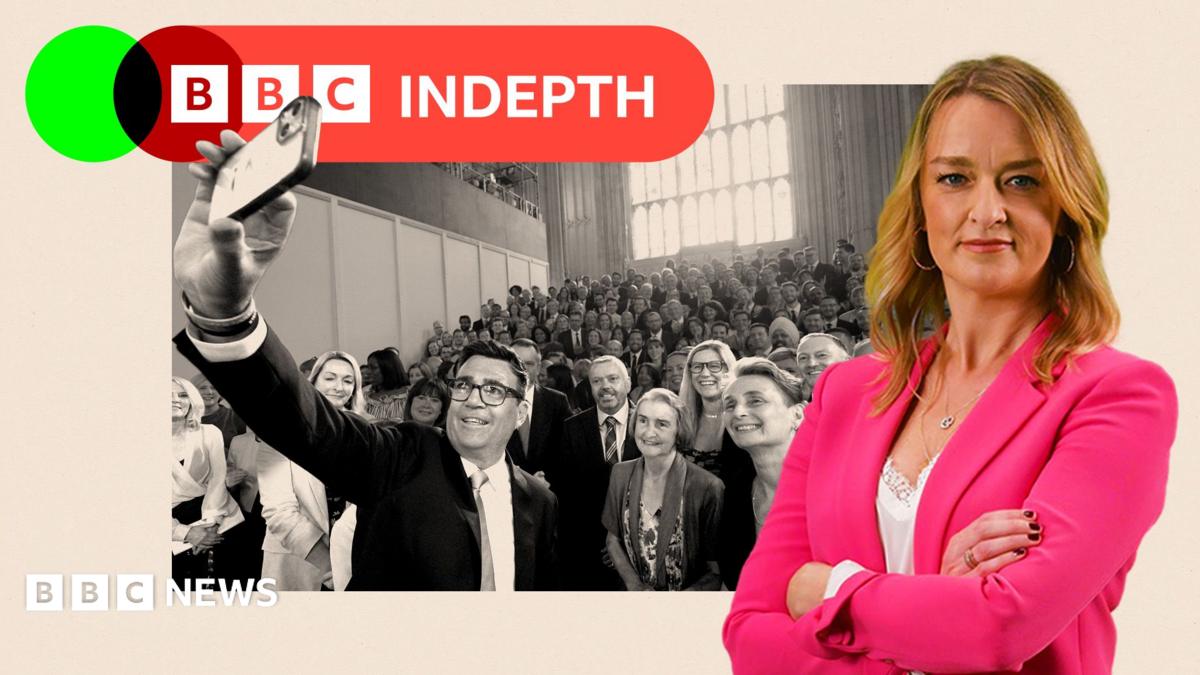
Andy Burnham, the Mayor of Greater Manchester, has increasingly emerged as a focal point for speculation regarding the future leadership of the Labour Party. While Prime Minister Keir Starmer currently holds the party leadership following the 2024 General Election, internal discussions among party figures have highlighted Burnham’s distinct political profile and regional influence as a potential alternative for the long-term direction of the movement.
According to reports from political observers, the conversation surrounding Burnham often centers on his ability to connect with “Red Wall” voters—a demographic that proved decisive in recent electoral cycles. Supporters within the party suggest his tenure as mayor has provided him with a platform to implement policy experiments that contrast with Westminster-centric approaches. Conversely, critics and cautious observers note that his path to a potential leadership bid remains obstructed by party rules and the current stability of the Prime Minister’s administration, as confirmed by the Labour Party’s official governance structures.
The Manchester Model as a Political Blueprint
Burnham’s political identity is inextricably linked to his role as the Mayor of Greater Manchester, a position he has held since 2017. His administration has focused heavily on the devolution of powers from central government, particularly regarding public transport integration and housing policy. By prioritizing regional autonomy, Burnham has cultivated an image as a pragmatic problem-solver, a reputation that party insiders suggest could be a valuable asset on a national scale.
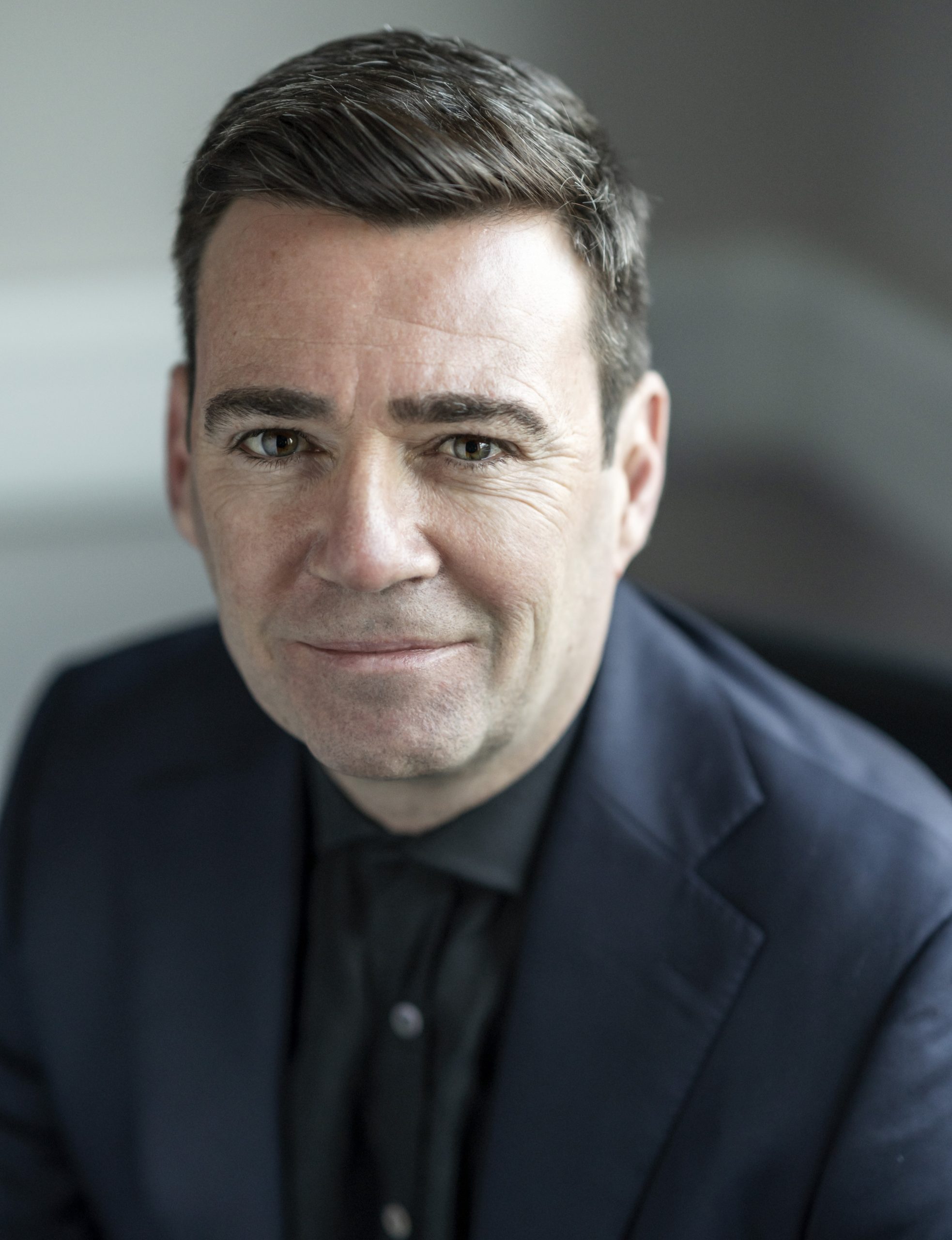
The “Greater Manchester model” involves complex negotiations with the UK Treasury over fiscal powers and infrastructure funding. As noted in the Trailblazer Devolution Deal signed in 2023, the government granted the region greater control over local budgets, a move that supporters cite as evidence of Burnham’s efficacy in dealing with Conservative-led administrations. This ability to secure concessions while maintaining a distinct political brand is frequently cited by his proponents as the primary reason he is viewed as a “saviour” figure for a party seeking to broaden its appeal beyond its traditional metropolitan heartlands.
Internal Party Dynamics and Leadership Speculation
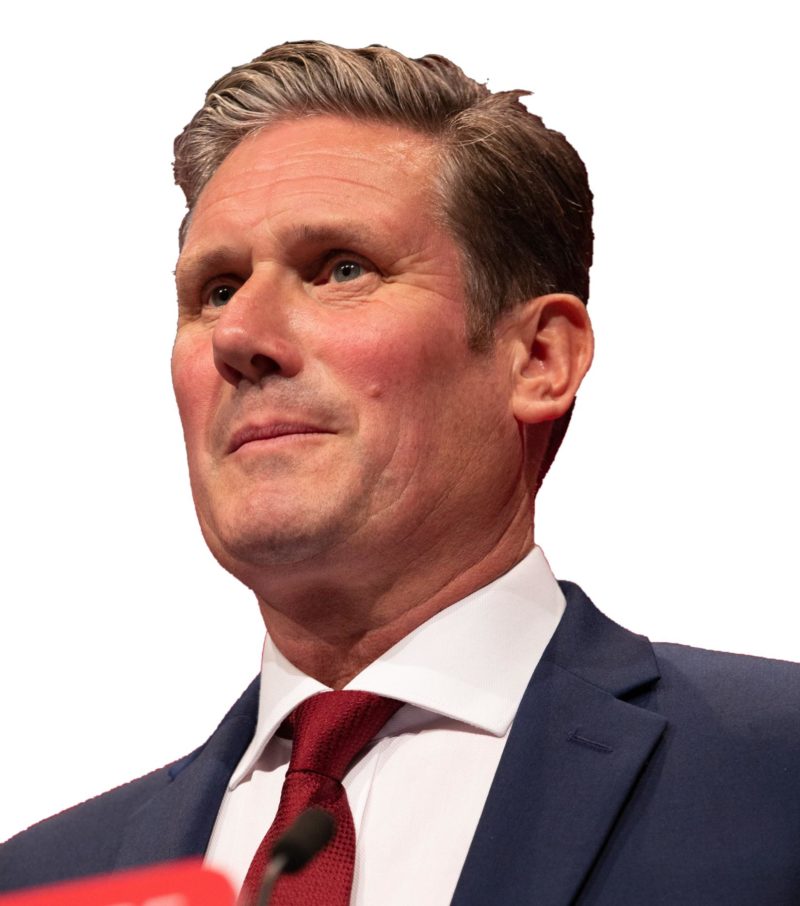
Speculation regarding a leadership transition often surfaces during periods of low polling or legislative friction. However, current party architecture provides few immediate avenues for a change in leadership. Keir Starmer secured a significant majority in the July 2024 General Election, according to data from the Electoral Commission, granting his administration a clear mandate for the current parliamentary term.
For Burnham to transition from local government to national leadership, several hurdles would need to be cleared. First, he would require a seat in the House of Commons, having previously stepped down as the MP for Leigh in 2017. Second, he would need to navigate the party’s internal selection processes, which are designed to prioritize incumbents and established parliamentary figures. Labour insiders acknowledge that while Burnham possesses high name recognition and public approval, the practicalities of a return to Westminster are significant.
Comparing Perspectives: Saviour or Regional Specialist?
The debate over Burnham’s suitability typically falls into two camps. Those who view him as a potential “saviour” emphasize his rhetorical style, which is often described as more populist and emotionally resonant than the technocratic approach associated with the current party leadership. His supporters point to his successful re-elections as evidence of a durable coalition of voters that the national party has struggled to replicate consistently.
In contrast, skeptics argue that the challenges of managing a national economy and navigating complex foreign policy crises are distinct from the responsibilities of a regional mayor. Some observers suggest that Burnham’s brand is so deeply rooted in the identity of the North of England that it might struggle to translate into the diverse electoral requirements of London, the South East, and the devolved nations. This tension between regional strength and national breadth remains the central point of contention in analyses of his political future.
The next major checkpoint for the Labour Party’s internal direction will be the upcoming Autumn Party Conference, where policy priorities and leadership strategy will be debated by members and delegates. As the government continues its legislative program, the focus will remain on whether the current administration can deliver on its manifesto commitments, thereby rendering the question of potential successors moot for the foreseeable future.
We invite our readers to share their perspectives on the future of the Labour Party’s leadership in the comments section below. Stay tuned for further updates on parliamentary developments as the legislative session progresses.
Related reading