Extremely high fire danger is forecast for parts of New Mexico this weekend, with weather conditions creating a significant risk for rapid wildfire growth. The National Weather Service (NWS) has issued red flag warnings and fire weather watches for large portions of the state, citing a combination of low humidity, high temperatures, and gusty winds that can cause existing or new fires to spread uncontrollably.
According to the National Weather Service office in Albuquerque, the fire weather threat is driven by a dry, unstable air mass moving across the region. Residents are urged to avoid any activities that could produce sparks, as the current environmental conditions are highly conducive to ignition. These alerts are critical for land management agencies and emergency responders who are already monitoring active fire incidents across the American Southwest.
Understanding the Current Fire Weather Risk
The elevated danger across New Mexico is part of a broader, volatile fire season impacting the Intermountain West. When the NWS issues a red flag warning, it indicates that “warm temperatures, very low humidities, and stronger winds are expected to combine to produce an increased risk of fire danger,” as detailed in their official wildfire safety guidelines. For New Mexico, the risk is compounded by ongoing drought conditions that have left vegetation abnormally dry.
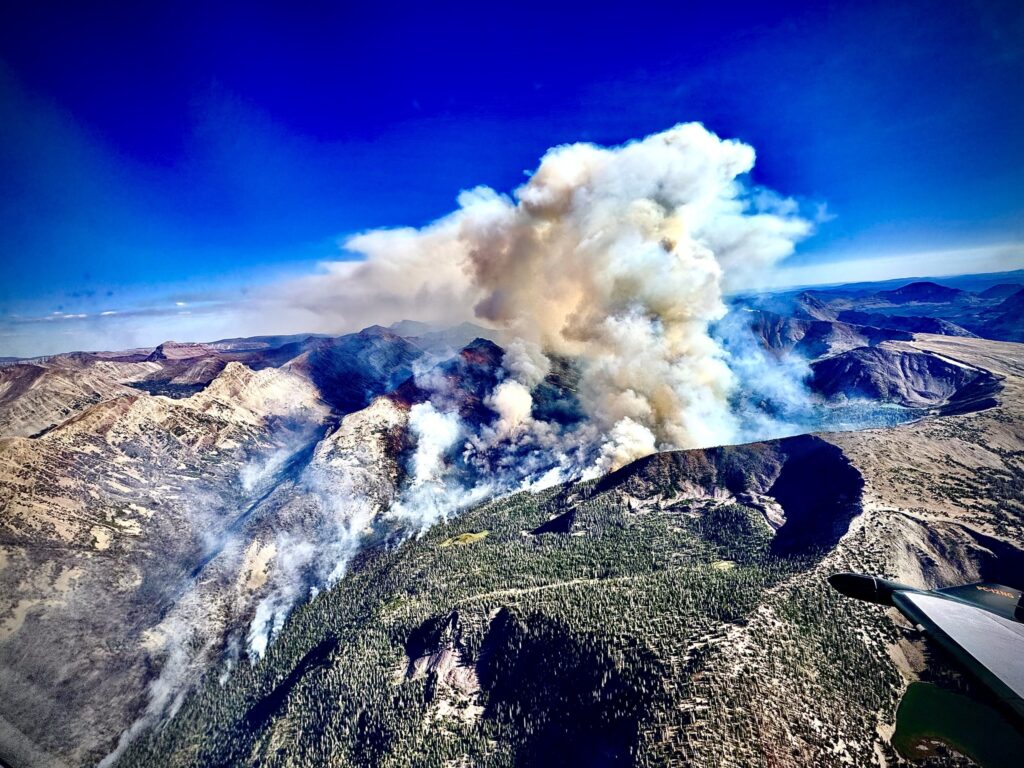
Beyond the immediate New Mexico forecast, fire crews in neighboring Utah are currently battling the Cottonwood Fire. As of the latest updates from the Utah Fire Info portal, the blaze is located east of Beaver and has prompted significant resource deployment. The fire continues to pose a challenge to containment efforts due to rugged terrain and shifting wind patterns, which mirror the hazardous conditions currently developing in the Four Corners region.
Impact on Regional Emergency Preparedness
State agencies across the Southwest are coordinating to manage the heightened threat level. In New Mexico, the Energy, Minerals and Natural Resources Department (EMNRD) typically implements fire restrictions on state-managed lands during periods of extreme danger. Officials emphasize that the public must adhere to these official fire prevention mandates to prevent human-caused ignitions, which remain the leading source of wildfire starts during dry spells.
The intensity of current fire behavior is often measured by the rate of spread and the inability of initial attack crews to achieve containment. In the case of the Cottonwood Fire in Utah, the lack of containment highlights the difficulty of suppressing fires under high-pressure weather systems. These systems often bring the “critical fire weather” mentioned in NWS bulletins, characterized by persistent, drying winds that strip moisture from fuels.
Safety Guidance and Official Updates
For those living in or traveling through high-risk areas, staying informed through official channels is the primary method for ensuring safety. The InciWeb incident information system serves as the central clearinghouse for data on large, complex wildfires across the United States. Residents are encouraged to monitor this site for real-time updates regarding evacuation orders, road closures, and containment percentages.
Preparation steps recommended by emergency management authorities include:
- Creating a “go-bag” with essential documents, medication, and supplies.
- Signing up for local emergency alert notifications through county sheriff or emergency management websites.
- Clearing defensible space around homes by removing dry brush and flammable debris.
- Abiding by all local burn bans and restrictions on off-road vehicle use during high-wind events.
The next major update regarding fire weather conditions for New Mexico will be issued by the National Weather Service as the weekend progresses. For ongoing developments regarding the Cottonwood Fire and other regional incidents, readers should continue to monitor the Utah Fire Info updates and official social media feeds from local fire districts. Please feel free to share this information with your local community to help ensure widespread awareness of these current hazards.
Related reading