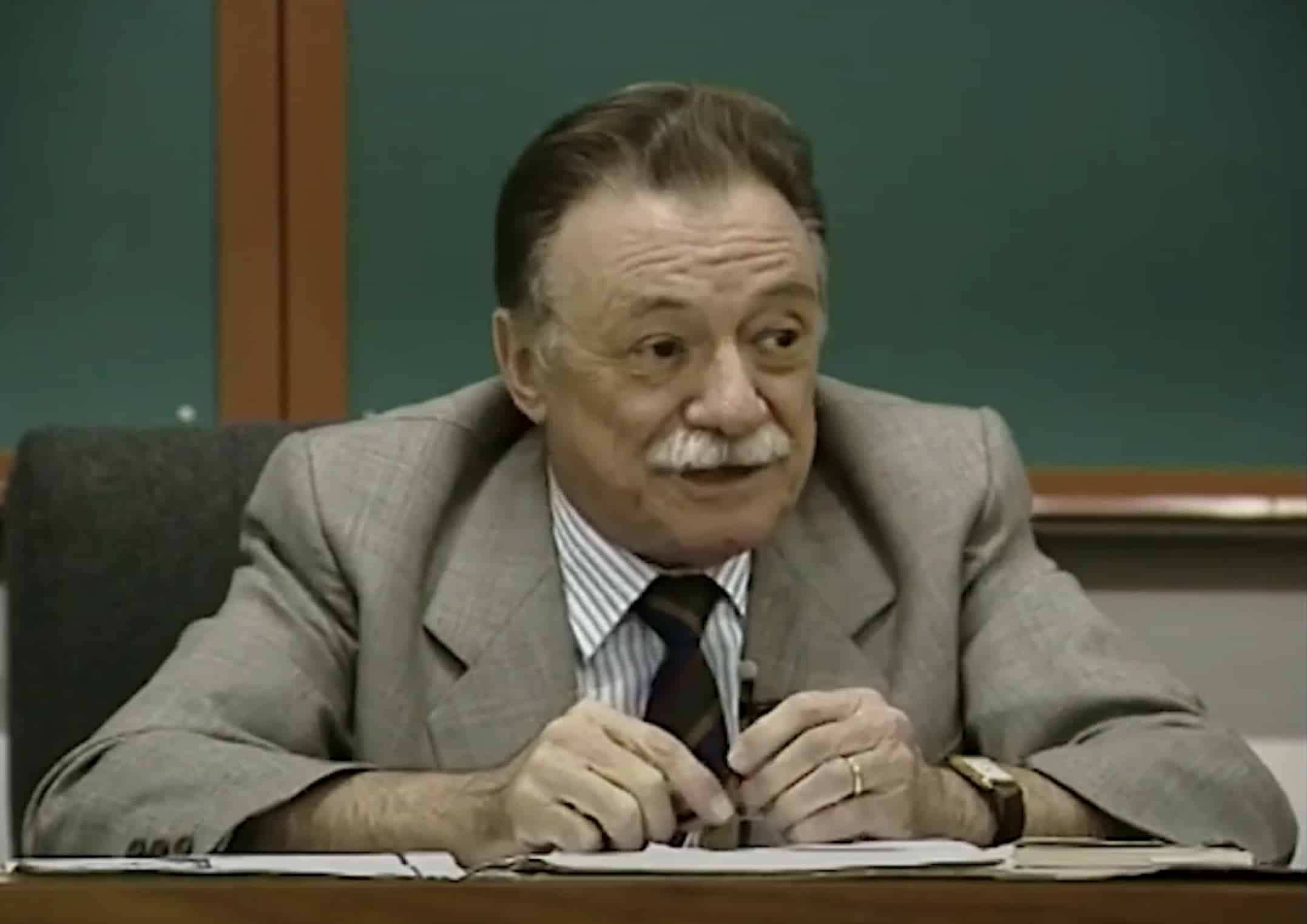
Mario Benedetti, the acclaimed Uruguayan novelist and poet, famously described a specific literary contemporary as possessing the unique ability to achieve the “coupling of a noun and an adjective that had never been approached before.” This high praise was directed at the Argentine poet Oliverio Girondo, a central figure in the vanguardist movements of the early 20th century whose linguistic experimentation continues to influence modern Spanish-language literature.
For readers looking to understand the mechanics of language and the evolution of poetry, Girondo’s work stands as a cornerstone. His career, defined by a departure from traditional lyrical structures, remains a primary reference point for critics and writers who examine how words can be reshaped to capture the complexities of urban life and modern consciousness.
The Linguistic Innovation of Oliverio Girondo
Oliverio Girondo, born in Buenos Aires in 1891, gained prominence for his ability to synthesize everyday language with surrealist imagery. According to the biography maintained by the Biblioteca Virtual Miguel de Cervantes, his literary trajectory was marked by a constant search for the “new,” a pursuit that led him to challenge the traditional boundaries of syntax and semantic association.
Benedetti’s assessment of Girondo’s adjective usage highlights a specific technical mastery that allowed the poet to create fresh sensory experiences for the reader. By pairing unexpected descriptors with common nouns, Girondo forced his audience to confront the limitations of language. This technique was not merely aesthetic; it was an attempt to mirror the frantic, disjointed pace of 20th-century life in Argentina and beyond.
Key Works and Literary Legacy
Girondo’s influence is perhaps most visible in his seminal collections, such as Veinte poemas para ser leídos en el tranvía (1922) and En la masmédula (1954). The former captured the visual and auditory landscape of a changing city, while the latter pushed the limits of the Spanish language through phonetic play and the creation of neologisms, according to archives from the Poeticous literary database.
These works serve as essential reading for anyone interested in the transition from modernism to the avant-garde. Girondo did not just write poems; he constructed linguistic environments. His commitment to the “new” ensured that his work remained distinct from the more conventional romanticism of his time, cementing his status as a pioneer of experimental poetry in the Spanish language.
Recommendations for Further Exploration
For those seeking to delve into the literature that shaped the mid-20th-century intellectual landscape, the recommendations often associated with the circle of writers surrounding Benedetti and his peers include a focus on works that prioritize the “poetic image.” This involves reading authors who, like Girondo, treated language as a plastic material rather than a static medium.
Beyond Girondo, critics often point to the following areas for those interested in the evolution of Hispanic poetry:
- The transition from traditional verse to free verse in the early 1900s.
- The influence of international surrealism on Latin American writers.
- The role of the “urban poem” in capturing the identity of major metropolitan centers like Buenos Aires and Montevideo.
As noted by academic resources at the Encyclopaedia Britannica, Girondo’s final years were characterized by a deep, introspective focus that moved away from the external observations of his youth toward a more internal, existential exploration of the self and the void.
The Continuing Relevance of Avant-Garde Poetry
The debate over what constitutes “new” or “innovative” writing continues to be framed by the standards set by figures like Girondo. His ability to synthesize the mundane with the extraordinary remains a benchmark for poets today. As readers continue to rediscover his collections, the focus remains on the precision of his craft—the way he demanded that the reader engage actively with the text rather than passively consuming it.
For those interested in current literary discussions or upcoming exhibitions regarding the history of the avant-garde in Latin America, official updates are regularly provided by the Argentine Ministry of Culture. These resources provide context for how Girondo’s work is preserved and taught in contemporary educational frameworks.
If you have a favorite collection of avant-garde poetry or thoughts on how Girondo’s linguistic style has influenced modern writers, feel free to share your perspective in the comments below.
Worth a look