
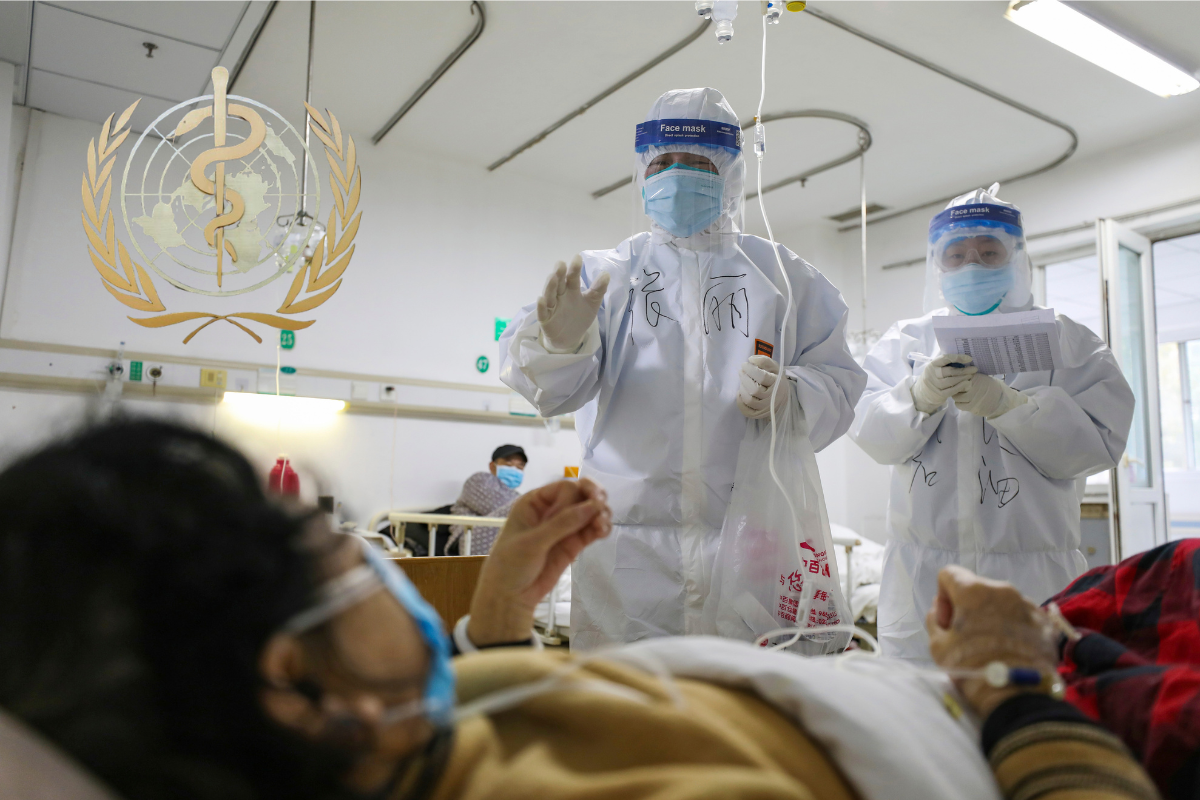
For years, the world has relied on official tallies to understand the human cost of the pandemic. However, a stark discrepancy has emerged between the deaths officially recorded and the actual number of lives lost. Data from the World Health Organization (WHO) indicates that COVID-19 excess deaths—the number of deaths above what would be expected in a non-crisis period—are nearly triple the officially reported figures.
As a physician and journalist, I have seen how data gaps can obscure the true scale of a public health crisis. When we look at the official reports, we are seeing a curated snapshot; when we look at excess mortality, we are seeing the full, devastating picture of a global health system under unprecedented strain. This gap does not merely represent a failure of bookkeeping, but a systemic failure in testing, certification, and healthcare access during the height of the pandemic.
The WHO’s analysis of global excess deaths associated with COVID-19 provides a more objective measure of the pandemic’s impact. By comparing the total number of deaths during the pandemic to the average number of deaths in the years prior, researchers can estimate the “true” toll, capturing those who died without a positive test or those whose deaths were attributed to other causes but were driven by the pandemic.
The Gap Between Reported and Actual Mortality
The difference between reported deaths and excess mortality is significant. According to WHO modeled estimates for the period between January 1, 2020, and December 31, 2021, the global death toll was nearly three times higher than the official counts provided by member states. While official reports often rely on confirmed laboratory tests, excess mortality accounts for the broader reality of the crisis.
Several critical factors contributed to this massive underreporting. First, in many regions, testing capacity was severely limited. Many individuals died at home or in overwhelmed clinics without ever receiving a diagnostic test, meaning their deaths were never officially categorized as COVID-19. Second, variations in death certification rules across different countries created inconsistencies; in some jurisdictions, a death was only recorded as COVID-19 if the virus was the primary cause, ignoring cases where the virus exacerbated existing comorbidities.
the pandemic created a secondary wave of mortality. The collapse or overwhelming of health systems led to “indirect” deaths—patients who avoided seeking care for heart attacks or strokes due to fear of infection, or those who could not access routine life-saving treatments because hospitals were at capacity. Excess mortality captures these losses, whereas official COVID-19 tallies do not.
Defining Excess Mortality in a Global Context
To understand why this metric is the gold standard for epidemiologists, it is essential to define what “excess mortality” actually means. The WHO defines excess mortality as “the mortality above what would be expected based on the non-crisis mortality rate in the population of interest.”

This approach removes the reliance on the accuracy of individual death certificates. Instead of asking “How many people died of COVID-19?”, it asks “How many more people died than usual during this period?” This distinction is vital for several reasons:
- Overcoming Testing Gaps: It includes deaths that occurred in the absence of a formal diagnosis.
- Addressing Certification Bias: It bypasses the discrepancies in how different countries record comorbidities.
- Measuring Systemic Failure: It highlights the deaths caused by the indirect effects of the pandemic, such as the disruption of essential health services.
By utilizing modeled estimates, the WHO can provide a more comparable measure across all Member States, regardless of the strength of their national health reporting systems.
The Human and Policy Implications of Underreporting
The revelation that the pandemic’s toll was far higher than initially believed has profound implications for global health policy. When the true burden of disease is underestimated, the response is often insufficient. Underreporting can lead to a misplaced sense of security, a reduction in funding for pandemic preparedness, and a failure to provide adequate support to the most affected communities.
The impact was not distributed evenly. Lower-income nations, with fewer resources for testing and weaker vital statistics systems, saw the largest gaps between reported and excess deaths. This disparity underscores a critical need for investment in global health infrastructure. Without reliable, real-time data, the world remains blind to the emerging threats and the true scale of existing ones.
For healthcare providers and policymakers, this data serves as a reminder that the “official” number is often a floor, not a ceiling. Understanding the full scope of COVID-19 excess deaths allows us to better allocate resources for long-term recovery, support grieving families who may never have received an official cause of death, and refine our strategies for future outbreaks.
Key Takeaways: Understanding Pandemic Mortality
| Metric | What it Measures | Primary Limitation |
|---|---|---|
| Reported Deaths | Confirmed COVID-19 deaths via lab tests/certification. | Underestimates due to lack of testing and certification gaps. |
| Excess Mortality | Total deaths above the expected baseline. | Requires complex modeling to estimate the “baseline.” |
| Indirect Deaths | Deaths caused by healthcare disruption or avoidance. | Difficult to isolate from the primary cause of death. |
What Happens Next?
The focus of the global health community is now shifting toward strengthening “vital statistics” systems. The goal is to ensure that every death is recorded and categorized accurately in real-time, reducing the reliance on retrospective modeling. The WHO continues to work with Member States to improve the quality of health data, recognizing that transparency is the first line of defense against future pandemics.
As we move forward, the priority must be the integration of better surveillance tools and the standardization of death certification globally. Only by closing the gap between reported and actual mortality can we truly learn from the pandemic and build a more resilient global health architecture.
The next major milestone in this effort will be the continued updates to the WHO’s mortality datasets and the implementation of the proposed international pandemic treaty, which aims to standardize data sharing and transparency during health emergencies.
Do you believe your local health authorities provided an accurate picture of the pandemic’s impact? We welcome your thoughts and experiences in the comments below. Please share this article to help others understand the true scale of global health challenges.