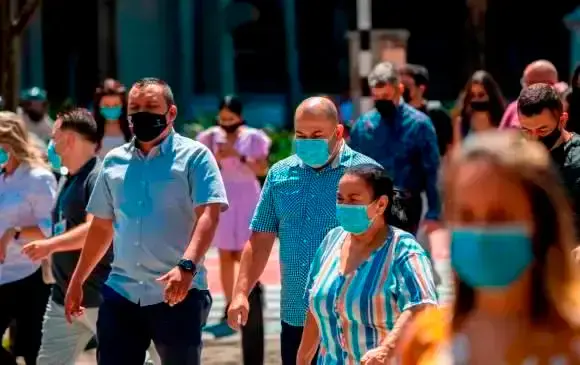
As the global community navigates an increasingly interconnected landscape, the conversation surrounding future health crises has shifted from theoretical modeling to an urgent call for systemic preparedness. Public health experts have consistently emphasized that while the world has made strides in medical innovation, the structural readiness for a significant pandemic remains a precarious issue. From the ongoing monitoring of zoonotic diseases like Ebola and hantavirus to the broader challenges of global health funding, the risk of a severe, widespread outbreak remains a persistent reality that demands sustained, high-level attention.
The core challenge, according to perspectives shared by international health authorities, is that the perception of risk often fails to align with the actual vulnerability of global systems. Despite the lessons learned from recent health emergencies, there is a growing concern that the momentum for strengthening health infrastructure is decelerating. Addressing these threats requires more than just reactive measures; it necessitates a proactive, globally coordinated approach to surveillance, resource allocation, and policy enforcement.
The Persistence of Zoonotic Threats
Zoonotic diseases—pathogens that jump from animals to humans—continue to represent a significant portion of emerging infectious disease threats. Diseases such as Ebola and hantavirus are subject to constant surveillance by global health organizations. The complexity of these pathogens lies in their ability to emerge in diverse environments, often where human, animal, and environmental factors intersect. According to the World Health Organization (WHO), Ebola virus disease is a severe, often fatal illness in humans, with outbreaks occurring intermittently, primarily in remote villages in Central and West Africa. The management of such diseases relies heavily on rapid detection, contact tracing, and the availability of effective vaccines and therapeutics.
Similarly, hantaviruses are transmitted to humans through contact with the urine, feces, or saliva of infected rodents. While outbreaks are often localized, the potential for these viruses to cause severe respiratory or renal illness underscores the necessity for robust public health reporting and environmental management strategies. The Centers for Disease Control and Prevention (CDC) notes that avoiding contact with rodent droppings and nesting materials is the primary method of prevention, highlighting how individual behaviors and public health education remain the first line of defense against these persistent threats.
Global Preparedness and Investment Trends
A critical component of pandemic readiness is the consistent funding of public health systems. Recent analyses have pointed to a concerning trend: the alignment of global health funding with the rising risk of infectious disease outbreaks is not guaranteed. When investment in health infrastructure wanes, the ability of nations to mount an effective, early response to a novel pathogen is significantly compromised. The World Health Organization has repeatedly highlighted the necessity of sustainable financing for pandemic prevention, preparedness, and response (PPPR) mechanisms. This involves not only funding for research and development but also the strengthening of national healthcare workforces and the creation of resilient supply chains for essential medical goods.
The gap between the current state of readiness and what is required to manage a global health emergency is often framed as a matter of policy priority. Experts suggest that the “prevention paradox”—where the success of preventive measures makes the threat seem less urgent—can lead to complacency. However, the integration of genomic surveillance, international data sharing, and equitable access to medical countermeasures remains essential for mitigating the impact of future pandemics.
Strengthening Our Collective Defense
Building a more secure global health future requires a multi-faceted approach. This includes fostering international cooperation, ensuring the transparency of data reporting, and investing in the “One Health” approach, which recognizes the interconnectedness of human, animal, and environmental health. As we look toward the remainder of 2026, the focus for many health organizations remains on closing the gaps in surveillance and ensuring that the lessons of the past are translated into tangible, long-term policy changes.
For the public, staying informed through official channels and supporting local health initiatives remains vital. Preparedness is not merely a task for governments; it is a collective responsibility that begins with understanding the risks and supporting the systems designed to manage them. As the situation evolves, the global health community continues to monitor emerging trends, with updates provided by organizations such as the World Health Organization and national health ministries worldwide.
We invite our readers to stay engaged with these critical developments. As we continue to track the progress of global health policies and research, your perspectives and questions are highly valued. Please feel free to share your thoughts in the comments section below as we monitor the next round of international health summits and policy updates scheduled throughout the year.
Worth a look