
Few films from the early 1990s have maintained as consistent a grip on global audiences as Sister Act. What began as a high-concept musical crime comedy has evolved into a lasting cultural touchstone, blending faith, music, and the undeniable comedic timing of Whoopi Goldberg. For over three decades, the story of a lounge singer finding her voice—and her purpose—within the walls of a convent has resonated across borders, from the United States to Europe.
The enduring appeal of the Sister Act franchise legacy lies in its universal themes of community and transformation. By taking the rigid structure of a convent and infusing it with the energy of a soulful chorus, the film broke traditional cinematic molds. Today, as the franchise looks toward a potential third installment on Disney+, the legacy of the original cast and the poignant loss of key figures have brought the story full circle for fans worldwide.
Originally released on May 29, 1992, Sister Act was a significant commercial triumph Wikipedia. Produced on a budget of $31 million, the film grossed $231.6 million worldwide, establishing itself as one of the most financially successful comedies of its era Wikipedia. Beyond the numbers, it became a home video staple, ranking as the most rented film of 1993 in the United States.
The Anatomy of a Global Hit: From Reno to the Convent
The brilliance of the 1992 film, directed by Emile Ardolino and written by Paul Rudnick, was its juxtaposition of two wildly different worlds. Whoopi Goldberg stars as Deloris Wilson, a lounge singer in Reno, Nevada, who performs as Deloris Van Cartier in a club owned by her gangster boyfriend, Vince LaRocca Wikipedia. After witnessing a murder, Deloris is placed in a witness protection program, leading her to the last place she ever wanted to be: a convent.
The narrative tension is driven by the clash between Deloris’s rebellious nature and the strict discipline of Mother Superior, played by the legendary Maggie Smith IMDb. As Deloris begins to train the convent’s lackluster choir, she transforms them into a soulful chorus with a Motown-inspired repertoire, eventually drawing massive crowds and jeopardizing her hidden identity IMDb.
This transformation served as a powerful metaphor for the film’s broader message: that passion and art can bridge the gap between the sacred and the secular. The chemistry between Goldberg and Smith provided the emotional anchor of the film, creating a dynamic of mutual respect that grew from initial hostility.
Expanding the Universe: Sequels and Stage Adaptations
The success of the first film naturally led to the 1993 sequel, Sister Act 2: Back in the Habit. Whereas it received more critical scrutiny than its predecessor, it further cemented Deloris Wilson as a beloved character who used music to empower marginalized youth. The franchise’s reach extended even further in 2006 with the premiere of a musical adaptation, bringing the high-energy choir performances to the live stage Wikipedia.
For years, rumors of a third film persisted, with fans eager to see if Deloris would once again don the habit. The development of a third movie for Disney+ eventually moved from rumor to reality, with Whoopi Goldberg confirming that a script had been in development for some time Inside the Magic.
A Heartbreaking Turn for ‘Sister Act 3’
The path toward a third film has been marked by a profound loss. Maggie Smith, whose portrayal of Mother Superior was central to the franchise’s heart, passed away on September 27 at the age of 89 Inside the Magic. Her presence was not merely a supporting role; it was the necessary foil to Goldberg’s exuberance.
In a recent interview with Jimmy Fallon, Whoopi Goldberg shared a heartbreaking update regarding the production of the third film. Goldberg indicated that Maggie Smith had been planning to return to her role as Mother Superior, but her passing has necessitated a complete rewriting of the script Inside the Magic. The loss of Smith leaves a void that cannot be filled, forcing the creators to find a new narrative direction that honors her legacy while continuing the story of Deloris Wilson.
Key Franchise Milestones
| Milestone | Year | Key Detail |
|---|---|---|
| Original Film Release | 1992 | Grossed $231.6 million worldwide Wikipedia |
| First Sequel | 1993 | Sister Act 2: Back in the Habit |
| Musical Premiere | 2006 | Stage adaptation of the original story Wikipedia |
| Sister Act 3 Status | In Development | Currently being rewritten for Disney+ Inside the Magic |
Why the Legacy Endures
The Sister Act franchise legacy persists since it refuses to be just one thing. It’s a crime comedy, a musical, and a story of spiritual growth all at once. For global audiences, the film represents a rare moment of pure, optimistic cinema where conflict is resolved through harmony—literally and figuratively.
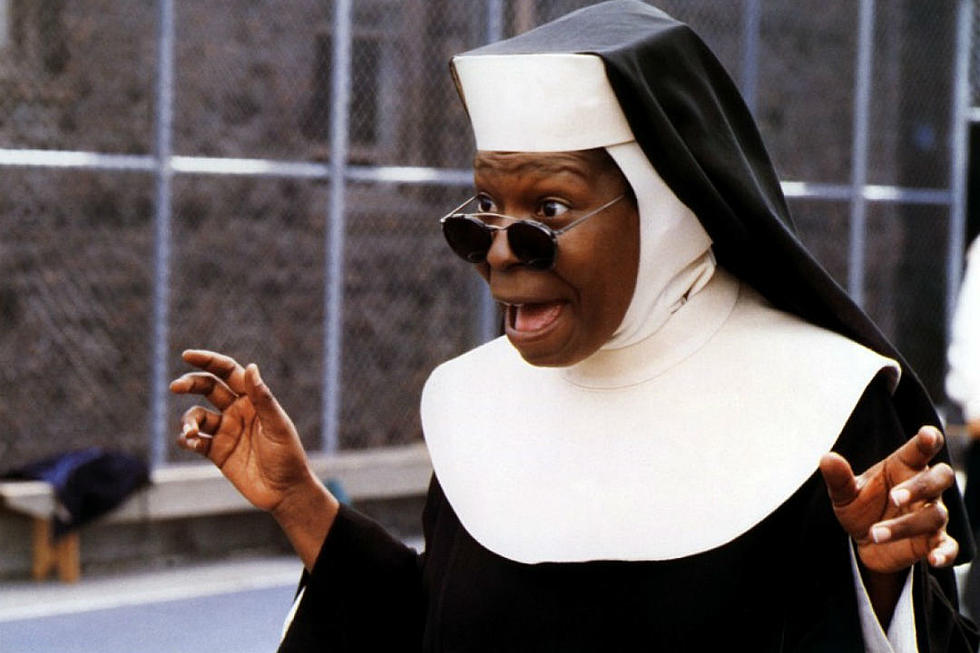
Whoopi Goldberg’s performance as Deloris Wilson remains a masterclass in comedic timing and charisma. Her ability to transition from a worldly lounge singer to a reluctant nun, and finally to a mentor for the choir, gave the film an emotional depth that surpassed the typical tropes of the genre. The inclusion of a Motown repertoire also ensured that the film’s energy remained timeless, appealing to multiple generations of listeners.
As the production team navigates the challenges of losing Maggie Smith, the focus shifts to how the story can evolve. The transition to a Disney+ platform suggests a modern approach to the franchise, potentially allowing for more character development and a deeper exploration of the world Deloris has inhabited for over thirty years.
The next confirmed checkpoint for the franchise is the ongoing rewriting of the Sister Act 3 script to accommodate the loss of Maggie Smith, as the production seeks a way to move forward with the Disney+ project Inside the Magic.
Do you have a favorite moment from the Sister Act films? How do you think the franchise should honor Maggie Smith’s legacy in the upcoming movie? Share your thoughts in the comments below.
- Сюрприз в открытом море: солистка «Лицея» Настя Макаревич сыграла свадьбу на лайнере Astoria Grande
- Alessandro Borghese, dedica da brividi alla moglie Wilma Oliviero: «Se rinasco, ti cercherò ancora». L’amore che dura da 17 anni – Leggo.it
- Tim Tszyu: From Nearly Quitting to Chasing a World Title Legacy (newsdirectory3.com)