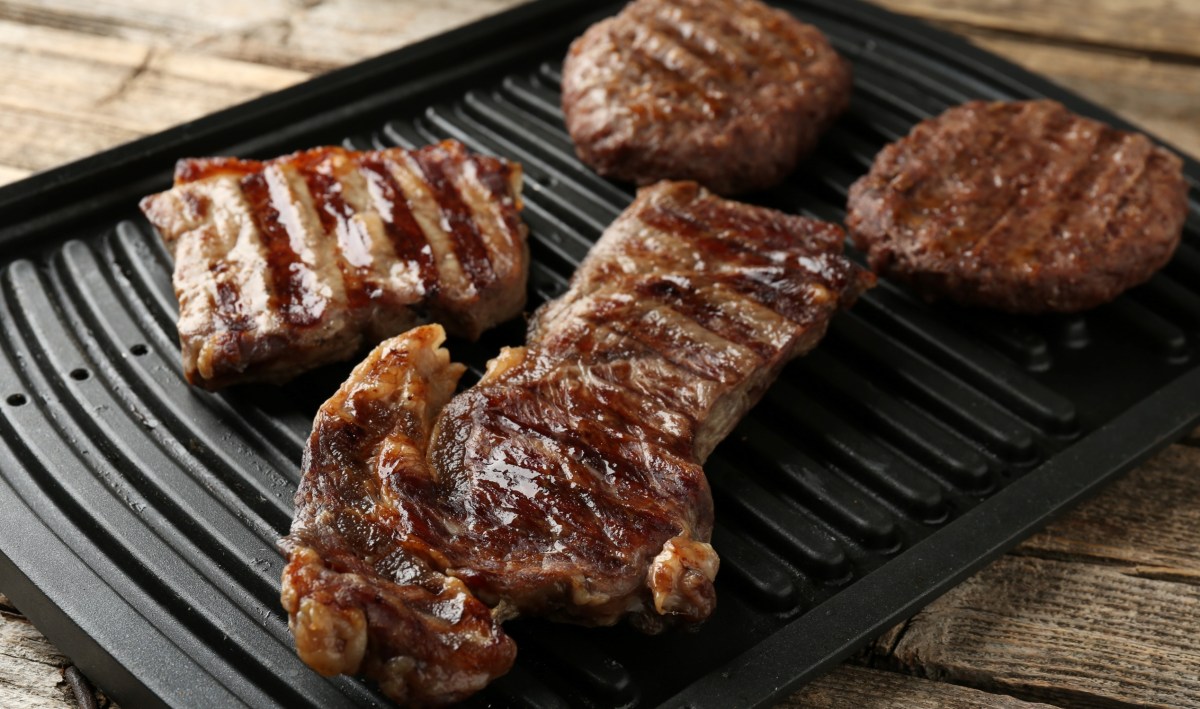
In recent months, a provocative narrative has been gaining momentum across social media and health forums: the idea that the modern human diet is fundamentally at odds with our biological blueprint. This sentiment is often encapsulated by viral stories of medical professionals who have undergone dramatic physical transformations—sometimes losing upwards of 30 kilograms (approximately 66 pounds)—by adhering strictly to a carnivore diet. These practitioners often lean on a singular, powerful evolutionary argument: that because the human genome has not undergone radical shifts in the last 100,000 years, our nutritional requirements should remain centered on animal proteins and fats.
As an editor with a background in internal medicine, I have observed a growing tension between traditional dietary guidelines and these emerging, often extreme, nutritional movements. The carnivore diet—a regimen consisting almost exclusively of meat, fish and animal products, while eliminating all plant-based foods—challenges the very foundations of public health advice. While the anecdotal evidence of rapid weight loss is compelling, the scientific community remains deeply divided on whether this approach is a metabolic breakthrough or a long-term nutritional risk.
To understand this phenomenon, we must look past the headlines and examine the intersection of evolutionary biology, metabolic physiology, and clinical nutrition. We need to ask whether the “evolutionary mismatch” theory holds weight, how the body reacts to the total absence of carbohydrates, and what the long-term implications are for the human microbiome and cardiovascular health.
The Evolutionary Argument: A Biological Mismatch?
The core claim driving much of the carnivore movement is rooted in the concept of evolutionary mismatch. Proponents argue that for the vast majority of human history, our ancestors relied heavily on nutrient-dense animal fats and proteins. The argument suggests that the sudden introduction of highly processed carbohydrates, seed oils, and massive quantities of plant-based sugars in the last century has created a metabolic crisis. The assertion that we “haven’t changed genetically in 100,000 years” is used to suggest that our bodies are optimized for a diet that modern industrialized societies have largely abandoned.
However, from a strictly biological standpoint, this claim requires nuance. While it is true that the major metabolic pathways of Homo sapiens are ancient, human evolution has not been static. For instance, the development of lactase persistence—the ability to digest milk into adulthood—is a relatively recent evolutionary adaptation that occurred in certain populations within the last 7,500 to 10,000 years. Our ancestors were likely opportunistic omnivores rather than strict carnivores, consuming a wide variety of seasonal plants, tubers, and fruits depending on their environment.
The “mismatch” theory is not without merit, however. Most evolutionary biologists agree that the rapid transition from whole foods to ultra-processed foods has outpaced our biological ability to adapt. This “mismatch” is a primary suspect in the global rise of metabolic syndrome, type 2 diabetes, and obesity. The carnivore diet, is seen by its advocates as a way to “reset” the system by removing the primary drivers of modern inflammation: refined sugars and processed grains.
The Physiology of Rapid Weight Loss: Satiety and Insulin
When a person transitions to a carnivore diet, the rapid weight loss reported—such as the 30-kilogram loss mentioned in recent viral reports—is driven by several distinct physiological mechanisms. The most immediate factor is the shift in macronutrient ratios, which fundamentally alters how the body manages energy.
1. The Insulin Response and Glycogen Depletion
By eliminating carbohydrates, the body significantly reduces its production of insulin, the primary hormone responsible for fat storage. As insulin levels drop, the body begins to burn through its stored glycogen (the form in which glucose is stored in the liver and muscles). Because glycogen is bound to water, this initial phase often results in a significant loss of “water weight,” which can account for several kilograms in the first week of the diet.
2. Ketosis and Fat Oxidation
Once glycogen stores are depleted, the body enters a metabolic state known as ketosis. In this state, the liver converts fatty acids into ketone bodies, which serve as an alternative energy source for the brain and muscles. This shift from glucose-based metabolism to fat-based metabolism is highly efficient for fat oxidation, which is a key driver of sustained weight loss.
3. The Satiety Effect of Protein
One of the most significant hurdles in weight management is hunger. The carnivore diet addresses this through the high satiety index of protein. Protein consumption triggers the release of hormones like peptide YY (PYY) and cholecystokinin (CCK), which signal fullness to the brain, while simultaneously suppressing ghrelin, the “hunger hormone.” This makes it much easier for individuals to maintain a caloric deficit without the psychological struggle of intense hunger.
Clinical Considerations: Potential Risks and Nutritional Gaps
While the metabolic benefits of ketosis and high protein intake are well-documented, the medical community raises significant concerns regarding the long-term sustainability and safety of a zero-carb, meat-only approach. As a physician, I believe it is vital to weigh the short-term “wins” against potential long-term physiological costs.
Micronutrient Deficiencies
The most immediate concern is the absence of plant-based micronutrients. While organ meats (such as liver) are incredibly nutrient-dense, a diet limited to muscle meat may lack sufficient levels of Vitamin C, Vitamin E, and certain phytonutrients. While some proponents argue that the requirement for Vitamin C decreases when carbohydrate intake is zero, this remains a point of significant debate in nutritional science and lacks large-scale clinical validation.
The Microbiome and Dietary Fiber
Perhaps the most contentious area of research involves the gut microbiome. Dietary fiber, found exclusively in plants, is the primary fuel for beneficial gut bacteria. These bacteria produce short-chain fatty acids (SCFAs) like butyrate, which are essential for maintaining the integrity of the intestinal barrier and reducing systemic inflammation. There is a legitimate concern that a long-term carnivore diet could lead to a reduction in microbial diversity, potentially impacting immune function and metabolic health in ways we do not yet fully understand.
Cardiovascular Health and Lipid Profiles
The impact of high saturated fat intake on cardiovascular health is a cornerstone of traditional nutrition. Many individuals on a carnivore diet experience a significant rise in Low-Density Lipoprotein (LDL) cholesterol. While some advocates argue that “lean mass hyper-responders” (individuals with high LDL but high HDL and low triglycerides) are not at increased risk, mainstream cardiology remains cautious. The long-term relationship between elevated LDL and atherosclerotic cardiovascular disease in the context of a ketogenic, meat-heavy diet requires more longitudinal study.
Comparative Overview: Carnivore vs. Standard Western Diet
| Feature | Standard Western Diet | Carnivore Diet |
|---|---|---|
| Primary Fuel Source | Glucose (Carbohydrates) | Ketones (Fats/Proteins) |
| Insulin Levels | Frequently elevated (spikes) | Consistently low |
| Fiber Content | High (variable) | Zero |
| Weight Loss Speed | Slow/Variable | Rapid (initial phase) |
| Microbiome Impact | High diversity (if whole foods) | Potentially reduced diversity |
Key Takeaways for the Health-Conscious Reader
- Rapid Weight Loss is Real but Complex: The initial drop in weight is often due to glycogen and water loss, followed by fat oxidation via ketosis.
- Satiety is a Major Driver: High protein intake naturally suppresses hunger, making caloric restriction easier for some.
- The “Evolutionary Argument” is Nuanced: While modern processed foods are problematic, humans have evolved dietary adaptations (like lactase persistence) in relatively short biological windows.
- Nutritional Gaps Exist: Total elimination of plants carries risks regarding fiber, certain micronutrients, and gut microbiome diversity.
- Medical Supervision is Essential: Any extreme dietary shift, especially one impacting lipid profiles and kidney function, should be managed under clinical guidance.
Frequently Asked Questions
Is the carnivore diet safe for long-term use?
Currently, there is a lack of long-term (multi-decade) clinical studies on humans following a strict carnivore diet. While many report feeling excellent in the short term, the long-term effects on cardiovascular health and gut microbiome diversity remain unknown.

Will I become deficient in Vitamin C?
This is a subject of intense debate. Proponents suggest that without carbohydrates, the body’s requirement for Vitamin C decreases. However, most mainstream medical organizations maintain that Vitamin C is an essential nutrient that should be obtained through various food sources to prevent deficiency.
Does meat-only eating affect cholesterol?
Yes, many individuals see a significant increase in LDL cholesterol. Whether this increase is harmful depends on the individual’s overall metabolic health, including their triglyceride levels and HDL-to-LDL ratio.
Final Thoughts: Navigating the Nutritional Frontier
The rise of the carnivore diet is a symptom of a much larger issue: a global dissatisfaction with modern dietary standards and a growing desire for metabolic autonomy. While the anecdotal success stories of doctors and others losing massive amounts of weight are inspiring, they must be viewed through a lens of clinical caution. The “evolutionary mismatch” is a real biological phenomenon, but the solution may not be as binary as “meat vs. Plants.”
As we wait for more robust, longitudinal research to clarify the impacts of zero-carb living, the most prudent approach remains a focus on whole, unprocessed foods—whether they come from animal or plant sources. Before embarking on any extreme nutritional protocol, it is imperative to consult with a healthcare professional to monitor your blood markers and ensure your specific metabolic needs are being met.
We want to hear from you. Have you explored low-carb or carnivore-style eating? What were your experiences with energy levels and weight management? Share your thoughts in the comments below and share this article with your network to spark a conversation.
Next Update: We will continue to monitor upcoming peer-reviewed studies on the gut microbiome and long-term ketogenic diets. Stay tuned to World Today Journal for the latest in medical innovation and public health analysis.
Related reading
- How the Corona Pandemic Fueled the Fintech Boom: The Rise of Payment Giants like Adyen
- Cleveland Clinic Announces Main Campus Master Plan and Fairview Hospital Expansion
- White-Tailed Eagles Return to Exmoor National Park After 200 Years (news-usa.today)
- The Evolution of Luxury Dining in Las Vegas: From Early Feasts to Casino Buffets (archyde.com)