The 155 mph (250 km/h) speed limiter found on a vast majority of modern performance vehicles is not a result of mechanical impossibility or arbitrary engineering, but rather a voluntary “gentleman’s agreement” among major German automotive manufacturers. While many high-end cars are capable of exceeding this velocity, the industry standard serves as a self-imposed regulatory measure intended to promote road safety and mitigate the environmental and liability concerns associated with extreme high-speed travel.
According to reports from BMW and Mercedes-Benz, the decision to cap top speeds originated in the late 1980s and early 1990s. During this period, the German automotive industry faced mounting pressure from regulators and environmental groups regarding the safety of the Autobahn network. By establishing an informal consensus to limit production vehicles to 250 km/h, manufacturers aimed to preempt stricter government-mandated speed legislation, a move documented by industry analysts at Autocar.
The Origins of the 250 km/h Consensus
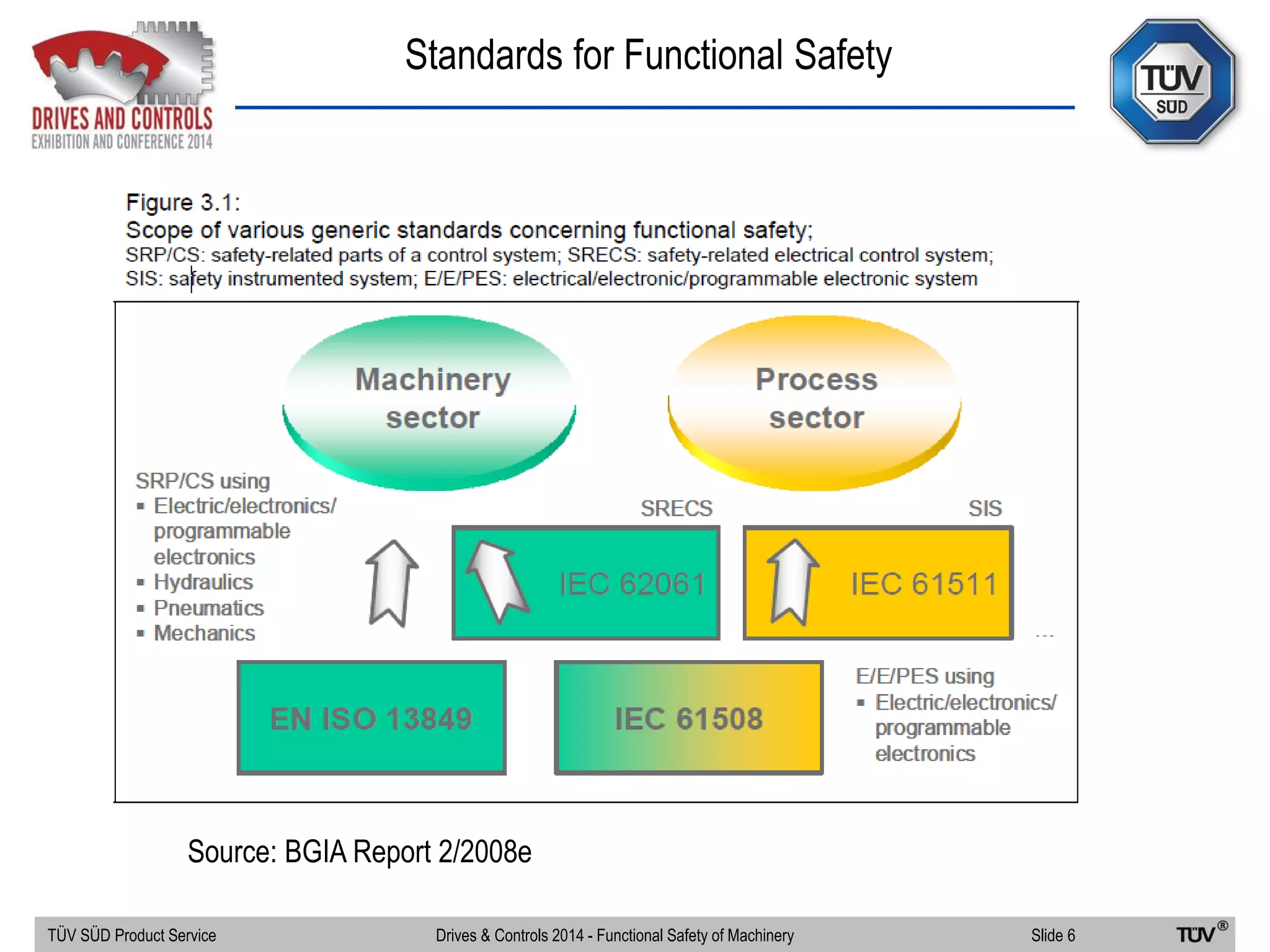
The 155 mph cap is fundamentally a product of the European market, specifically the German luxury sector. In the late 20th century, as engine technology allowed mass-produced sedans to easily surpass 150 mph, concerns regarding tire integrity and driver capability grew. The TÜV (Technischer Überwachungsverein), Germany’s technical inspection association, played a significant role in setting safety standards for high-speed operation. Limiting speed helped standardize components, particularly tires, which required specific speed ratings to handle the heat and stress of sustained high-velocity driving.

This agreement was never a formal law, but rather a strategic industry alignment. It allowed brands like Audi, BMW, and Mercedes-Benz to market their vehicles as performance-oriented while maintaining a responsible image in the eyes of regulators. The 250 km/h threshold became a “soft” ceiling, often referred to in the industry as the abgeregelt limit. While the limitation is electronically enforced via the engine control unit (ECU), many manufacturers offer “performance packages” that allow owners to raise this limit to 174 mph (280 km/h) or higher, provided the vehicle is equipped with upgraded braking and cooling systems.
Why Engineering Limits Remain Relevant
Beyond the regulatory agreement, there are significant technical hurdles to sustaining speeds above 155 mph. As noted by engineering experts at SAE International, aerodynamic drag increases with the square of velocity. This means that to increase a car’s top speed from 155 mph to 200 mph, the engine must produce significantly more power to overcome the exponential rise in wind resistance. This requires specialized cooling for the engine, transmission, and differential, as well as high-performance tires capable of withstanding the centrifugal forces at play.

Tire manufacturers, such as Michelin, categorize tires with specific speed ratings, such as ‘Y’ (up to 186 mph) or ‘(Y)’ (above 186 mph). Producing tires that can reliably operate at 155 mph for extended periods is vastly different from producing those required for 200+ mph. By keeping the standard limit at 155 mph, manufacturers ensure that their vehicles remain compatible with readily available, high-performance tires, reducing maintenance complexity for the consumer.
Impact on Modern Vehicle Design
The prevalence of this cap has shifted how consumers perceive performance. Today, “speed” is often measured not by terminal velocity, but by acceleration metrics like 0–60 mph times and lap times on technical circuits like the Nürburgring. According to data from Nürburgring officials, the ability to navigate corners effectively is now considered a more vital metric for performance vehicles than raw straight-line speed. This shift allows manufacturers to focus on chassis dynamics, torque vectoring, and hybrid powertrains rather than simply chasing a higher top-speed number.
While the 155 mph limit remains the industry norm, it is not universal. Exotic car manufacturers like Porsche, Ferrari, and Lamborghini frequently exceed this cap, as their vehicles are engineered from the ground up for track-focused performance. However, even these brands must adhere to rigorous safety testing standards set by the United Nations Economic Commission for Europe (UNECE) for tires and vehicle stability, ensuring that even at speeds exceeding 200 mph, the vehicle remains controllable under standard operating conditions.
Future Outlook for High-Speed Limits
As the automotive industry transitions toward electric vehicles (EVs), the conversation surrounding speed limiters is evolving. Electric motors provide instant torque, making high-speed acceleration easier to achieve than in internal combustion engines. However, high-speed operation is notoriously inefficient for battery range, as sustained high speeds rapidly deplete energy reserves. Consequently, some EV manufacturers are opting for lower top speeds to preserve battery health and range, according to technical specifications released by Tesla and other major EV producers.
The next major update regarding vehicle safety and speed regulation will likely come from the European Commission, which continues to evaluate Intelligent Speed Assistance (ISA) systems. These systems are designed to monitor local speed limits via GPS and camera data rather than focusing on a vehicle’s maximum capability. Readers interested in the latest developments regarding automotive safety standards can monitor official bulletins from the National Highway Traffic Safety Administration (NHTSA) for updates on federal mandates in the United States, or the European Commission’s transport safety portal for international standards.
For those interested in the ongoing discussions regarding vehicle performance and safety, official manufacturer statements and regulatory filings remain the most accurate sources of information. Feel free to share your thoughts or questions in the comments below as we continue to track how these industry standards influence the next generation of automotive engineering.
Worth a look