Qatar is preparing to lift force majeure declarations on its liquefied natural gas (LNG) exports as domestic production levels stabilize. According to reports from Bloomberg and statements from Qatari officials, the nation expects gas production to return to normal operations within several weeks, signaling a resolution to recent supply disruptions.
The move to end force majeure—a legal clause that excuses a company from fulfilling contractual obligations due to unforeseen circumstances—comes as maritime observations show a concentration of LNG tankers near Qatari waters. While some reports indicate empty tankers are accumulating off the coast, analysts suggest this reflects a readiness to meet rising export demand once production reaches full capacity.
Why is Qatar lifting force majeure on gas exports?
Qatar is moving toward the formal termination of force majeure status for its liquefied natural gas shipments, a development reported by Bloomberg. The declaration of force majeure had previously allowed Qatari energy entities to legally bypass certain delivery obligations to international buyers without incurring penalties. This mechanism is typically triggered by technical failures, maintenance issues, or geopolitical disruptions that make standard operations impossible.

The decision to lift these restrictions suggests that the underlying causes of the production volatility have been addressed. While specific technical details of the disruption have not been released in a public filing, the shift in policy indicates that QatarEnergy and associated stakeholders are confident in the stability of their extraction and liquefaction processes. Ending force majeure is a critical step for Qatar to honor long-term Sale and Purchase Agreements (SPAs) with major importers in Asia and Europe.
In the energy sector, the lifting of force majeure often serves as a leading indicator of market stability. For global buyers, it reduces the “risk premium” associated with Qatari supply, potentially leading to more predictable pricing in the spot market. The transition from a state of emergency to normal operations is expected to be completed in the coming weeks, according to the timeline provided by Qatari leadership.
How soon will Qatari gas production return to normal?
The Qatari Prime Minister has indicated that LNG production is on a trajectory to return to its standard levels within weeks. This official stance aims to reassure international markets and mitigate concerns regarding energy security, particularly for nations heavily reliant on Middle Eastern gas imports.
The normalization process involves several stages of the supply chain, including:
- Upstream Stability: Ensuring that gas extraction from reservoirs remains consistent.
- Liquefaction Capacity: Confirming that processing plants are operating at designed throughput levels.
- Logistical Readiness: Coordinating the movement of specialized LNG carriers to loading terminals.
The Prime Minister’s timeline suggests that the technical or operational hurdles that necessitated the force majeure declaration are nearing a conclusion. However, market participants continue to monitor official announcements from QatarEnergy for precise dates regarding the resumption of full-scale export schedules.
What is causing the accumulation of LNG tankers off the Qatari coast?
Recent maritime tracking has identified a significant number of LNG tankers positioned off the coast of Qatar. Some reports describe these vessels as “empty,” a term that in maritime logistics often refers to ships traveling “in ballast”—meaning they are carrying no cargo and are waiting for a specific loading window.
The accumulation of these vessels can be attributed to two primary factors:
- Anticipated Production Surge: As production normalizes, there is a synchronized effort to move vessels into position to capture the upcoming increase in available supply.
- Operational Bottlenecks: The “piling up” of tankers may indicate a temporary mismatch between the speed of maritime arrival and the speed of the liquefaction process. As Qatar prepares to ramp up exports, the logistical demand for loading slots at terminals increases, leading to vessels waiting in designated maritime zones.
This concentration of maritime traffic is particularly notable as four Qatari gas tankers have been observed heading toward the Strait of Hormuz. This movement occurs despite broader fluctuations in regional maritime navigation patterns, highlighting the critical importance of these vessels to the global energy supply chain.
The strategic importance of the Strait of Hormuz for LNG logistics
The movement of Qatari tankers through the Strait of Hormuz underscores the geopolitical sensitivity of the region’s energy corridors. The Strait is a vital chokepoint through which a massive percentage of the world’s liquefied natural gas and petroleum flows. Any disruption in this narrow waterway has immediate implications for global energy prices and supply security.
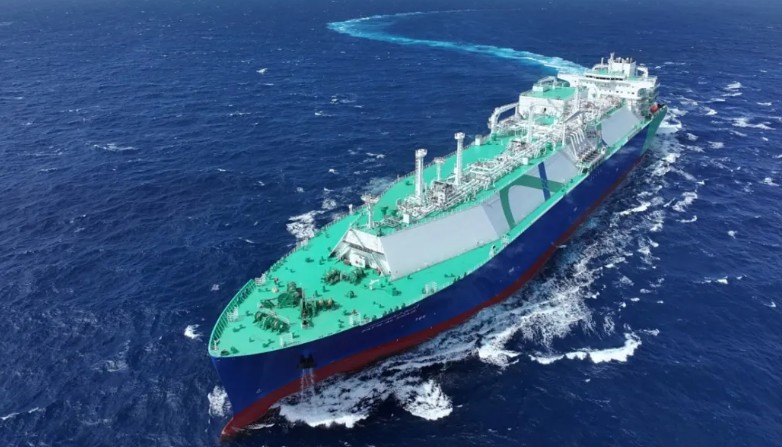
For Qatar, maintaining a consistent flow of tankers through the Strait is essential for fulfilling its role as one of the world’s largest LNG exporters. The recent movement of vessels, even amidst varying levels of maritime activity in the region, demonstrates the priority placed on maintaining the export pipeline. Analysts note that the ability to navigate these waters reliably is a cornerstone of Qatar’s economic policy and its influence in global energy markets.
Key Takeaways: Qatar’s LNG Recovery
- Status Change: Qatar is transitioning away from force majeure status on gas exports.
- Production Timeline: The Qatari Prime Minister expects production to normalize within weeks.
- Maritime Activity: A buildup of LNG tankers, some in ballast, is being observed near Qatari terminals.
- Global Impact: The resumption of normal exports is expected to stabilize supply for Asian and European markets.
The next major checkpoint for market observers will be the official confirmation from QatarEnergy regarding the formal lifting of force majeure and the subsequent publication of updated export schedules. These updates will provide the concrete data needed to assess the impact on global LNG spot prices.
For more updates on global energy markets and economic policy, please follow our business section and share this report with your professional network.