
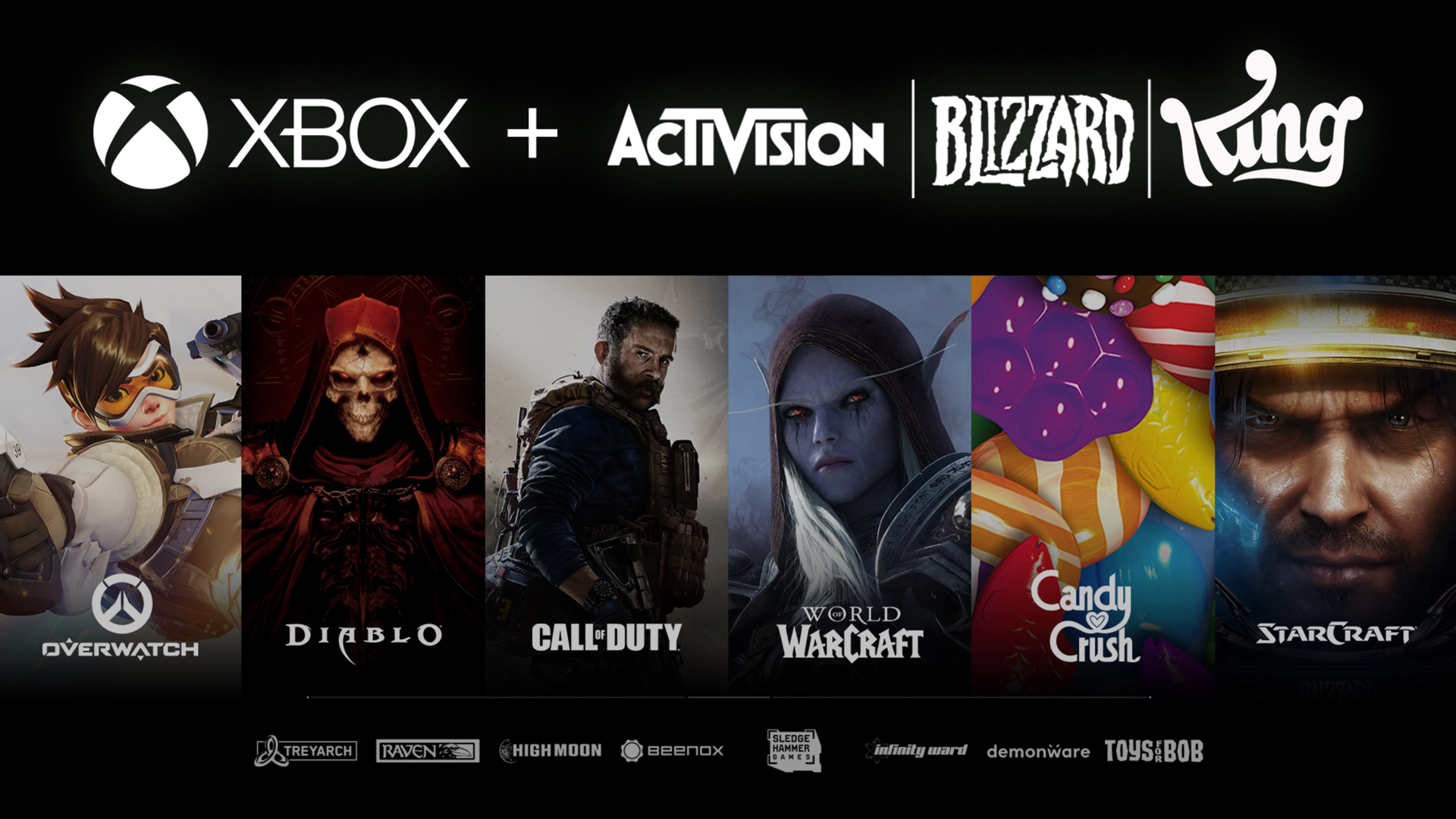
On January 18, 2022, Microsoft announced its intent to acquire Activision Blizzard for $68.7 billion, marking one of the largest deals in video game history. The acquisition was finalized on October 13, 2023, with the total cost reaching $75.4 billion after adjustments. This move brought iconic franchises like Call of Duty, World of Warcraft, Diablo, Overwatch, and Candy Crush under the Xbox ecosystem, significantly expanding Microsoft’s gaming portfolio.
The decision by Activision Blizzard to pursue a sale stemmed from a combination of internal challenges and external pressures. In mid-2021, the company faced widespread criticism following reports of a toxic workplace culture, including allegations of sexual discrimination and harassment. These issues led to employee walkouts, investor scrutiny, and regulatory investigations, creating instability that prompted leadership to explore strategic alternatives.
From Microsoft’s perspective, the acquisition aligned with its broader strategy to strengthen Xbox Game Studios and bolster content for Xbox Game Pass, its subscription-based gaming service. By integrating Activision Blizzard’s studios, Microsoft aimed to increase the value and appeal of Game Pass through access to major titles, particularly annual releases like Call of Duty, which have historically driven high engagement and subscriber retention.
Regulatory scrutiny played a significant role in shaping the timeline and conditions of the deal. The U.S. Federal Trade Commission (FTC) initially filed a lawsuit to block the merger, arguing it could reduce competition in the gaming market, especially concerning cloud gaming and subscription services. However, in July 2023, a federal judge denied the FTC’s request for a preliminary injunction, allowing the deal to proceed. The FTC later abandoned its challenge after failing to convince the court of antitrust concerns.
In the United Kingdom, the Competition and Markets Authority (CMA) raised concerns about the potential impact on cloud gaming, fearing Microsoft could develop Activision Blizzard’s titles exclusive to its platforms. To address these concerns, Microsoft agreed to sell the cloud streaming rights for Activision Blizzard’s current and future games to Ubisoft for 15 years, a concession that helped satisfy the CMA and led to its approval of the deal in October 2023.
European regulators also reviewed the acquisition, ultimately granting approval after determining it did not pose significant competition risks in the European Economic Area. Similarly, authorities in countries including Brazil, South Africa, and Saudi Arabia cleared the transaction, paving the way for its global completion.
Financially, the deal represented a premium over Activision Blizzard’s market value at the time of announcement. Microsoft paid approximately $95 per share in cash, reflecting confidence in the long-term value of the acquired intellectual property and development capabilities. The transaction was structured as a full acquisition, with Activision Blizzard becoming a subsidiary of Microsoft Gaming, operating alongside Xbox Game Studios and ZeniMax Media.
Leadership continuity was maintained post-acquisition, with Bobby Kotick remaining as CEO of Activision Blizzard until the end of 2023, after which he departed as planned. Phil Spencer, head of Microsoft Gaming, oversaw the integration, emphasizing a commitment to keeping popular titles like Call of Duty available on multiple platforms, including PlayStation, through binding agreements extending to 2033.
The acquisition has since influenced industry dynamics, particularly in the subscription gaming space. With Activision Blizzard’s catalog now part of Xbox Game Pass, Microsoft strengthened its position against competitors like Sony and Nintendo, offering users access to a vast library of games for a monthly fee. Industry analysts note that such consolidation may continue to shape how games are developed, distributed, and monetized in the coming years.
As of 2024, Microsoft continues to integrate Activision Blizzard’s studios into its broader gaming strategy, focusing on cross-platform releases, live service support, and expanding content for both console and PC audiences. The full impact of the acquisition on game development timelines, franchise direction, and platform exclusivity remains an ongoing topic of discussion among players, developers, and industry observers.
For ongoing updates on regulatory filings, studio integrations, or announcements related to Xbox Game Pass content, readers can refer to official communications from Microsoft Gaming and regulatory bodies such as the U.S. Federal Trade Commission and the UK Competition and Markets Authority.
If you found this breakdown helpful, consider sharing it with others interested in gaming industry developments or leaving a comment below with your thoughts on how major acquisitions like this shape the future of interactive entertainment.