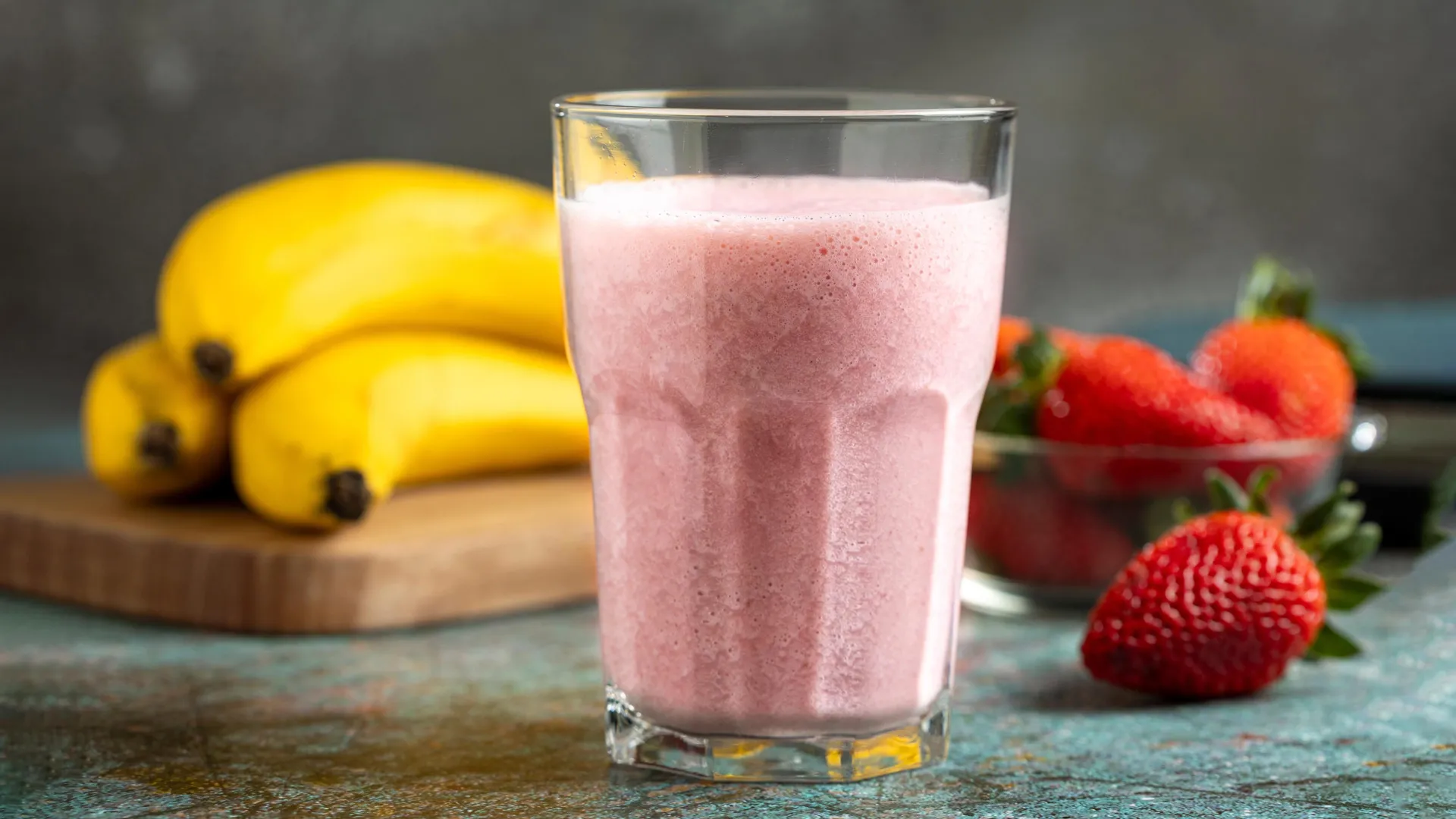
As a physician who has spent over a decade navigating the intersection of clinical medicine and public health, I often remind my patients that what we put into our bodies is only half the story. The other half is what our bodies actually manage to extract from those foods. Recent nutritional research has highlighted a fascinating, albeit counterintuitive, phenomenon: the way we combine ingredients in our daily rituals—specifically our morning smoothies—can significantly alter the bioavailability of essential nutrients.
For many, the standard recipe for a nutrient-dense beverage includes a base of berries and a banana for texture and natural sweetness. However, a study published in the journal Food &. Function suggests that adding bananas to berry-based smoothies can dramatically reduce the body’s ability to absorb healthy flavanols. This discovery serves as a compelling reminder that the science of nutrition extends far beyond a simple list of ingredients; it encompasses the complex chemical interactions that occur during digestion.
Understanding the Flavanol-Banana Connection
To understand why this happens, we must look at flavanols, a group of bioactive compounds found in fruits like blackberries, blueberries, and strawberries. Flavanols are widely recognized for their potential to support cardiovascular health and cognitive function. The research team, led by scientists at the University of California, Davis, discovered that an enzyme called polyphenol oxidase (PPO)—which is found in high concentrations in bananas—is the primary culprit.
When you blend a banana with flavanol-rich berries, you are essentially activating this enzyme. The PPO enzyme rapidly oxidizes the flavanols in the berries, transforming their chemical structure before your body has the opportunity to absorb them. The study, which utilized a controlled trial involving human participants, found that the flavanol levels in the blood were significantly lower when subjects consumed a banana-based smoothie compared to a control group who consumed a smoothie made with other low-PPO fruits, such as pineapple.
This interaction is a perfect example of why food synergy—and its opposite, food antagonism—is a critical area of study in modern nutrition. It isn’t that bananas are “unhealthy”; rather, their specific enzymatic activity can negate the nutritional benefits we are seeking when we combine them with specific polyphenol-rich foods.
The Complexity of Dietary Absorption
The bioavailability of nutrients is not a static number on a food label. It is a dynamic process influenced by food matrices, preparation methods, and metabolic individuality. When we talk about nutrient absorption, we are discussing the fraction of an ingested nutrient that reaches systemic circulation and is available for use by the body. In the case of the banana-berry interaction, the reduction in flavanol absorption is quite stark, highlighting how even a simple culinary choice can alter the physiological impact of a meal.
For those looking to maximize the benefits of their dietary intake, this research provides a practical framework for meal planning. If your goal is to optimize your intake of flavanols, you might consider swapping the banana in your smoothie for other thickening agents that do not contain high levels of polyphenol oxidase. Options such as mango, orange, or even yogurt can provide a similar texture without triggering the same enzymatic degradation of your berries’ beneficial compounds.
A Balanced Approach to Nutrition
It is vital to maintain perspective. This finding does not mean that bananas are a “poor” food. Bananas remain an excellent source of potassium, vitamin B6, and fiber, and they play a valuable role in a balanced diet. The takeaway here is not to eliminate bananas, but to be mindful of how we structure our meals to ensure we are getting the most out of our ingredients.
As we continue to learn more about the complexities of human metabolism, the importance of “nutritional awareness” becomes increasingly clear. We are moving away from a reductionist view of food—where we simply count calories or macronutrients—toward a more holistic understanding of how food components interact within the body. This evolution in science allows us to make more informed choices, ensuring that our dietary habits align with our long-term health goals.
What Happens Next?
The scientific community continues to investigate how other common food combinations affect nutrient absorption. Future research is expected to delve into how different preparation methods, such as cooking or fermentation, might inhibit or enhance the activity of enzymes like PPO. For now, the best strategy is to embrace variety and remain curious about the science behind our plates.

I encourage you to share your thoughts on this finding. Have you noticed a difference in how you feel after switching up your smoothie ingredients? Join the conversation below and share your favorite nutrient-dense recipes that prioritize ingredient synergy. For more updates on the latest in nutrition science and medical innovation, stay tuned to our health section as we continue to translate complex research into actionable advice for your daily life.
Keep reading