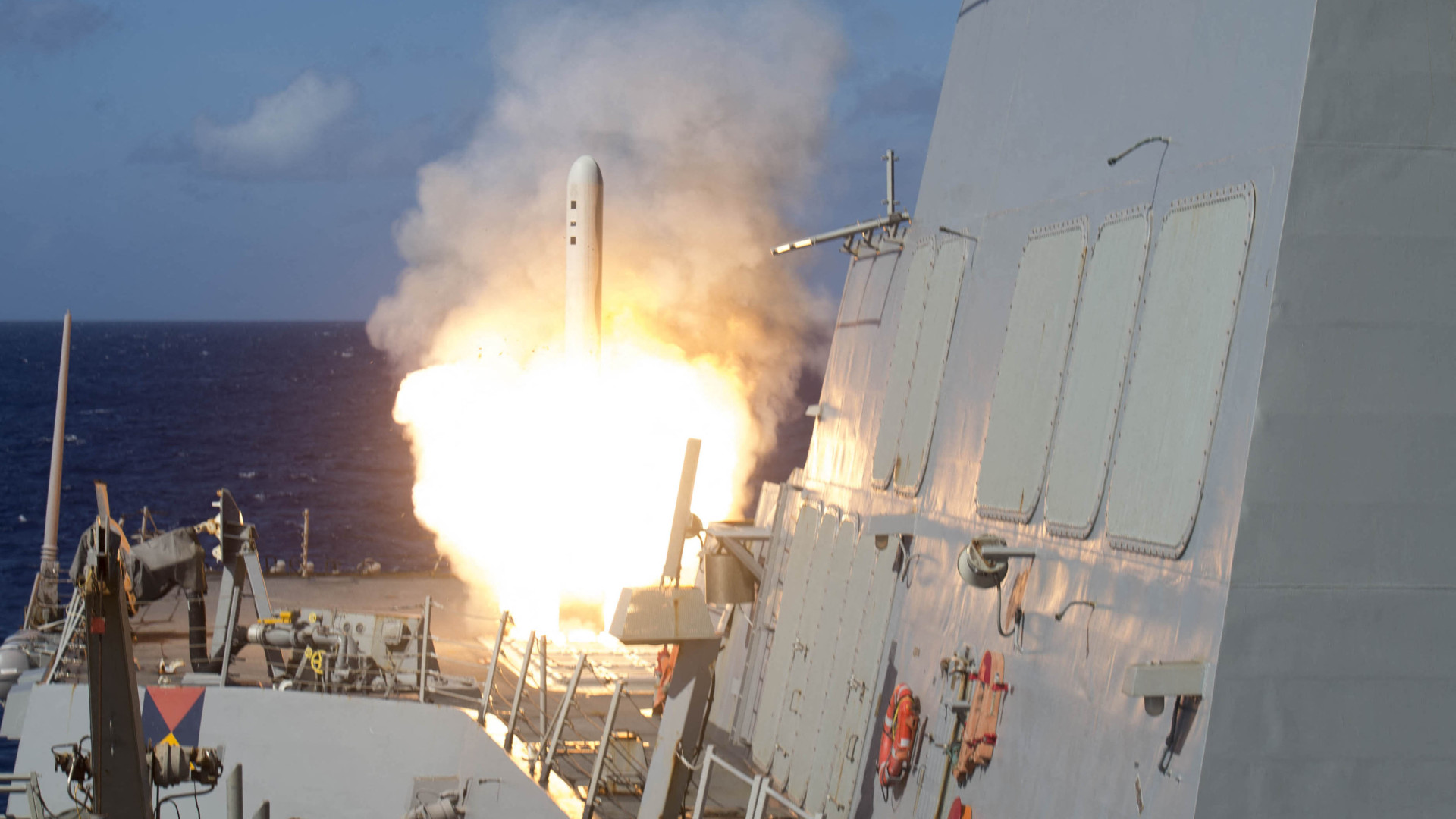
In the shifting landscape of transatlantic relations, recent developments regarding U.S. Defense procurement and strategic partnerships have sparked intense debate across European capitals. As the United States recalibrates its global security priorities, questions are emerging about the consistency of Washington’s commitments to its long-standing allies. For many observers in Brussels and beyond, the perceived cooling of American support for specific European defense initiatives is not merely a matter of policy, but a signal of a broader, more complex realignment in Western security architecture.
The core of this tension often centers on the delicate balance between the U.S. “pivot to the Indo-Pacific” and the enduring requirement to maintain a credible deterrent on the European continent. As we analyze the current state of NATO interoperability and bilateral defense agreements, it becomes clear that the “America First” undercurrent—persisting across different political administrations—continues to influence how Washington approaches the modernization of its partners’ military capabilities. This represents not necessarily a sudden abandonment, but rather a calculated, and at times uncomfortable, prioritization of American industrial and strategic interests.
The Strategic Shift in Transatlantic Defense
At the heart of the current unease is the ongoing evolution of the U.S. Defense industrial base and its integration with European partners. The U.S. Department of State’s Directorate of Defense Trade Controls continues to oversee the complex regulatory framework governing the export of sensitive military technologies. When Washington appears to hesitate in fulfilling major procurement promises or technical support agreements, it often forces European nations to confront the reality of their own strategic autonomy. This is particularly relevant as NATO members strive to meet the 2% of GDP defense spending guideline established at the 2014 Wales Summit.
Recent reports of delays in high-profile defense contracts have led to speculation regarding the “awkward” underlying reasons for these setbacks. While some analysts point to supply chain constraints—a lingering effect of the global pandemic—others argue that the U.S. Is increasingly prioritizing its own domestic military readiness or regional competition with China over the specific, localized security needs of its European allies. This friction is exacerbated by the competitive nature of the global arms market, where European manufacturers are increasingly vying for the same contracts that U.S. Defense giants have traditionally dominated.
Navigating the Procurement Gap
The impact of these delays is felt most acutely by nations attempting to modernize aging Soviet-era equipment with Western-standard platforms. For these countries, the decision to pivot toward U.S. Hardware is a long-term strategic bet on American reliability. When that reliability is questioned, the political cost for leaders in Sofia, Warsaw, or Bucharest can be significant. The procurement process is rarely just about hardware. it is about the long-term maintenance, training, and political security guarantees that accompany these systems.

As noted by the Center for Strategic and International Studies (CSIS), the U.S. Defense industrial base is currently facing unprecedented demand, leading to backlogs that affect both domestic and foreign military sales. This capacity issue is often conflated with political intent, creating an environment where suspicion of “abandonment” can take root even when the root cause is industrial capacity rather than geopolitical malice.
Key Factors Influencing U.S.-European Defense Ties
- Industrial Capacity: The ability of the U.S. Defense sector to scale production to meet both domestic mandates and international commitments.
- Strategic Autonomy: The growing European desire to develop independent defense capabilities to mitigate reliance on external partners.
- Geopolitical Rebalancing: The increasing focus of U.S. Foreign policy on the Indo-Pacific theater, which shifts resources and attention away from traditional European security concerns.
- Interoperability Standards: The technical challenges of ensuring that diverse military systems can communicate and operate effectively within the NATO framework.
What Happens Next?
The discourse surrounding U.S.-European defense cooperation is unlikely to quiet down in the coming months. The next major checkpoint for these discussions will be the upcoming NATO ministerial meetings, where member states are expected to address the gaps in readiness and the future of joint procurement. For European leaders, the challenge remains to reconcile the necessity of the American security umbrella with the urgent need to build a more resilient, self-sufficient defense industry on the continent.
Transparency from Washington regarding its long-term export strategies will be critical. If the U.S. Intends to remain the primary security partner for Europe, it must address the perception that its allies are being sidelined. Conversely, European nations must continue to demonstrate their commitment to collective security through sustained investment and political unity. The path forward requires a candid assessment of what “partnership” means in an era of renewed great-power competition.
As this situation develops, we will continue to monitor official statements from the Pentagon and the European Commission. I invite our readers to share their perspectives on this shift in the comment section below. How do you see the future of the transatlantic defense partnership evolving?
Worth a look