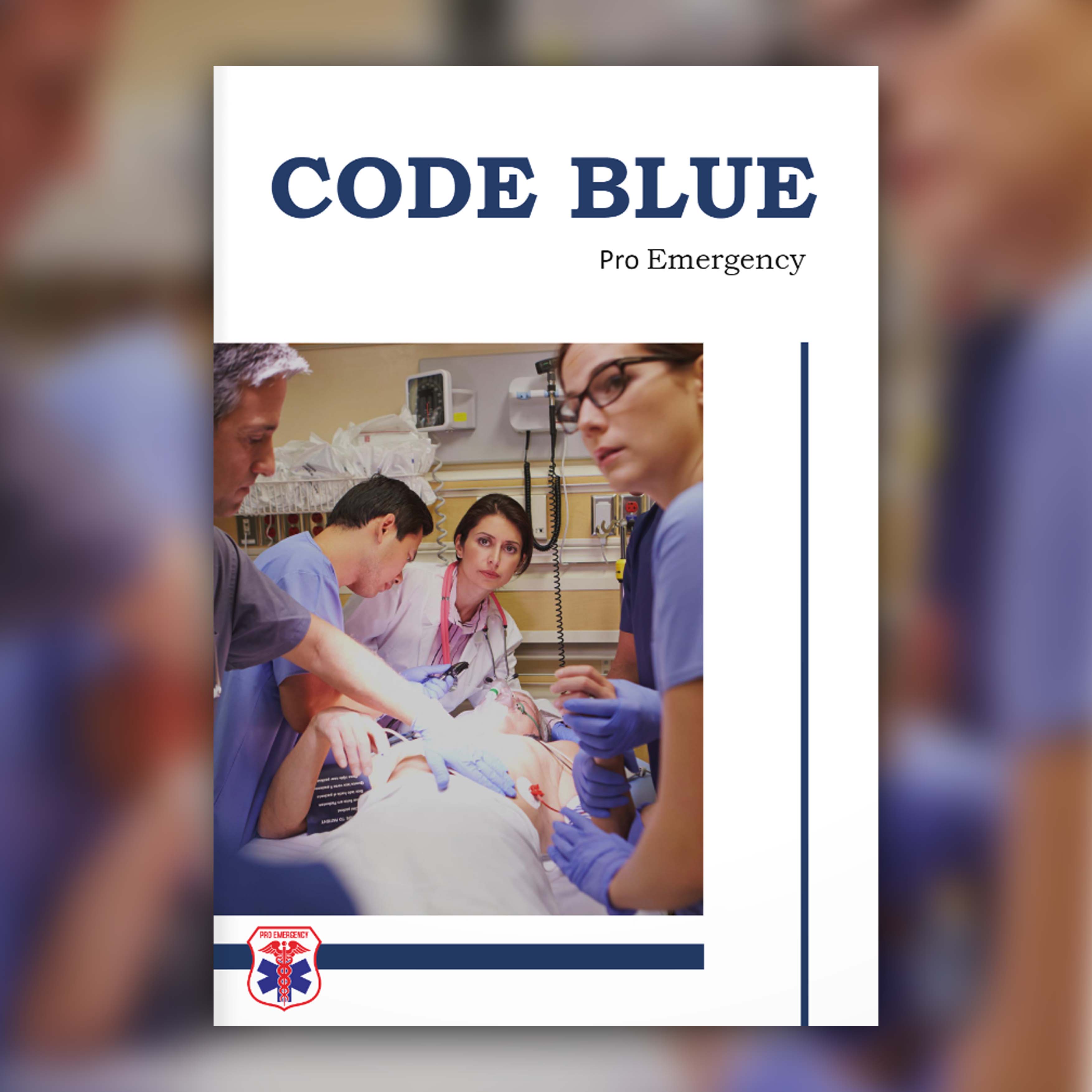
In the high-acuity environment of a modern hospital, the “code blue” alarm is a familiar, if unsettling, sound. It signals an immediate, life-threatening cardiac or respiratory emergency requiring a rapid response team to initiate resuscitation. However, when a code blue on the psychiatry unit ends in a police interview, the clinical landscape shifts dramatically. For healthcare professionals, navigating the intersection of emergency medicine, psychiatric care, and potential medicolegal involvement represents one of the most challenging scenarios in clinical practice.
As a physician, I have often observed that the protocols for medical emergencies in psychiatric settings are complex. Unlike a standard medical floor, a psychiatric unit is designed primarily for safety and stabilization, yet patients within these wards remain susceptible to the same acute physiological crises as any other hospitalized individual. When a young patient suffers a sudden cardiac event, the transition from life-saving medical intervention to a formal law enforcement investigation can create profound ethical and professional friction for the attending staff.
The Clinical Realities of Psychiatric Emergencies
Psychiatric units are often managed with a focus on environmental safety, but they are not immune to the realities of internal medicine. Cardiac events in younger psychiatric patients can be multifactorial, sometimes linked to underlying physical health conditions, metabolic side effects of psychotropic medications, or, in rare instances, unrelated acute pathology. According to guidelines from the American Psychiatric Association, the integration of physical health monitoring within psychiatric care is essential to mitigating risks of sudden cardiac complications.
When a code is called on a unit where access is restricted, the arrival of a rapid response team—comprised of clinicians who may not be familiar with the unit’s specific security protocols—can lead to logistical complications. The primary goal is always the preservation of life; however, the presence of security personnel or the subsequent involvement of external authorities underscores the legal sensitivity surrounding patient deaths in custody or under supervised care. The Joint Commission emphasizes that sentinel events, including unexpected deaths in a healthcare setting, require a thorough root-cause analysis to ensure that both clinical and environmental factors are addressed.
Navigating Legal and Investigative Intersections
When a medical emergency leads to police involvement, the role of the clinician shifts from provider to witness. This transition is rarely seamless. In many jurisdictions, any unexpected death in a healthcare facility must be reported to the local coroner or medical examiner to determine the cause of death. If there is any suspicion of non-natural causes or if the death occurs under circumstances that suggest neglect or foul play, law enforcement agencies are mandated to conduct a formal inquiry under state Department of Justice oversight.
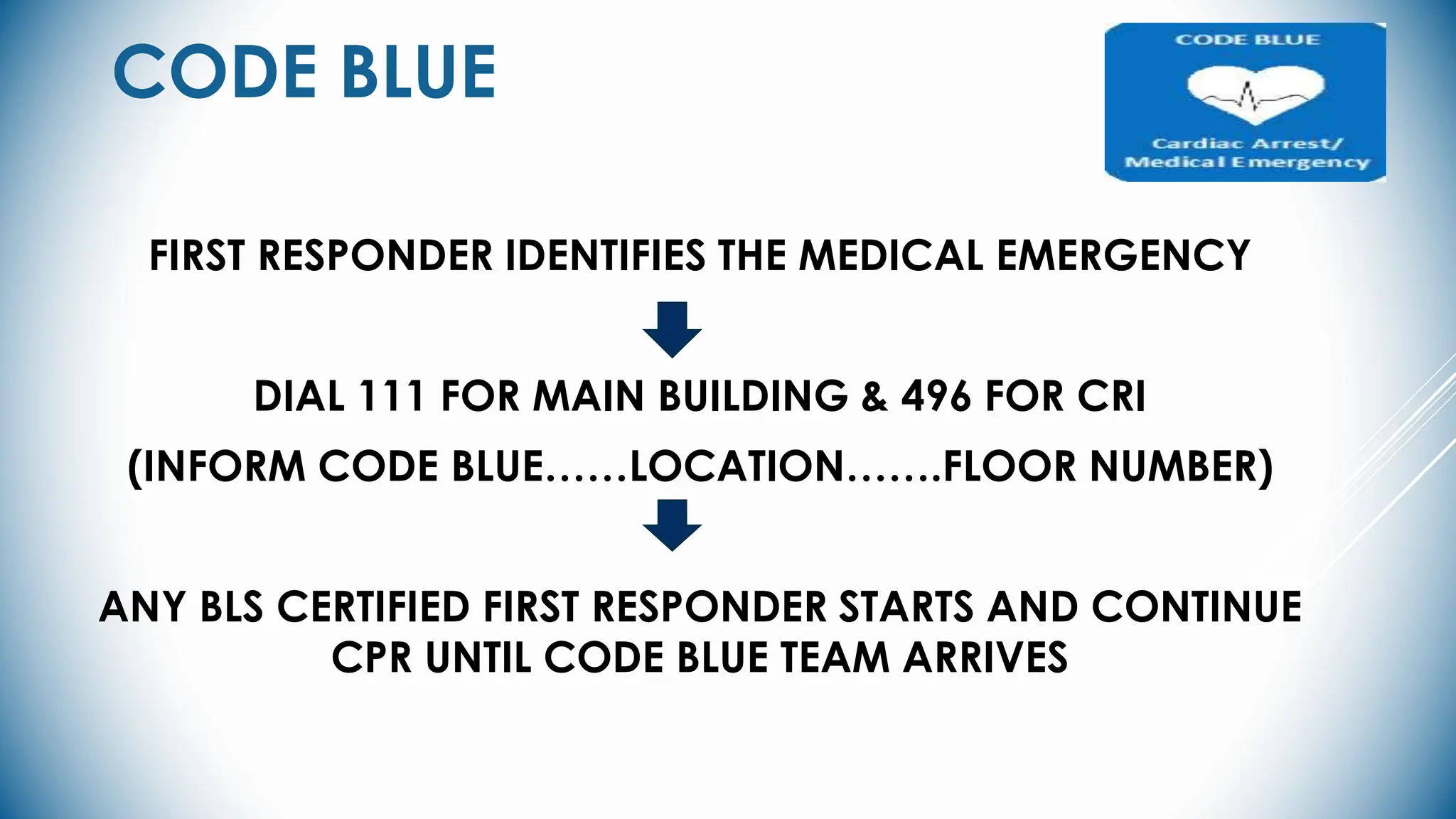
For the medical staff involved, this process can be an incredibly isolating experience. The demand for documentation—ranging from nursing notes to telemetry readings—becomes the focus of a legal review. It’s crucial for clinicians to understand their rights and the importance of institutional legal counsel during such inquiries. Transparency, coupled with accurate, contemporaneous documentation, remains the most effective defense for medical professionals operating in high-stakes environments.
Maintaining Professional Integrity
The emotional toll of a code blue, especially one involving a young patient, cannot be overstated. When that event is compounded by a police investigation, the risk of burnout and “second victim” syndrome—where the healthcare provider suffers trauma due to the incident—increases significantly. Hospitals are encouraged to provide robust peer support programs and debriefing sessions that allow teams to process the event in a safe, non-punitive environment.
the objective of any investigation is to improve patient safety and systemic reliability. By reviewing the sequences of events—from the initial cardiac arrest to the final police report—hospitals can identify gaps in triage, monitoring, or emergency response times. It is the responsibility of the medical community to advocate for better integration of physical health screening for all psychiatric inpatients to prevent these tragic outcomes before they reach the point of a crisis.

For those interested in the ongoing discussions regarding medical ethics and emergency protocols, further educational resources and peer-led podcasts continue to explore the nuances of these hard professional intersections. Staying informed about your institutional policies regarding incident reporting and law enforcement cooperation remains the best way to safeguard both your practice and your patients.
As we continue to monitor developments in hospital safety and clinical policy, we invite our readers to share their experiences with emergency response protocols in their own facilities. Please leave your thoughts in the comments section below, and ensure you are subscribed to our newsletter for the latest updates on medical innovation and healthcare policy.
Worth a look