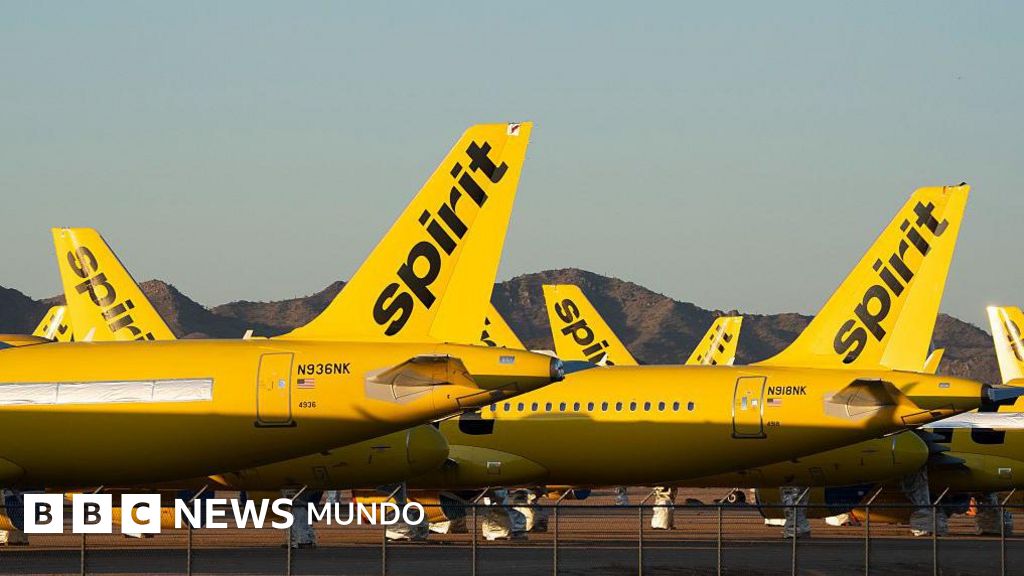
Low-cost airlines are facing an unprecedented operational squeeze driven by soaring fuel costs, supply chain bottlenecks, and persistent aircraft delivery delays from major manufacturers. According to industry reports from global aviation authorities and financial analysts, budget carriers that once promised perpetually cheap flights are being forced to reevaluate their pricing models, leading to a noticeable upward pressure on ticket prices for travelers worldwide.
The convergence of rising operational expenditures and restricted fleet expansions has upended the ultra-low-cost business model. For years, carriers relied on high aircraft utilization, uniform fleets, and aggressive ancillary pricing to keep base fares low. However, high inflation, volatile jet fuel prices, and structural delays at manufacturers like Boeing and Airbus have left airlines scrambling for capacity just as global travel demand rebounds to pre-pandemic levels.
Travelers accustomed to booking ultra-cheap European and transatlantic hops are seeing those bargain fares evaporate. Industry data shows that average ticket prices across major budget networks have climbed significantly compared to baseline figures from previous years, signaling a permanent shift in how carriers manage yield and capacity in a high-cost economic environment.
Supply Chain Bottlenecks and Manufacturing Delays
The root of the current crisis extends deep into the aerospace manufacturing sector. Major carriers depend on timely deliveries of new, fuel-efficient narrowbody aircraft to replace aging planes and expand profitable routes. Yet, ongoing supply chain disruptions, component shortages, and stringent regulatory inspections have severely slowed production lines at Boeing and Airbus.
When airlines cannot take delivery of ordered aircraft on schedule, they must either extend the operational life of older, less fuel-efficient planes or trim their flight schedules. Both options increase overhead costs. According to market analysts, fewer operational planes mean reduced seat capacity on popular routes, allowing airlines to price remaining seats higher without sacrificing overall revenue.
Furthermore, engine durability issues have forced unexpected groundings across several prominent low-cost fleets. Specialized inspections and mandatory overhauls require carriers to pull aircraft out of service for extended periods, compounding the capacity crunch during peak travel seasons.
Soaring Fuel Costs and Financial Pressures
Jet fuel remains one of the single largest variable expenses for any airline, accounting for a substantial portion of total operating costs. Following years of severe price volatility and geopolitical tensions affecting global oil markets, budget carriers have lost the cushion provided by historical fuel hedging contracts.
Unlike legacy network carriers that often maintain robust hedging portfolios to protect against sudden oil spikes, many low-cost operators rely heavily on spot market pricing. When crude oil prices surge, budget airlines absorb those costs immediately. To protect profit margins, carriers pass these expenses directly to consumers through higher base fares, mandatory baggage fees, and seat selection charges.
Financial disclosures from publicly traded budget airlines highlight tighter operating margins across the board. Investors are increasingly demanding disciplined capital allocation, pushing executives to prioritize profitability over aggressive market-share expansion through artificially low fares.
What This Means for Travelers and Future Flight Prices
For consumers planning trips, the era of widespread flash sales and twelve-dollar international flights is receding. While budget airlines will continue to offer promotional discounts during off-peak periods, the baseline cost of flying is structurally higher.
Industry experts advise travelers to adjust their booking habits to mitigate rising costs. Securing tickets further in advance, remaining flexible with travel dates, and traveling light to avoid ancillary fees are more critical than ever. As airlines tightly manage seat inventory to match constrained capacity, last-minute bargains are becoming increasingly rare.
Regulatory bodies and consumer advocacy groups continue to monitor airline pricing transparency and cancellation policies as carriers navigate this financial turbulence. Passengers are encouraged to check official airline portals and aviation authority advisories for real-time updates on schedule changes, passenger rights, and fare structures.
The next major checkpoint for the sector will arrive with upcoming quarterly financial disclosures from major low-cost carriers, which will provide clearer visibility into fleet recovery timelines and summer booking trends. We welcome your thoughts and insights on these market shifts—please share your comments below.
Related reading