
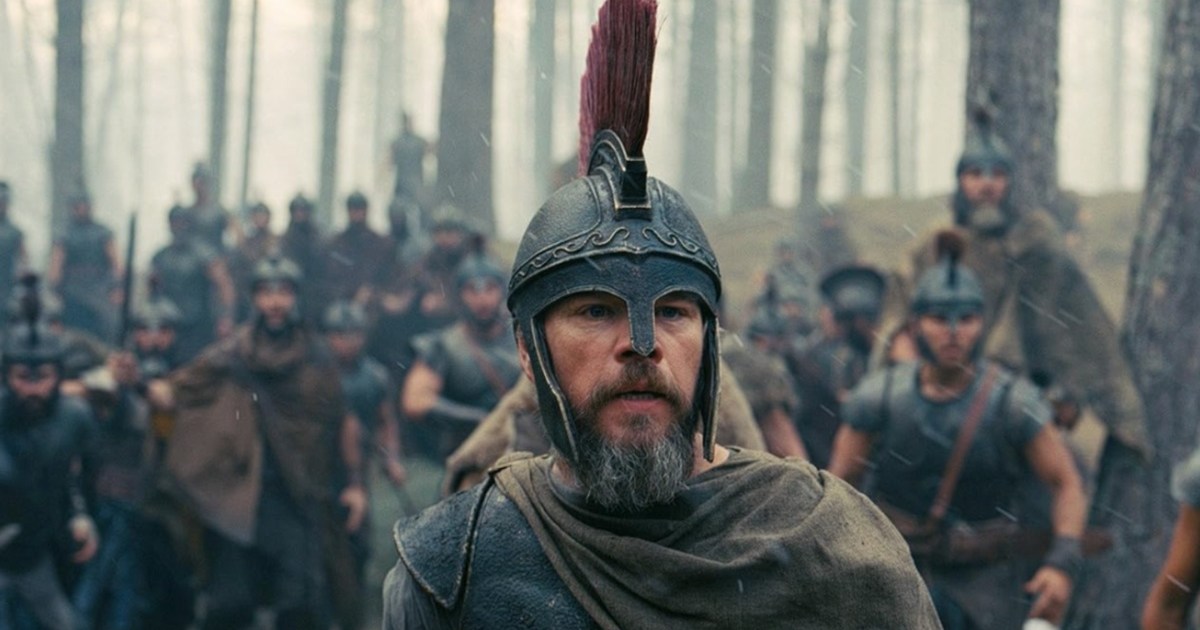
Christopher Nolan’s upcoming film, The Odyssey, will bypass the increasingly common Hollywood practice of early influencer screenings, opting instead for a traditional rollout that prioritizes professional film critics following its July 6 world premiere. As studios navigate the shifting dynamics of digital marketing, the decision by Universal Pictures to exclude social media content creators from advance viewings marks a significant departure from recent industry trends that have sought to leverage influencer reach to build pre-release momentum.
This strategy highlights a growing tension in how major motion pictures communicate with their audiences. While studios have frequently invited influencers to bolster word-of-mouth campaigns, these initiatives have recently faced scrutiny regarding the perceived authenticity of the feedback provided. By focusing on traditional critical review cycles, Nolan’s production team is banking on the film’s intrinsic appeal and established anticipation, rather than the curated reactions often associated with social media marketing events.
The Shift in Hollywood Marketing Strategy
For decades, the standard path for a major studio release involved private screenings for members of the press, followed by an embargoed window for reviews. In recent years, that model has expanded to include influencers, bloggers, and fan-site contributors. The intent is to generate immediate, high-volume engagement on platforms like TikTok, Instagram, and X (formerly Twitter) to drive ticket pre-sales. However, the efficacy of this strategy has been questioned following instances where influencer-led sentiment diverged sharply from subsequent critical and general audience reception.
Industry observers have pointed to the film Supergirl as a case study in this friction. Despite early social media praise from invited influencers, the film struggled to maintain momentum, ultimately receiving a 59% critical approval rating on Rotten Tomatoes. This gap between influencer-driven hype and critical assessment has led to concerns about the erosion of trust among moviegoers who feel that social media endorsements may prioritize access over objective critique. By opting out of this cycle, The Odyssey aims to avoid the potential backlash that occurs when a film fails to meet the inflated expectations set by early, non-professional digital campaigns.
Why Traditional Critics Remain the Priority
Christopher Nolan’s preference for traditional distribution channels aligns with his long-standing reputation for preserving the theatrical experience. According to standard industry practices, professional critics provide a consistent, if often rigorous, framework for evaluating cinema, which can serve as a more reliable barometer for long-term box office performance. When a film is shielded from early social media saturation, it allows for a more controlled narrative, one where the film’s quality is the primary driver of public discourse.
The financial stakes for a production of this scale are significant. While smaller, independent films often rely on influencer-led, grassroots word-of-mouth to bridge the gap in marketing budgets, a blockbuster project like The Odyssey already commands high levels of visibility. With pre-sale ticket records for Imax showing strong performance, the studio has determined that the risks of an influencer marketing campaign—such as negative viral sentiment or accusations of “bought” praise—outweigh the potential benefits of early social media exposure. This decision underscores a broader industry pivot, where top-tier filmmakers are increasingly protective of their projects’ reputations in an era of rapid, often volatile online feedback.
The Impact on Future Blockbuster Releases
If the release of The Odyssey proves successful without the support of an influencer campaign, it is likely that other major studios will reconsider their reliance on early social media access. The current model, which often includes high-profile stunts like those seen during the promotion of The Mandalorian and Grogu, can occasionally distract from the product itself. When marketing tactics draw more attention than the film’s content, the risk of a public relations misstep increases significantly.

The industry will be watching the July 6 premiere closely to determine if the “Nolan approach” becomes a new standard for high-budget cinema. For filmmakers who prioritize a curated theatrical experience, returning to a critic-first model offers a way to regain control over the public perception of their work. While influencers will likely remain a fixture in the promotion of lower-budget features and streaming content, the landscape for major blockbusters may be shifting toward a more traditional, and perhaps more skeptical, promotional environment.
As the theatrical release date approaches, prospective viewers can monitor official updates from Universal Pictures and major exhibition chains regarding ticket availability and final screening schedules. The effectiveness of this strategy will be fully realized once the film enters its wide release phase, providing a clear indicator of whether traditional critical consensus still holds more weight with the global audience than the contemporary, influencer-driven social media cycle.