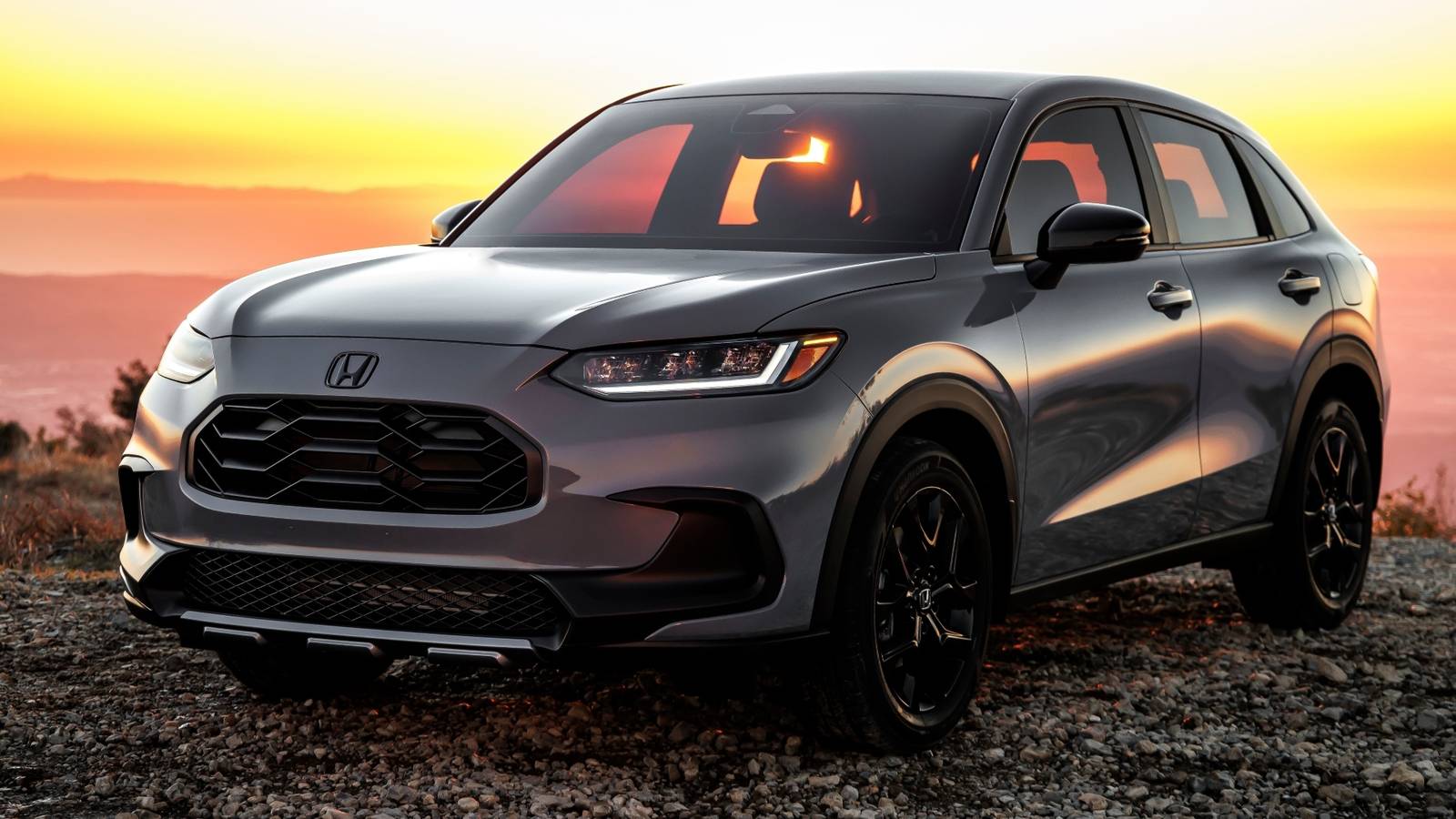
In the evolving landscape of the American automotive market, the compact crossover has firmly established itself as the new standard for the modern driver. As a technology editor who has spent nearly a decade analyzing industry shifts and software integration, I have observed a distinct transition: the days when smaller vehicles required significant compromises in comfort or capability are effectively over. Today, this affordable Honda SUV—specifically the Honda CR-V—has become a benchmark for what most families and commuters actually require in their daily lives.
The shift toward compact crossovers is not merely a matter of aesthetic preference; It’s a response to the practical realities of urban and suburban logistics. These vehicles provide a balance of maneuverability, fuel efficiency, and interior utility that larger, traditional SUVs often lack. According to data from the National Highway Traffic Safety Administration (NHTSA), the segment continues to see high consumer adoption, driven by manufacturers integrating advanced driver-assistance systems (ADAS) and connectivity features that were once exclusive to luxury-tier models.
Engineering Efficiency for the Modern Commuter
What makes the current generation of compact crossovers, particularly the Honda CR-V, so compelling is the democratization of technology. As someone with an MSc in Computer Science, I pay close attention to how human-machine interfaces (HMI) are implemented in consumer hardware. Honda’s approach focuses on intuitive software—integrating smartphone connectivity like Apple CarPlay and Android Auto—without overwhelming the driver with unnecessary complexity. The goal is to provide a seamless transition from the digital environment of the office or home to the vehicle.
the mechanical engineering behind these platforms has matured. The transition toward hybrid powertrains, which Honda has aggressively pursued for its compact lineup, reflects a broader industry commitment to reducing emissions while maintaining performance. The U.S. Department of Energy’s fuel economy ratings consistently place these vehicles in a sweet spot for cost-of-ownership, balancing purchase price against long-term fuel savings and lower maintenance requirements compared to heavier, body-on-frame alternatives.
Why Utility Still Matters
The primary appeal of the compact crossover remains its “Goldilocks” dimensions. It is large enough to accommodate the gear of a weekend trip, yet compact enough for straightforward navigation in dense San Francisco traffic or tight parking garages. This versatility is supported by clever interior packaging. Honda has long been a leader in maximizing cabin space, a feat achieved through efficient design that minimizes the footprint of mechanical components, allowing for more legroom and cargo capacity.

When we evaluate these vehicles, we are looking at a fundamental change in the definition of “essential.” For most drivers, the need is not for towing capacity or extreme off-road capability, but for a reliable, safe, and tech-forward space that moves people and cargo efficiently. The compact SUV has become the default choice because it answers these needs with fewer trade-offs than any other vehicle category on the market today.
Looking Ahead: The Future of the Compact SUV
As we look toward the remainder of 2026, the industry is moving rapidly toward further electrification. Consumers should stay informed about upcoming safety recalls and software updates by checking the official NHTSA recall database, which provides the most accurate and up-to-date information regarding vehicle safety standards and manufacturer compliance. Manufacturers are currently preparing for the next iteration of federal fuel efficiency mandates, which will likely influence the next generation of compact crossovers.

The compact SUV is no longer just a “small” alternative; it is a sophisticated piece of technology that reflects our changing relationship with the road. Whether you are prioritizing fuel economy, tech integration, or basic utility, the current market offers a level of refinement that was unimaginable just a decade ago. I encourage our readers to share their experiences with their own vehicles in the comments section below, as we continue to track how these developments impact the global automotive landscape.
For official updates on automotive safety standards and future regulatory changes, keep an eye on the upcoming Department of Transportation public briefing schedules. As always, I look forward to hearing your thoughts on how these trends are shaping your own driving experience. Please feel free to share this article if you found these insights helpful for your next vehicle purchase.