Deep beneath the soil of southeastern Ukraine, the modern war is fought on glowing screens. In the dim light of fortified underground dugouts, thick with the scent of damp earth and sawed logs, the trajectory of the conflict is being redrawn not by massive armored thrusts, but by the precise movements of small, unmanned aircraft.
For months, the world has watched as the Russian military has attempted to push deeper into the east. However, those attempts have been met with a digital shield. While the Russian military continues to press forward, the reality on the ground is one of painstaking, costly increments. The Russian forces’ slow progress in eastern Ukraine is increasingly a result of a battlefield that has been fundamentally altered by the ubiquity of drone technology.
Despite being outgunned and facing an enemy with significantly more resources, Ukrainian forces have managed to leverage a sophisticated drone ecosystem to stall advances and exact a heavy price from attacking units. This shift has effectively leveled the battlefield, turning what might have been rapid breakthroughs into a grinding war of attrition where every movement is monitored in real-time.
The Eyes of the 148th: Precision Reconnaissance
The effectiveness of this strategy is best seen through the eyes of operators like Dmytro Sadovets. A platoon commander in the 148th Separate Artillery Brigade, Sadovets operates from a subterranean hideout, maneuvering a Ukrainian-made Gor reconnaissance drone deep behind Russian lines in the Donetsk region. The Gor drone serves as the critical first link in a lethal chain of events.
The process is a clinical exercise in surveillance and strike. Operating in the predawn gray, Sadovets uses the drone’s thermal camera to pierce through the cover of forests and fields. The technology allows operators to detect the heat signatures of Russian soldiers moving through tree lines—details that would be invisible to the naked eye or standard optics. Once a target is identified, such as the barrel of an artillery gun, the operator transmits precise coordinates back to the brigade.
This reconnaissance-to-strike loop minimizes the time between detection and impact. By providing real-time, high-accuracy data, Ukrainian drone operators ensure that artillery strikes are not blind barrages but targeted eliminations of high-value hardware and personnel. This constant surveillance creates a “transparent battlefield,” where Russian movements are exposed the moment they leave fortified positions, making large-scale maneuvers nearly impossible to execute without significant loss.
Robotic Logistics and the War of Attrition
The drone war is not limited to surveillance and strikes. To sustain the front lines while minimizing human risk, Ukraine has integrated robotic ground vehicles into its logistical framework. These unmanned platforms are deployed to supply front-line forces, carrying essential gear and ammunition across contested zones where human drivers would be easy targets for enemy fire.
The integration of these robotic systems addresses one of the most dangerous aspects of trench warfare: the “last mile” of delivery. By replacing soldiers with robotic vehicles for supply runs, the Ukrainian military can maintain its defensive positions in the Donetsk region while reducing casualties associated with logistics. This operational shift allows the 148th Separate Artillery Brigade and other units to remain entrenched and effective, further slowing the momentum of any Russian advance.
The Strategic Impact of Drone Ubiquity
The current state of the conflict suggests that the Russian military has encountered a fundamental tactical problem: the inability to make significant territorial gains when the sky is saturated with reconnaissance assets. In previous eras of warfare, the “fog of war” allowed attacking forces to mask their movements and achieve surprise. Today, that fog has been lifted by thermal imaging and constant aerial patrols.
This transparency has forced a change in Russian tactics, often resulting in “inching” movements. When every column of smoke from a successful strike is visible on a screen in a dugout, and every heat signature in a tree line is a potential target, the cost of advancement rises exponentially. The resulting stalemate is not necessarily a lack of will or resources, but a technical limitation imposed by the democratization of aerial surveillance.
What This Means for the Global Conflict
The situation in eastern Ukraine serves as a case study for the future of global geopolitics and military engagement. The fact that a smaller, out-resourced force can stall a larger military through the use of low-cost, high-efficiency drones suggests a paradigm shift in how territorial disputes will be contested.
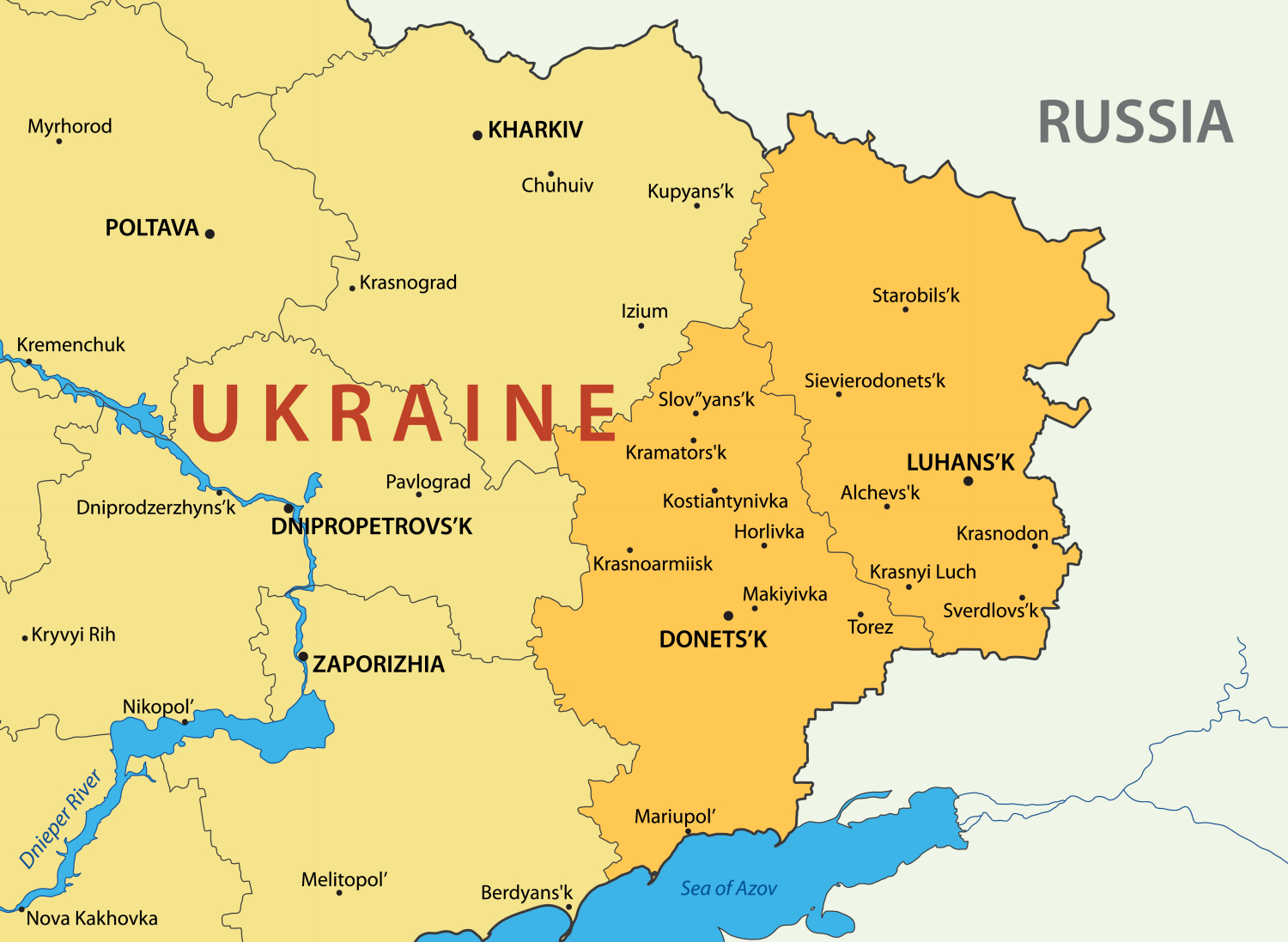
For the soldiers on the ground, this means the war is as much about electronic signals and screen coordinates as it is about infantry and armor. The “leveled battlefield” mentioned by operators reflects a reality where technical ingenuity and the ability to maintain a reconnaissance loop can offset raw numerical superiority.
As the conflict continues, the focus will likely shift toward electronic warfare—the attempt to jam or spoof these drones—as both sides seek a way to reclaim the cover of the “fog of war.” Until then, the Russian advance remains a costly, slow-motion process, monitored second-by-second from the depths of Ukrainian dugouts.
Key Takeaways on the Drone War in the East
- Battlefield Transparency: Thermal imaging and reconnaissance drones like the Gor have eliminated the element of surprise for advancing forces.
- Precision Strike Loops: The 148th Separate Artillery Brigade utilizes a direct pipeline from drone detection to artillery coordinates, increasing strike lethality.
- Logistical Innovation: Robotic ground vehicles are being used to supply the front lines, reducing the risk to human personnel.
- Resource Offset: Drone technology has “leveled the battlefield,” allowing Ukraine to slow a larger, better-resourced opponent.
The next critical checkpoint for observers will be the evolution of electronic countermeasures and the deployment of new drone iterations as the summer campaigning season progresses. We will continue to monitor official reports from the front lines regarding shifts in territorial control and tactical adaptations.
Do you believe drone technology has permanently changed the nature of territorial warfare, or is this a temporary tactical phase? Share your thoughts in the comments below.
Keep reading