
Global electric vehicle registrations are experiencing a pronounced mid-year surge, propelled by shifting regulatory frameworks in Europe, rising global fuel costs, and aggressive market maneuvers by industry leaders Tesla and BYD. According to market data and recent industry assessments, the current landscape reflects a dynamic recalibration as traditional automotive strongholds adapt to changing consumer demand and tightening environmental mandates.
The international uptick comes during a complex period for clean-transport adoption. While markets in North America and parts of Asia navigate policy pauses and demand plateaus, European registrations have expanded sharply, helping offset regional slowdowns. Observers point to a combination of persistent oil price pressures and new vehicle introductions as primary catalysts for the recent rebound in battery-electric vehicle (BEV) sales.
Industry analysts emphasize that this summer sales acceleration is not uniform across all territories. Europe has emerged as a primary engine of recent growth, recording significant month-over-month gains that outpace earlier projections. Market monitors attribute this regional strength to a mix of localized consumer incentives, broader charging infrastructure availability, and a wider selection of affordable models entering showrooms.
European Markets Drive Mid-Year EV Expansion
European electric vehicle registrations posted substantial gains, marking some of the strongest monthly performances recorded in recent years. Data compiled across major European markets highlight a robust upward trajectory for battery-electric vehicles, driven largely by consumer readiness and compliance strategies adopted by legacy manufacturers aiming to meet strict fleet emission limits.
This regional acceleration has played a crucial stabilizing role for global manufacturers facing uneven conditions elsewhere. While United States and Chinese markets experienced periods of consolidation and slower growth curves due to shifting subsidy structures, European buyers embraced new BEV offerings in record numbers. This divergence underscores how local regulatory environments and fuel price volatility directly influence purchasing decisions.
According to updates from energy analysts, sustained high costs for conventional petroleum products have notably improved the operating cost advantage of electric cars. For everyday drivers calculating total cost of ownership, the arithmetic increasingly favors plug-in alternatives, bolstering showroom traffic even in the face of broader macroeconomic uncertainties.
Tesla and BYD Maintain Global Market Leadership
At the center of this commercial momentum are Tesla and BYD, which continue to capture significant market share worldwide. Tesla’s established manufacturing footprint and continuous software integrations keep its volume high across multiple continents, while BYD’s aggressive international expansion and diverse product lineup solidify its dominant position in high-volume segments.
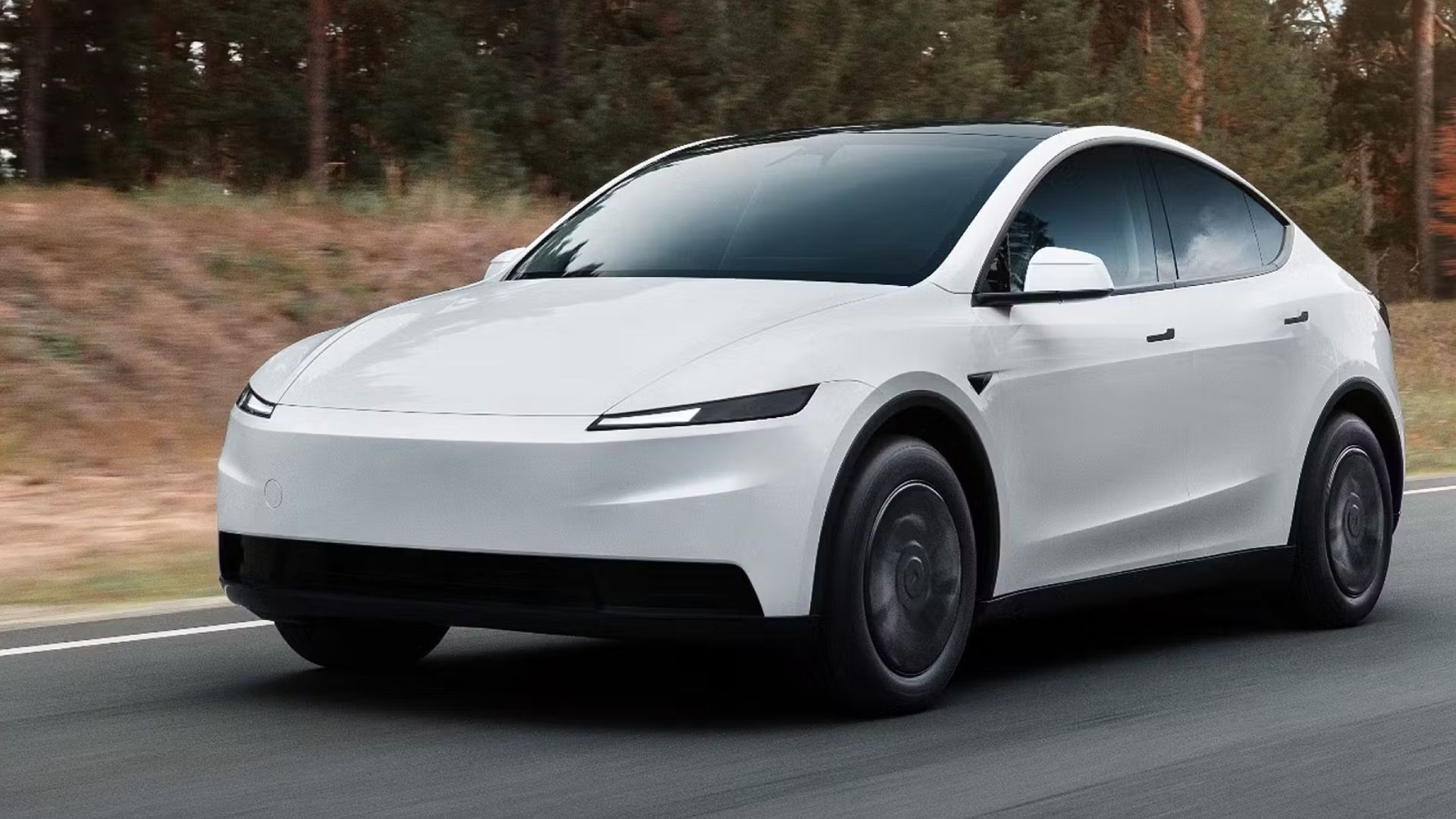
The two companies occupy distinct yet complementary competitive spaces. Tesla remains a benchmark for premium and mid-tier electric sedans and crossovers, maintaining pricing flexibility through targeted adjustments. Meanwhile, BYD’s vertical integration strategy allows the firm to scale production efficiently and offer competitive pricing structures that pressure legacy automakers worldwide.
This duopoly is reshaping industry norms, compelling traditional European, American, and Asian automotive groups to accelerate their own electrification timelines. Analysts note that heritage brands are increasingly forced to re-engineer supply chains and lower battery production costs to compete effectively against these established electric specialists.
Regulatory Pressures and Future Market Dynamics
Looking ahead, the trajectory of the electric vehicle sector will depend heavily on upcoming regulatory milestones and infrastructure deployment rates. Governments across major economies continue to refine their long-term phase-out dates for combustion-engine sales, maintaining pressure on automakers to transition capital expenditure toward zero-emission platforms.
At the same time, supply chain resilience remains a central focus for industry executives. Securing stable access to critical raw materials—such as lithium, cobalt, and nickel—will dictate whether manufacturers can sustain price reductions and meet anticipated demand spikes in the coming quarters. Stakeholders await upcoming regulatory compliance reviews and quarterly financial disclosures to gauge the medium-term stability of this growth phase.
Readers seeking official updates on European registration statistics and global energy market forecasts can consult publications from the International Energy Agency (IEA) and official transport ministry data releases across participating member states.
Please share your thoughts in the comments below.
Keep reading