
Gaming enthusiasts are increasingly embracing a diverse range of genres, moving away from restrictive playing habits to explore everything from high-intensity shooters to meditative simulation titles. This shift reflects a broader trend in the medium where players prioritize eclectic experiences over singular genre loyalty, according to recent observations in gaming community discourse. By sampling varied mechanics—whether managing complex supply chains in strategy games or experiencing narrative-driven indie titles—gamers are finding that the value of the hobby lies in the breadth of its offerings.
The modern gaming landscape has evolved to accommodate this demand for variety, as developers continue to release titles that challenge traditional definitions of play. As noted by industry analysts, the ability to transition between drastically different virtual environments allows players to maintain engagement across an ever-expanding catalog of digital content. This article explores why diversifying your gaming library is essential for a well-rounded experience and how the current market supports this exploratory approach.
The Evolution of Modern Gaming Tastes
Unlike other entertainment sectors where audiences may remain siloed within specific niches, such as music listeners sticking to pop or film fans avoiding particular genres, the contemporary gamer frequently crosses these boundaries. This behavior is supported by the rise of digital distribution platforms like Steam, which provide immediate access to a vast, global library of titles. According to data provided by Valve, the digital storefront serves millions of users daily, facilitating a culture where experimentation is both encouraged and financially accessible through frequent sales and subscription services like PC Game Pass or PlayStation Plus [Valve Corporation].
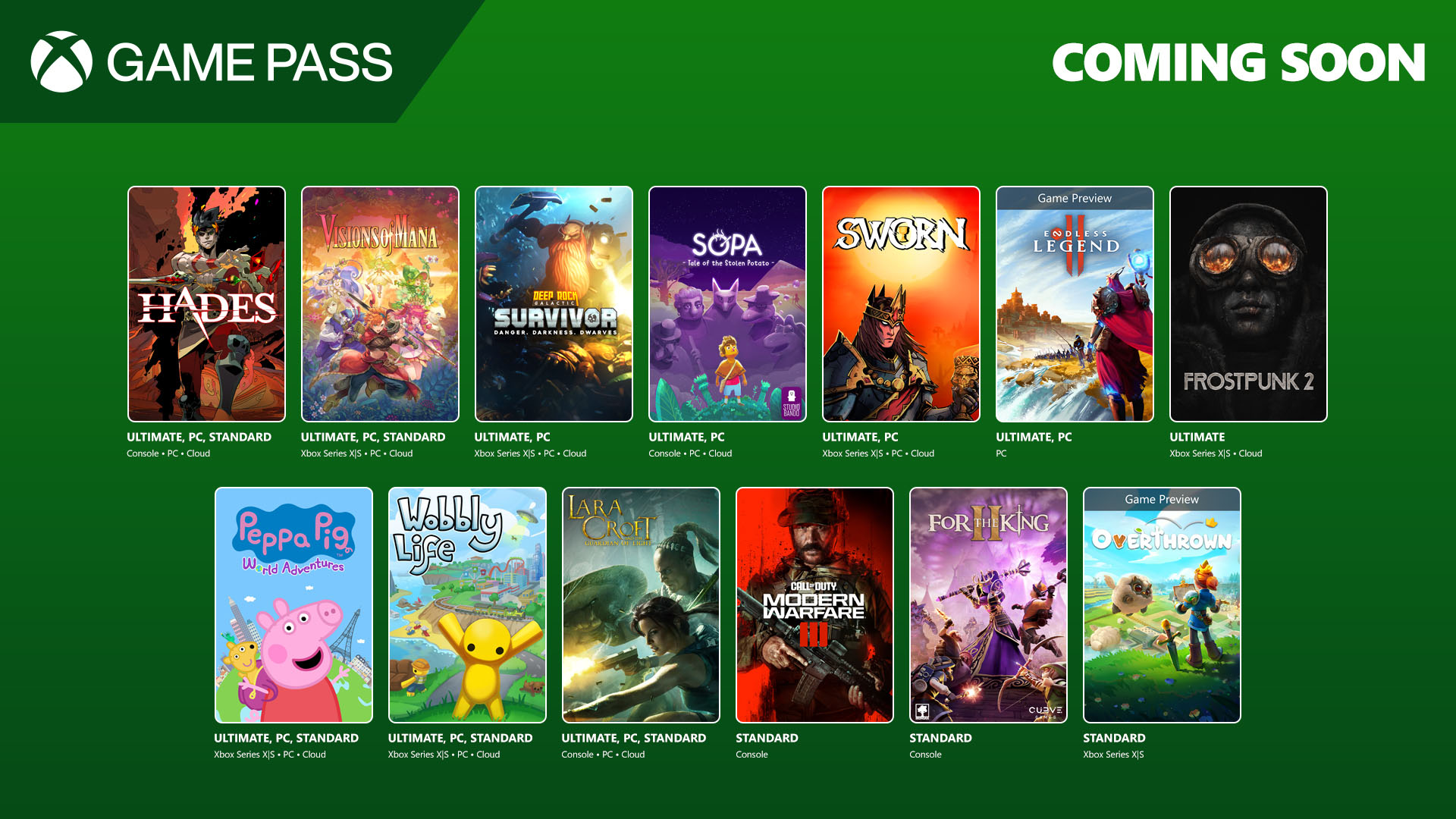
This eclectic consumption pattern means that a single player might spend their afternoon managing a resource-heavy factory simulation and their evening playing a minimalist, narrative-focused adventure game. The psychological benefit of this variety is significant; it prevents burnout and keeps the medium feeling fresh. When players engage with disparate mechanics—such as the precision required in a competitive shooter versus the creative freedom found in construction or management sims—they develop a more nuanced appreciation for game design, narrative structure, and user interface innovation.
Why Genre Diversity Matters
Testing new waters in gaming is more than just a preference; it is a way to understand the full spectrum of interactive art. When a player steps outside their comfort zone, they often discover mechanics or storytelling techniques they never knew they enjoyed. For instance, the popularity of “cozy” games—titles that emphasize relaxation, such as Stardew Valley or PowerWash Simulator—has demonstrated that there is a massive appetite for low-stress, high-satisfaction gameplay that stands in stark contrast to the competitive multiplayer titles that dominated the industry for years [GamesIndustry.biz].

Furthermore, developers are increasingly blurring the lines between genres to create hybrid experiences. A game might feature the inventory management of an RPG, the movement mechanics of a platformer, and the narrative depth of a visual novel. By playing across genres, gamers are better equipped to recognize these innovations and understand the complex “juggling act” that developers perform to balance story, art, and user experience. This broad exposure is what drives the industry forward, as players provide feedback that encourages studios to take risks rather than sticking to proven, formulaic designs.
Approaching New Titles with an Open Mind
One of the most persistent challenges for any gamer is managing expectations when trying a new genre. It is common for players to rely heavily on critical reviews or community sentiment before committing time and money to a new title. However, as independent studios like Beethoven and Dinosaur have shown with projects like The Artful Escape, niche or unconventional games can offer profound experiences that traditional review metrics might not fully capture [Metacritic]. By approaching these titles without the baggage of genre-specific expectations, players are often rewarded with unique, memorable moments.
The key to enjoying a diverse library is to treat each game on its own merits. If a title does not resonate, it does not mean the genre is flawed; it simply means that particular experience was not a match for the player’s current mood or preference. This adult approach to gaming—recognizing that “it was good if you like that sort of thing” is a perfectly valid critique—helps maintain a healthy relationship with the medium. It allows players to curate their own experiences, ensuring that their time remains a source of enjoyment rather than a source of frustration.
What Happens Next in the Gaming Landscape
The industry is currently in a state of rapid change, with major publishers and independent developers alike navigating the challenges of rising development costs and shifting consumer attention. As we look toward future releases, the trend of genre-blending and the demand for shorter, more focused experiences are expected to continue. Players can expect to see more titles that prioritize “vibe” and atmosphere alongside traditional gameplay mechanics, reflecting the success of recent indie hits that have captured global attention without the massive budgets of traditional AAA titles [Polygon].

For those looking to expand their horizons, the best approach is to keep an eye on upcoming indie showcases, such as the various digital festivals hosted on platforms like Steam or during the annual Summer Game Fest. These events are the primary venues where new, experimental titles are introduced to the public. Engaging with these platforms ensures that you remain part of the evolving conversation in gaming, keeping your library fresh and your perspective broad. We encourage readers to share their own experiences with stepping outside their favorite genres in the comments below—what was the last game that surprised you?
Worth a look