
In an era where healthcare delivery is inextricably linked to digital infrastructure, cyber resilience must be treated as a clinical imperative rather than a mere IT department task. Leading experts, including John Riggi of the American Hospital Association (AHA) and Dr. Kathleen Walders of The Joint Commission, argue that hospitals require a single, accountable executive—such as a Chief Information Security Officer (CISO) reporting directly to the C-suite—to ensure patient safety during prolonged network outages. This shift in governance is critical because modern medical care, from electronic health records to diagnostic imaging, cannot function without consistent, secure digital access.
When a hospital’s network goes dark, the impact is immediate and potentially life-threatening. For clinicians, the challenge is not just about restoring data; it is about maintaining patient care continuity for days or even weeks without digital support. According to the American Hospital Association, cyberattacks on the healthcare sector have surged in frequency and complexity, often targeting the very systems that sustain inpatient care. As these threats evolve, the traditional model of delegating cybersecurity to IT staff is increasingly viewed as insufficient by industry leaders.
The Case for C-Suite Accountability
The core issue is one of organizational priority. Too often, cybersecurity is siloed within the IT department, separated from the strategic discussions that define hospital operations and patient safety protocols. By appointing a single executive who is directly accountable to the governing board and the CEO, healthcare systems can integrate cyber resilience into their broader emergency management plans. This person acts as the bridge between technical vulnerability and clinical reality, ensuring that downtime procedures are not just written on paper but are regularly tested by the medical staff who rely on them.

The Joint Commission emphasizes that emergency management standards require hospitals to have a plan for managing disruptions to essential services. When those services rely on a network that has been compromised, the recovery plan must account for clinical workflows, medication administration, and patient monitoring. A dedicated executive ensures these technical dependencies are clearly understood by clinical leadership, transforming cybersecurity from a back-office problem into a front-line safety requirement.
Beyond the IT Department
A frequent mistake in hospital leadership is viewing a ransomware attack or a system outage as a temporary technical glitch. However, for a patient in the intensive care unit, a network outage is a clinical event. When systems fail, the ability to access patient history, lab results, and pharmacy orders disappears. According to the Cybersecurity and Infrastructure Security Agency (CISA), the healthcare sector remains a prime target for malicious actors, necessitating a holistic approach to risk management that includes clinical input.
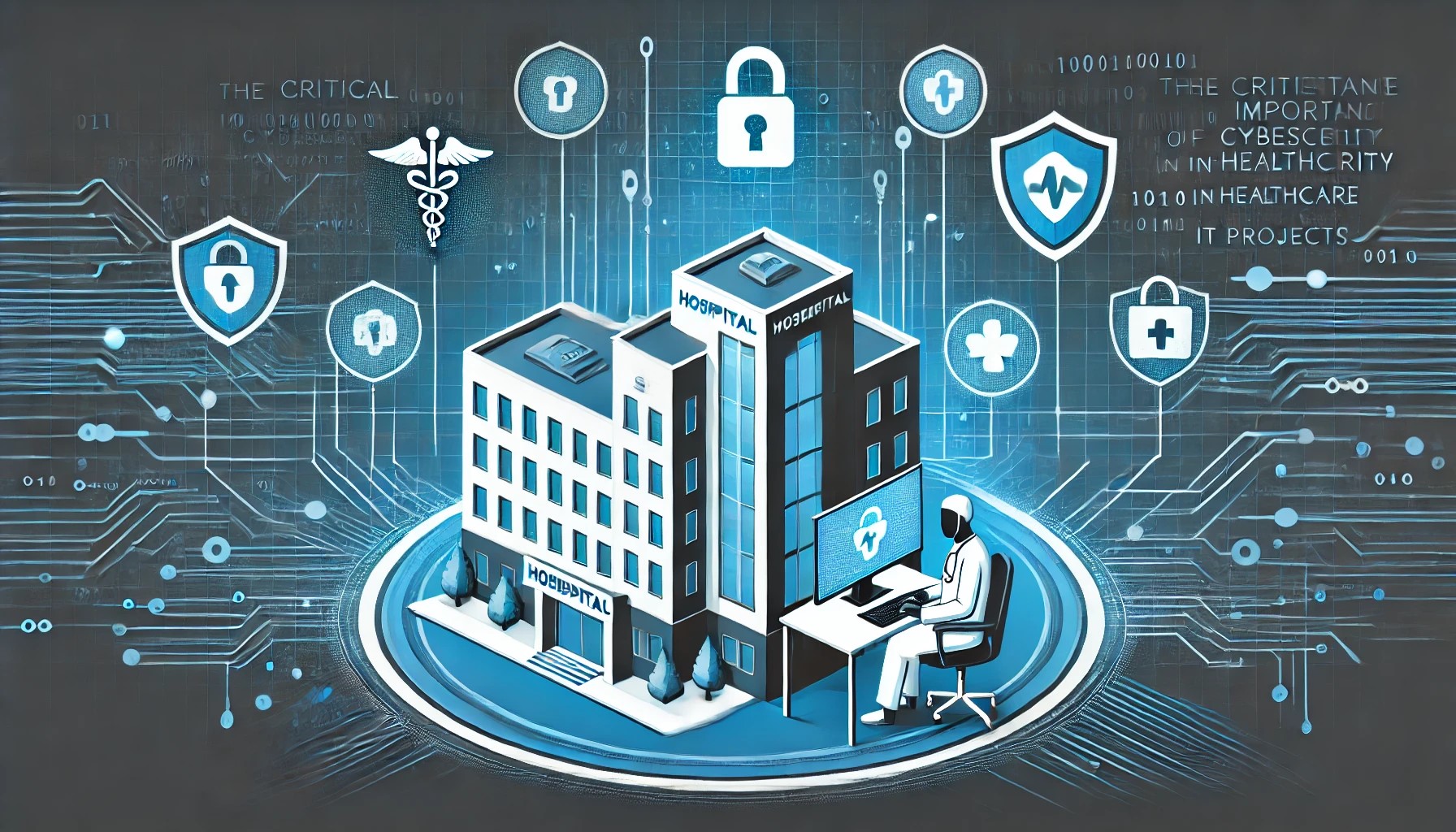
To build genuine resilience, hospitals must move toward a model where the CISO or an equivalent accountable lead works in tandem with the Chief Medical Officer (CMO) and Chief Nursing Officer (CNO). This collaborative approach ensures that downtime protocols are practical. For instance, if a system goes down, do clinicians have a verified, manual way to track patient vitals and medication dosage? The answer to this question must be owned by an executive with the authority to mandate training and allocate resources across the entire health system.
Developing a 30-Day Resilience Strategy
The ultimate test of a hospital’s cyber resilience is whether it can continue to provide safe patient care for an extended period—potentially 30 days—while systems remain offline. This requires more than just data backups; it requires operational agility. Hospitals must maintain “analog” alternatives for critical functions, including paper charting systems and offline access to essential patient information. These strategies must be audited as rigorously as any other clinical protocol.
The U.S. Department of Health and Human Services (HHS) provides guidelines on security risk analysis, but individual systems must take the initiative to turn these guidelines into actionable, daily practice. This involves rigorous simulation exercises where staff practice operating without digital tools. By holding a single executive accountable for these outcomes, health systems can ensure that the “network dark” scenario is treated as a manageable emergency rather than a catastrophic failure.
Looking Ahead
As the healthcare landscape continues to digitize, the pressure on boards of directors to oversee cyber risk will only increase. Future regulatory discussions are expected to focus heavily on how health systems demonstrate their preparedness for prolonged outages. For hospital administrators, the time to move beyond reactive IT fixes is now. By establishing clear, executive-level accountability, health systems can protect their most valuable assets: the patients who rely on them for continuous, safe care.
For those interested in the latest updates on institutional preparedness, the AHA cybersecurity advisories page provides ongoing briefings on current threats and mitigation strategies. As the industry evolves, keeping these lines of communication open between technical teams and clinical leadership will remain the most effective defense against the next major disruption. We encourage our readers to share their perspectives on how their own systems are preparing for these challenges in the comments section below.
Worth a look