Homeowners seeking the best home insurance deals in June 2026 are turning to digital comparison tools to navigate a market influenced by rising property values and increased climate-related risk assessments. According to data from the Istituto per la Vigilanza sulle Assicurazioni (IVASS), the Italian insurance market remains highly sensitive to regional variations in risk, making price transparency a critical factor for policyholders looking to optimize their coverage costs.
As of June 2026, finding competitive rates requires a clear understanding of how insurers calculate premiums based on geographic location, building materials, and the presence of safety systems. Consumers utilizing comparison platforms, such as Segugio.it, are primarily focused on balancing mandatory coverage—often required by mortgage lenders—with supplemental protections against natural disasters, which have become a focal point for both regulators and the insurance industry.
Factors Influencing Home Insurance Costs in 2026
Insurance premiums are determined by a complex matrix of risk factors that insurers assess at the individual property level. The Associazione Nazionale fra le Imprese Assicuratrici (ANIA) reports that property age, seismic vulnerability, and proximity to flood-prone areas are the most significant variables in current pricing models. For a homeowner, this means that even small upgrades, such as installing modern fire suppression systems or reinforced security doors, can lead to measurable adjustments in annual premium quotes.
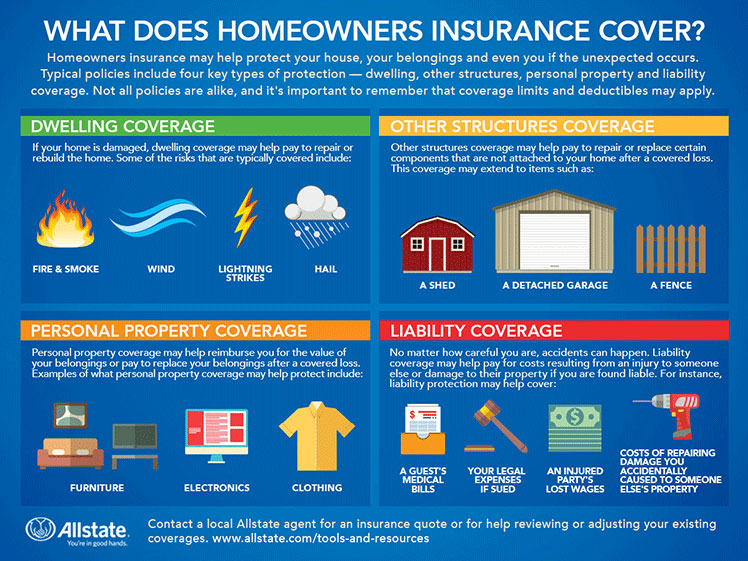
Beyond physical property characteristics, the financial structure of the policy—specifically the deductible, or franchigia—plays a decisive role in the final cost. By opting for a higher deductible, policyholders can often reduce their immediate annual premium, though this shifts more financial responsibility onto the homeowner in the event of a claim. Financial analysts recommend that homeowners verify their specific policy exclusions carefully, as many standard base policies do not include coverage for secondary structures or specific types of water damage unless explicitly added via a rider.
Navigating Digital Comparison Tools
Digital brokerage platforms have transformed how Italian consumers approach insurance by aggregating quotes from multiple providers into a single interface. These tools allow users to input property data once and receive a list of competing offers tailored to their specific needs. However, the Autorità Garante della Concorrenza e del Mercato (AGCM) advises consumers to ensure that the comparison site is transparent about its revenue model, noting that some sites may prioritize certain insurers based on referral agreements rather than purely objective price metrics.

To use these tools effectively, experts suggest having the following documentation ready:
- The cadastral data (dati catastali) of the property to ensure accurate valuation.
- Details on the square footage and the year of construction.
- Information regarding any pre-existing security systems, such as alarms or monitored surveillance.
- A copy of the current policy, if renewing, to facilitate a direct “apples-to-apples” comparison of coverage limits.
The Role of Preventative Security
Investing in home insurance is increasingly viewed not just as a financial hedge, but as a commitment to collective risk management. Recent trends show that insurers are offering more generous discounts to homeowners who participate in “smart home” initiatives. According to industry reports, properties equipped with IoT-connected water leak detectors and fire sensors are statistically less likely to result in catastrophic insurance claims, a fact that providers are increasingly incorporating into their actuarial models.
This shift reflects a broader European trend toward incentivizing loss prevention. By mitigating risks before they materialize, homeowners contribute to the stability of the insurance pool, which in turn helps keep premiums more predictable for the broader community. For those looking to secure the best rates this June, inquiring about “prevention discounts” during the quote process is a recommended step that is often overlooked.
Next Steps for Policyholders
Homeowners currently in the market for new coverage should monitor the latest bulletins from IVASS, which periodically updates its guidance on consumer protection and standard policy requirements. Before finalizing any agreement, ensure you have reviewed the Set Informativo—the legally mandated document that outlines all coverage limits, exclusions, and the specific terms of the insurance contract.
Regular reviews of your insurance needs are advised at least annually or following any major home renovation. As the market evolves throughout the remainder of 2026, staying informed through official regulatory channels will remain the most reliable way to ensure your coverage remains both adequate and cost-effective. We encourage readers to share their experiences with digital comparison tools in the comments section below to help others in the community make well-informed decisions.
Related reading