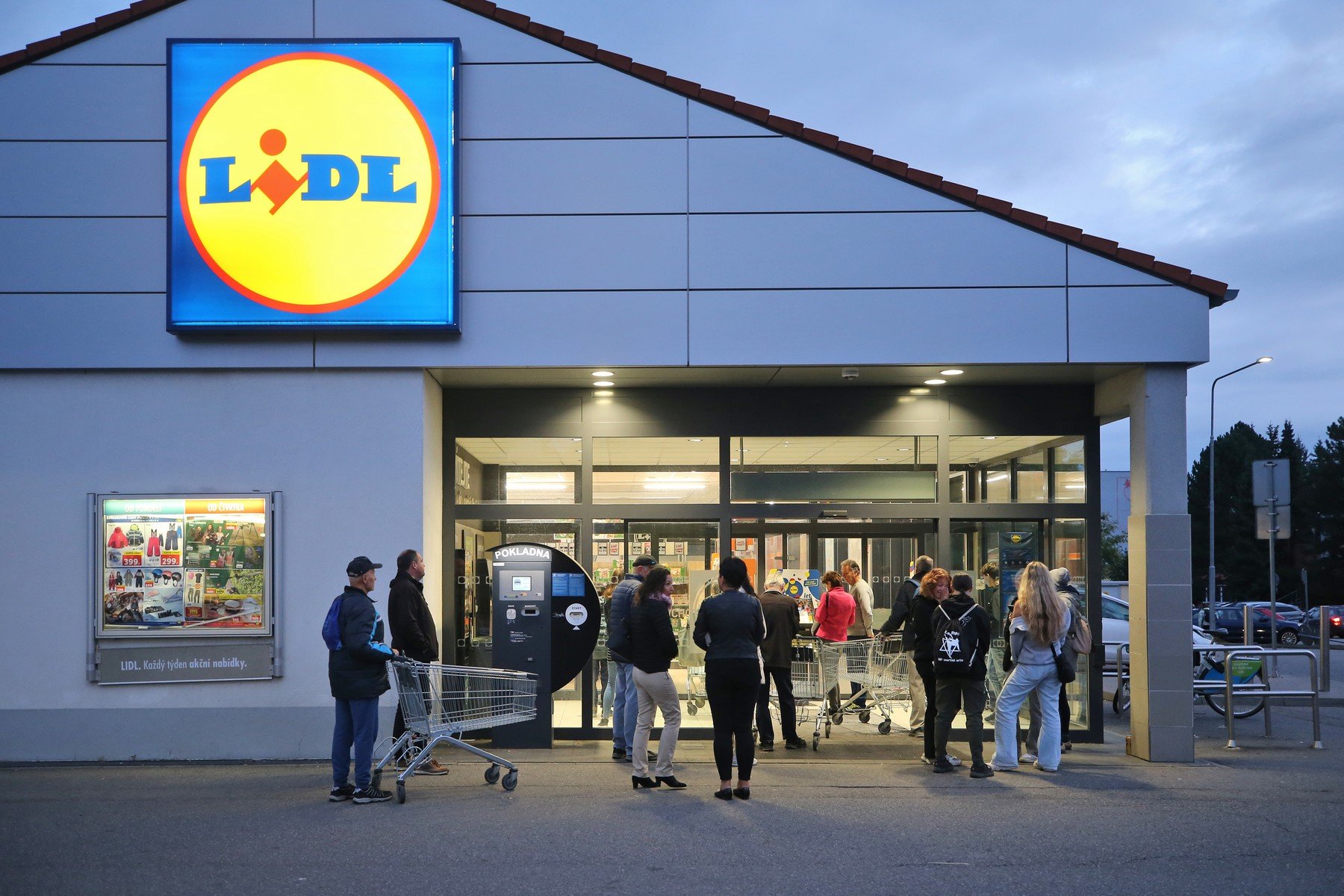
Lidl is widely regarded as a global juggernaut of the discount retail sector, known for its aggressive expansion and an uncanny ability to disrupt established markets. From Central Europe to the United States, the German retailer typically enters a new territory and quickly captures market share through a combination of lean operations and competitive pricing. However, every empire has its limits, and for Lidl, that limit was found in the rugged terrain and protective policies of Norway.
The Lidl failure in Norway stands as a rare anomaly in the company’s corporate history. While the retailer has faced challenges in various jurisdictions, the Norwegian experience is unique. it represents the first—and according to available data, the only—instance where the company completely withdrew from a national market after attempting to establish a foothold. This exit was not the result of a simple operational miscalculation, but rather a collision with a deeply entrenched system of national protectionism and a powerful culture of consumer patriotism.
Understanding why a retail giant with nearly unlimited resources could not penetrate the Norwegian market requires a glance beyond the balance sheets. The failure was driven by a combination of strict agricultural mandates, a strategic national drive toward food self-sufficiency, and a consumer base that views purchasing local produce as an act of national pride.
The Shield of Protectionism: Agricultural Policy and Customs
The primary obstacle for foreign retail chains in Norway is the country’s rigorous agricultural policy. Norway employs a sophisticated system of customs protection designed specifically to shield domestic farmers from international competition. For a company like Lidl, whose business model relies heavily on the efficient sourcing of low-cost goods from a global supply chain, these barriers are devastating.

Customs protections act as a financial wall, making imported goods significantly more expensive than locally produced alternatives. While this policy serves as a lifeline for Norwegian farmers, it acts as a direct antagonist to foreign discounters. By inflating the cost of imports, the Norwegian government effectively ensures that domestic retail chains—which are deeply integrated with local producers—maintain a competitive edge that cannot be overcome by simple price-cutting strategies.
The Power of National Identity: The NYT Norge Brand
Beyond the legal and financial barriers of customs, Lidl encountered a psychological barrier: the unwavering loyalty of the Norwegian consumer. In Norway, food shopping is often viewed through the lens of patriotism. This sentiment is codified in the “NYT NORGE” brand (translated as “Enjoy Norway” or “Enjoy Norwegian Tastes”).
The NYT Norge label serves as a powerful magnet for shoppers, symbolizing quality and national pride. The scale of this domestic preference is significant, with the brand being utilized by more than 5,000 Norwegian products sourced from 128 different suppliers. For many Norwegians, the presence of this label outweighs the allure of lower prices. Even in categories where imported fruits and vegetables are cheaper, a substantial portion of the population continues to prioritize domestic goods as a matter of principle.
Strategic Self-Sufficiency and Market Dominance
Norway’s resistance to foreign retail influence is also a matter of national security and strategy. The Norwegian state and its citizens have aligned behind a strategic goal to increase food self-sufficiency, which currently sits between 40% and 50%.
This drive for independence has created a market where domestic producers dominate the most essential food categories. Norway has achieved high levels of self-sufficiency in several key areas, including:
- Dairy and Eggs: Domestic production meets the vast majority of demand.
- Meat: The country is largely self-sufficient in beef, pork, and chicken.
- Seafood: As a global leader in fishing, Norway’s internal market for fish and seafood is almost entirely domestic.
Because the domestic supply chain is so robust and politically protected, foreign entities like Lidl find it nearly impossible to secure the same terms or pricing as local incumbents. The synergy between the government’s self-sufficiency goals and the consumers’ desire to “buy Norwegian” created an environment where the traditional “discount” model simply could not survive.
Key Takeaways from the Norwegian Market Exit
| Factor | Impact on Foreign Retailers | Norwegian Context |
|---|---|---|
| Customs Protection | Increases cost of imported goods | Designed to protect local farmers from global competition |
| Consumer Behavior | Reduces effectiveness of low-price lures | High patriotism tied to the NYT Norge brand |
| Supply Chain | Limits access to competitive sourcing | Strategic goal of 40-50% food self-sufficiency |
| Market Entry | Creates a high barrier to entry | Dominance of domestic chains in meat, dairy, and fish |
The departure of Lidl from Norway serves as a critical case study in international business. It demonstrates that even the most successful global strategies can be neutralized by a combination of state-level protectionism and a strong national identity. In the battle between global efficiency and national sovereignty, Norway’s commitment to its own producers proved to be the deciding factor.
You’ll see currently no confirmed reports or official announcements regarding a renewed attempt by Lidl to enter the Norwegian market. The company continues to focus its expansion efforts on markets with more open trade policies and different consumer dynamics.
Do you think national protectionism is a viable strategy in a globalized economy, or does it ultimately hurt the consumer? Share your thoughts in the comments below.
Related reading