
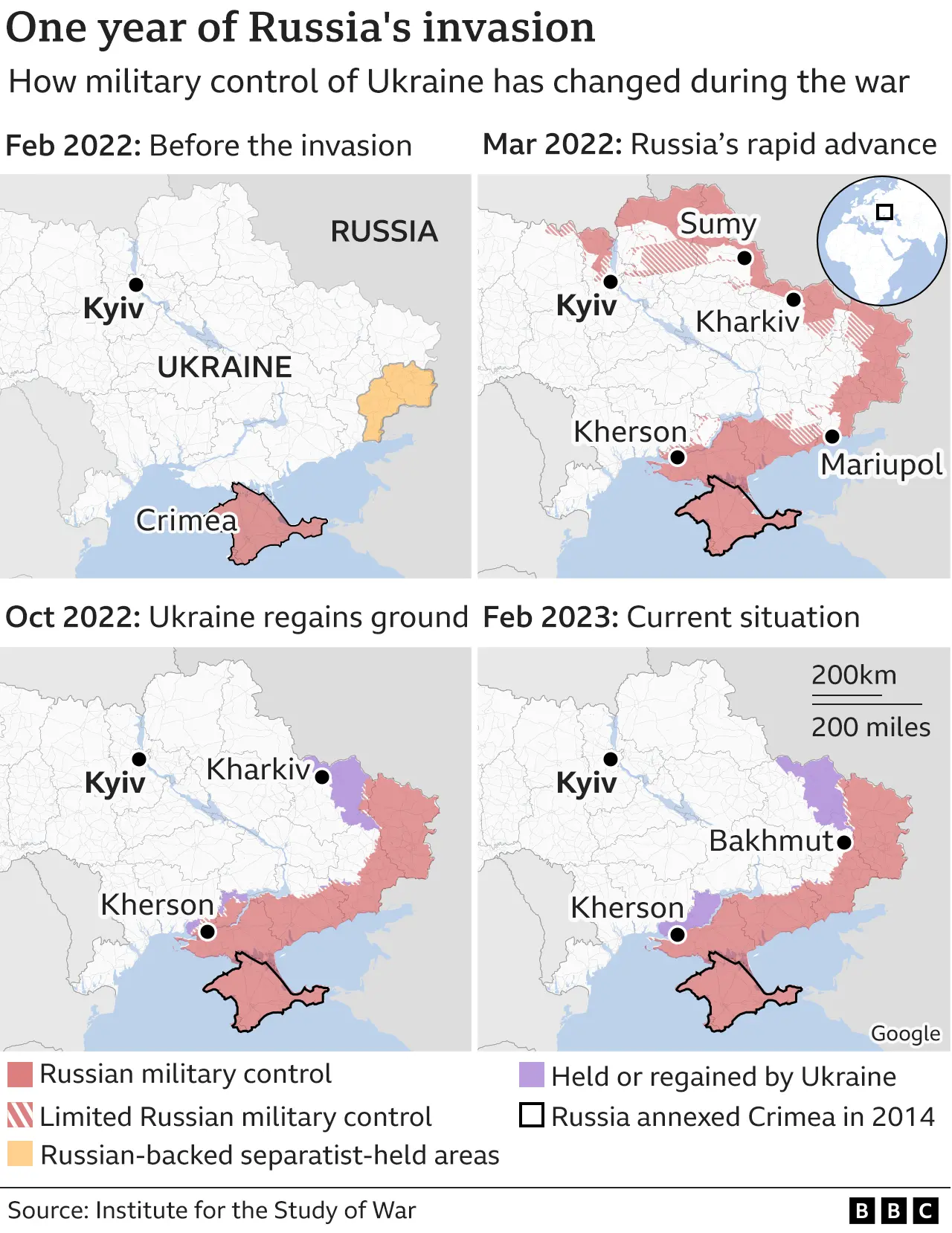
The strategic position of the Crimean Peninsula has emerged as a central focal point in the ongoing Russia-Ukraine war, with analysts increasingly describing the potential loss of the territory as a significant vulnerability for the Kremlin. Military experts suggest that the continued defense and potential liberation of Crimea have evolved from a secondary objective into a decisive factor for regional stability and the political durability of the current Russian administration.
The original stated objective of the 2022 invasion—often described as the “demilitarization” of Ukraine—has produced a result that observers characterize as the opposite of the Kremlin’s intended outcome. According to the Atlantic Council, the conflict has resulted in Russia facing one of the strongest armies instead of demilitarization. Instead of a neutral buffer zone, Russia now faces a highly capable military force along its border.
The Strategic Significance of the Crimean Peninsula
Crimea remains a critical hub for Russian forces. The loss of the peninsula could be fatal for the Russian regime, and it is a decisive battlefield. The vulnerability of the Kerch Bridge limits the ability of the Russian military to sustain operations.

Shifting Security Dynamics in Eastern Europe
Beyond the immediate battlefield, the geopolitical consequences of the invasion have been profound. Within the context of the war, Ukraine’s focus on Crimea is not merely territorial but existential.
Political Implications for the Russian Administration
The endurance of the current Russian regime has been tied to its ability to maintain control over territories. Political scientists observing the region suggest that a failure to secure or hold Crimea could have internal ramifications for the leadership in Moscow. The loss of the peninsula may be fatal for the Russian regime.
Looking Ahead: The Next Phase of Conflict
The trajectory of the war remains heavily influenced by the availability of international military aid. As both sides prepare for potential long-term operations, the status of Crimea will likely remain a primary indicator of the conflict’s broader success or failure.
As international observers continue to monitor the situation, we invite our readers to participate in the conversation by sharing their perspectives on the evolving geopolitical landscape in the comment section below.