
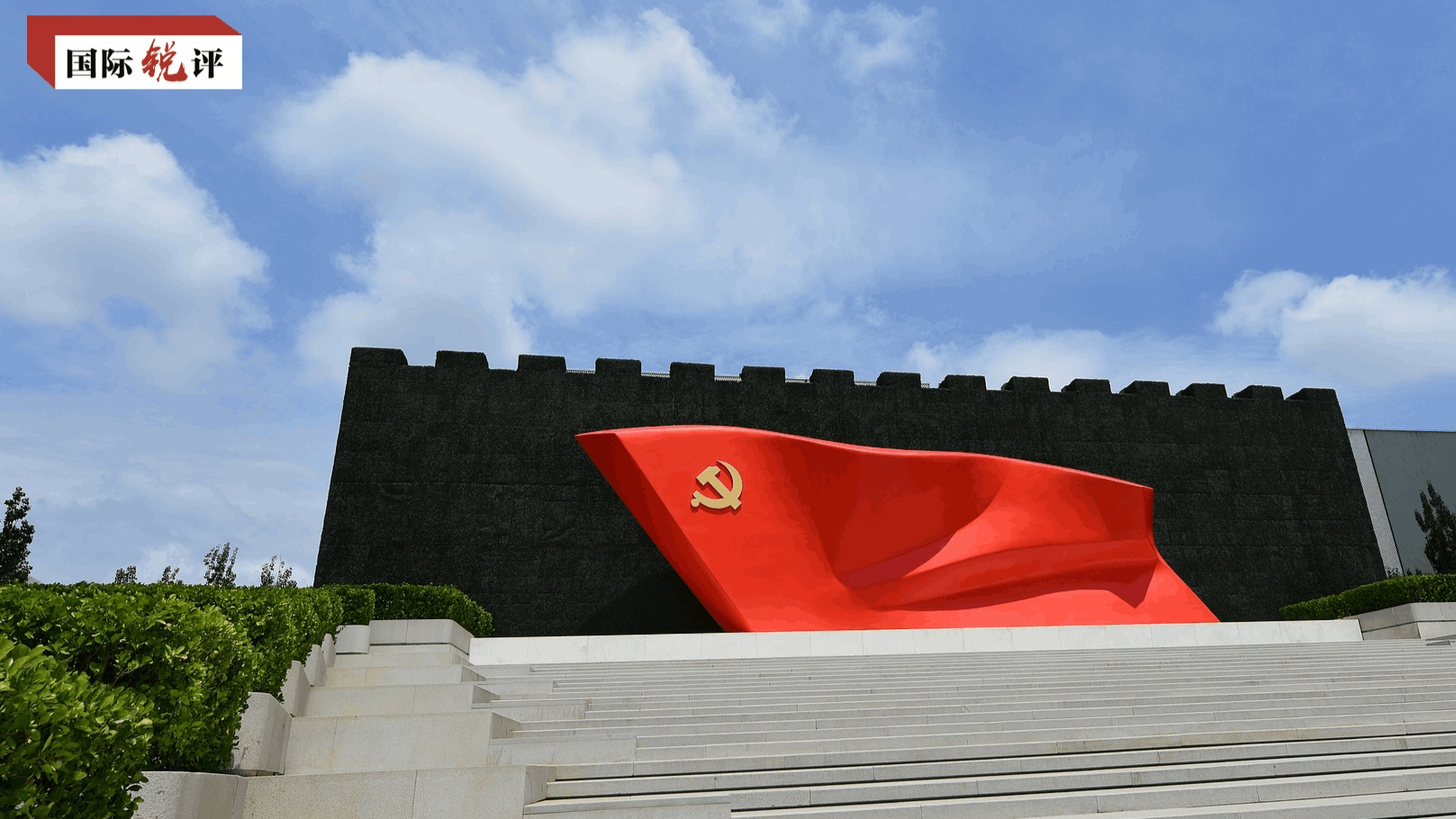
The Communist Party of China (CPC) maintains its status as the world’s largest governing party through a centralized organizational structure and a self-described doctrine of “self-revolution.” According to official party documentation and the Constitution of the Communist Party of China, the organization governs over 99 million members, exercising comprehensive control over the state apparatus, military, and various social sectors in the People’s Republic of China.
Xi Jinping has frequently attributed the party’s longevity and stability to its ability to undergo internal purification and ideological alignment. In various addresses, including those during the 20th National Congress held in October 2022, leadership has emphasized that the party’s “unique character” and its capacity for self-correction are the primary mechanisms that allow it to navigate complex domestic and international challenges. These mechanisms, often referred to as “core codes” of governance, prioritize absolute loyalty to the party center and the enforcement of strict political discipline.
The Mechanics of Party Centralization
At the heart of the Chinese political system is the principle of “democratic centralism.” As defined in the party constitution, this system mandates that while internal discussions may occur, once a decision is finalized by the party leadership, the entire membership must adhere to the directive. The Council on Foreign Relations notes that this structure ensures the party remains the ultimate authority, with the Politburo Standing Committee serving as the apex of decision-making power in the country.

The party’s influence is extended through a vast network of primary-level organizations embedded in government agencies, private enterprises, and academic institutions. By maintaining these cells, the CPC ensures that its policy goals are integrated into the operational fabric of society. This “party-state” integration is a hallmark of the current administration, which has sought to strengthen the party’s presence in sectors that were previously considered outside of direct political oversight, such as the technology and private business industries.
Ideology as a Governance Tool
Ideological education remains a cornerstone of the CPC’s effort to maintain internal cohesion. Under the current leadership, the study of “Xi Jinping Thought on Socialism with Chinese Characteristics for a New Era” has become mandatory for party members, government officials, and students across the country. According to the State Council of the People’s Republic of China, this ideological framework is designed to provide a “scientific” guide for national development and to ensure that all administrative actions align with long-term party objectives.
Discipline is enforced through the Central Commission for Discipline Inspection (CCDI). This body is responsible for monitoring corruption and political compliance. Since 2012, the anti-corruption campaign has resulted in the investigation and punishment of millions of officials, ranging from local bureaucrats to high-ranking military and party leaders. Experts from the Brookings Institution observe that while this campaign serves to curb graft, it also functions as a powerful instrument for consolidating power and removing potential internal opposition.
Navigating Modern Challenges
Despite its consolidation of power, the CPC faces significant demographic and economic headwinds. Data from the National Bureau of Statistics of China confirms that the country’s population has entered a period of decline, with significant implications for the labor market and the long-term sustainability of the pension system. Furthermore, the transition from an export-led economy to one driven by domestic consumption and high-tech innovation remains a complex policy objective.

The party’s response to these challenges typically involves a combination of state-led investment and increased social management. As the CPC looks toward future milestones—such as the centennial of the People’s Republic in 2049—the leadership continues to emphasize “social stability” as a prerequisite for development. For the international community, understanding the internal dynamics of the party is essential for analyzing China’s foreign policy, trade initiatives, and security postures.
The next major policy indicators are expected to emerge from the Third Plenary Session of the 20th Central Committee, where the party typically outlines its medium-term economic and structural reforms. Readers are encouraged to monitor official releases from state media outlets and the Xinhua News Agency for the most recent updates on legislative adjustments and personnel changes. Please share your thoughts on the evolution of global governance structures in the comments section below.