
Pediatricians are increasingly advising parents to utilize sun protection sticks for children, citing their precision and portability as key factors in ensuring consistent UV coverage during summer months. These compact, wax-based formulations allow for targeted application on sensitive areas—such as the nose, ears, and around the eyes—where liquid lotions are frequently missed or wiped away. According to the American Academy of Dermatology (AAD), the most effective sunscreen is the one that a caregiver can apply consistently and thoroughly, making the ease of use offered by sticks a significant advantage in pediatric skin health.
As a physician, I frequently see the challenges parents face when trying to apply sunscreen to active, often resistant, young children. The shift toward stick-based protection represents a practical evolution in how we approach photoprotection for minors. By providing a medium that is less likely to run into the eyes—a common cause of irritation that leads children to rub off their protection—sticks help maintain a physical barrier against harmful UVA and UVB radiation, which is essential for reducing the long-term risk of skin damage as noted by the World Health Organization.
Why Pediatricians Favor Targeted UV Protection
The primary benefit of sun protection sticks lies in their physical structure. Unlike fluid lotions or sprays, which can be difficult to measure and apply evenly, sticks provide a visible, semi-solid layer that confirms coverage. Pediatric dermatologists emphasize that the “missed spots”—such as the tops of the ears, the bridge of the nose, and the delicate skin near the hairline—are high-risk zones for sunburns. Because these areas are prone to high sun exposure, ensuring they are adequately coated is a clinical priority.

Furthermore, the formulation of these sticks is often designed to be “tear-free” and water-resistant. The U.S. Food and Drug Administration (FDA) regulates sunscreen products as over-the-counter drugs, requiring that any claims of water resistance be supported by testing. For parents, this means a stick that stays on during swimming or sweating provides a reliable layer of protection that is less likely to migrate into the child’s eyes, thereby reducing the likelihood that the child will attempt to wipe it off.
Practical Application Strategies for Parents
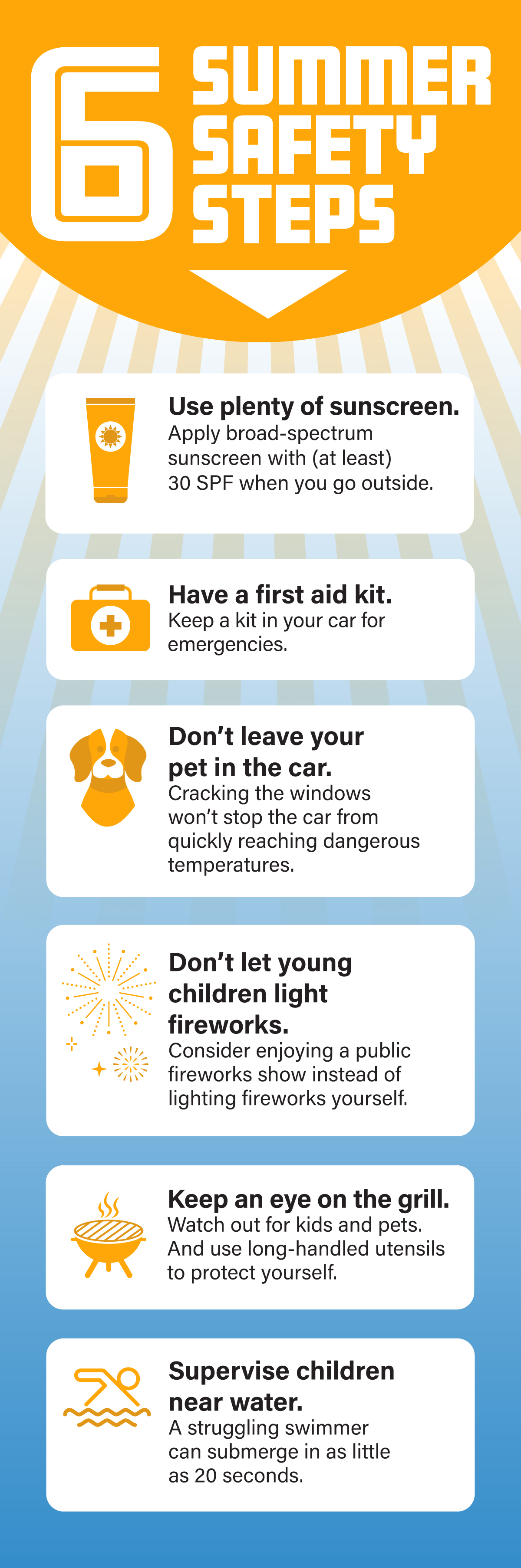
While sticks are excellent for targeted zones, they are not always the most efficient choice for large body surfaces like the back or legs. For comprehensive protection, health experts recommend a “layering” approach. A broad-spectrum, water-resistant lotion with an SPF of 30 or higher should be applied to the entire body, followed by the stick to reinforce high-exposure areas. This hybrid method ensures that no surface is left unprotected while maximizing the convenience of the stick format.
Clinical guidance remains consistent: sunscreen should be applied 15 to 30 minutes before sun exposure to allow the active ingredients to form an effective film on the skin. Reapplication is equally critical. The American Cancer Society recommends reapplying every two hours, or immediately after swimming or heavy perspiration, regardless of the product’s SPF rating. Because sticks are compact, they are particularly well-suited for reapplication in outdoor settings where carrying a bulky bottle may be impractical.
Addressing Common Concerns: Ingredients and Sensitivity
Parents often inquire about the safety of chemical versus mineral filters in sun protection products. Mineral-based sticks, which typically contain zinc oxide or titanium dioxide, are often favored for children with sensitive skin because they sit on the surface of the skin and reflect UV rays, rather than being absorbed. These ingredients are generally well-tolerated and provide immediate protection upon application.

When selecting a product, always check for the “Broad Spectrum” label. This indicates that the product protects against both UVA rays, which contribute to premature aging and skin damage, and UVB rays, which are the primary cause of sunburns. For the most up-to-date information on product safety and regulatory standards, parents should consult the Environmental Working Group’s (EWG) guide, which tracks ingredient safety and efficacy ratings for various sunscreen formulations annually.
Next Steps for Summer Safety
As we head into the peak summer months, the best strategy is to combine sunscreen use with other protective measures. This includes seeking shade during peak UV hours—typically between 10 a.m. and 4 p.m.—and dressing children in UPF-rated clothing and wide-brimmed hats. These physical barriers provide a consistent level of protection that does not rely on the timing of reapplication.
The next official update regarding seasonal sun safety guidelines from major health organizations is expected in early spring of each year as UV indices begin to rise globally. If you have questions about specific product ingredients or your child’s skin sensitivity, consult your pediatrician during your next routine check-up. We encourage our readers to share their own experiences with sun protection routines in the comments section below, as peer-to-peer advice can be a valuable tool for families navigating summer health challenges.
Worth a look