
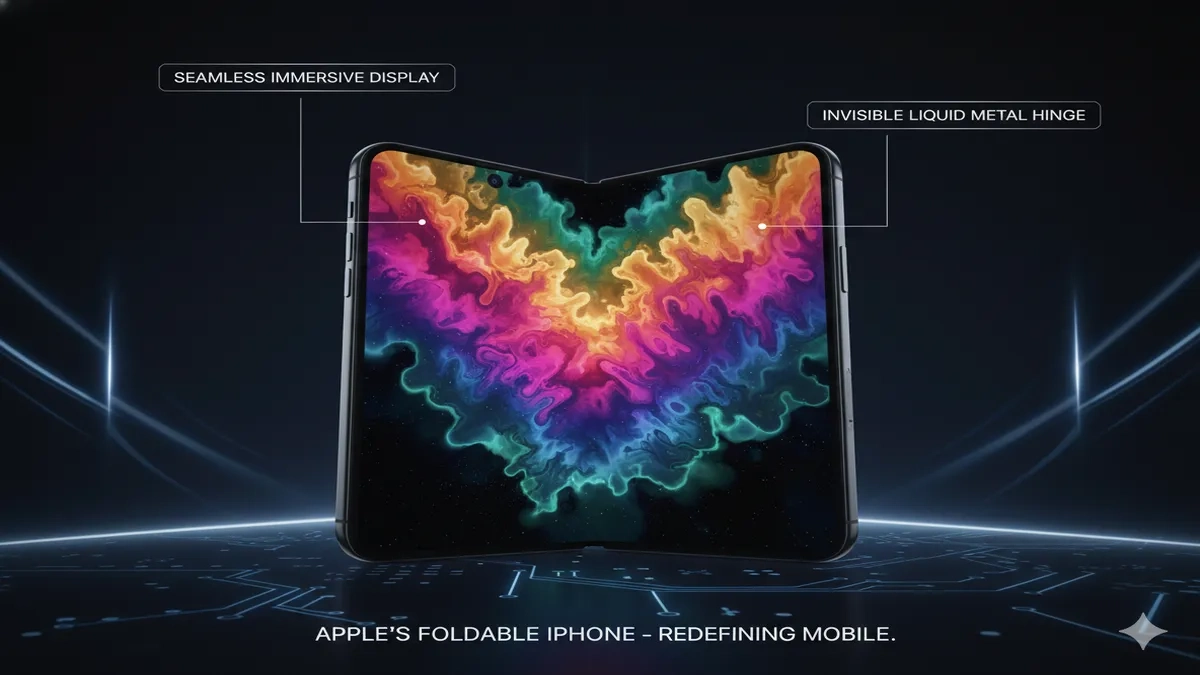
Recent discoveries within the iOS 27 beta software have intensified industry speculation that Apple is developing a foldable iPhone, as developers identified specific code references to display states and folding mechanisms. While Apple has not formally announced a foldable device, the inclusion of these parameters suggests the company is actively testing software architecture capable of supporting non-traditional, multi-display hardware configurations.
The code, surfaced by independent developers following the Worldwide Developers Conference (WWDC) 2026, includes explicit mentions of “fold-state” variables and adaptive display layouts that adjust based on device physical configuration. These findings align with long-standing industry rumors regarding Apple’s research into flexible organic light-emitting diode (OLED) technology. According to Apple’s official product disclosures, the company maintains a rigorous standard for hardware-software integration, meaning any software support for folding would likely precede or coincide with a significant hardware launch.
Software Foundations for Future Hardware
The iOS 27 beta serves as a primary indicator of Apple’s internal development priorities. By integrating “fold-state” logic into the core operating system, Apple engineers are creating a framework that allows the user interface to transition seamlessly between a compact, handheld mode and an expanded, tablet-like display. This approach mirrors the company’s historical strategy of refining software capabilities before introducing new hardware form factors, such as the introduction of iPadOS to differentiate tablet functionality from the iPhone.
Industry analysts have noted that the presence of these files does not guarantee an imminent product release. However, it indicates that the underlying software stack is being prepared for hardware that can detect its own physical position. This development is consistent with United States Patent and Trademark Office (USPTO) filings, which show Apple has secured multiple patents for hinge mechanisms and foldable screen protection technologies over the past several years.
Market Context and Competitive Landscape
The shift toward foldable devices has been a prominent trend among competitors for several years. Samsung, Google, and Motorola have already released multiple generations of foldable smartphones, establishing a market segment that prioritizes screen real estate without sacrificing portability. Apple’s potential entry into this space would represent a significant shift in its mobile strategy, moving beyond the traditional “slab” design that has defined the iPhone since its 2007 debut.
Market research data from International Data Corporation (IDC) indicates that while foldable phones remain a niche category compared to standard smartphones, the segment has shown consistent growth among premium consumers. Apple’s cautious approach to new hardware categories often involves waiting for component reliability—such as screen crease mitigation and battery longevity—to reach a threshold acceptable for mass-market adoption. By embedding these features into iOS 27, Apple may be signaling that it has reached a level of confidence in the underlying technology required for a foldable device.
What Developers and Users Should Expect Next
For the developer community, the inclusion of these parameters means that future versions of Xcode and SwiftUI will likely include simulation tools to test how applications behave when a device transitions between states. This is a critical step in the development lifecycle, as it ensures that third-party apps will function correctly on a foldable iPhone should one be released in the future. Apple typically provides documentation for new hardware capabilities during its developer sessions, which can be accessed through the Apple Developer portal.
The next major checkpoint for these rumors will be the fall product event or the subsequent developer conference, where Apple historically unveils its primary hardware updates. Until the company provides an official statement or a product demonstration, the “fold-state” references in iOS 27 remain the most concrete evidence of the company’s internal R&D direction. As of mid-2026, Apple has not provided a public roadmap for foldable hardware.
We will continue to monitor the iOS 27 release cycle for further code updates. Please share your thoughts in the comments section below, and stay tuned to our technology feed for the latest updates on Apple’s hardware developments.
Worth a look