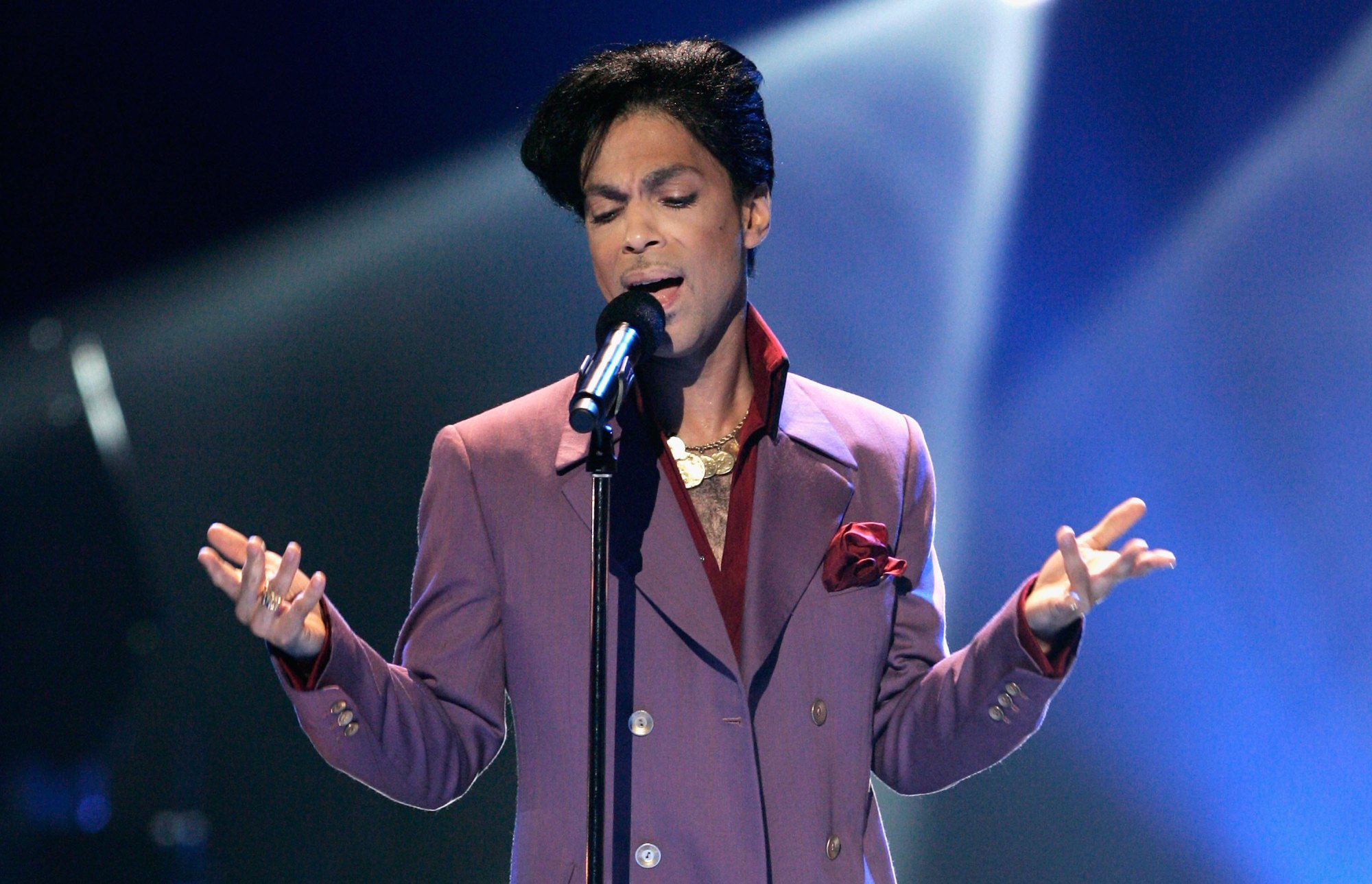
Prince Once Barred Madonna and Bruce Springsteen From His Dressing Room, Bandmate Reveals
The late musical icon Prince was known for his fierce privacy and exacting standards, traits that extended even to his inner circle of fellow superstars. According to longtime collaborator Bobby Z, the original drummer for Prince’s band The Revolution, the singer once denied access to his dressing room to both Madonna and Bruce Springsteen, forcing them to use the band’s restroom instead during a backstage encounter.
Bobby Z shared the anecdote in a 2026 interview with The Guardian, recalling a moment when two of the biggest names in music arrived backstage only to be turned away from Prince’s private space. “Prince’s dressing room was off limits to them, so they had to use the band’s toilet,” Bobby Z said, describing the incident as both humorous and telling of the artist’s discomfort with unannounced celebrity interactions.
The revelation offers a rare glimpse into Prince’s complex relationship with fame — a man who commanded global adoration yet often retreated from the remarkably spotlight he cultivated. While he collaborated with Madonna on the 1989 duet “Love Song” from her Like a Prayer album and later earned tributes from Springsteen after his death, Prince’s personal boundaries remained famously rigid.
A Star Who Felt Uneasy Among Stars
Despite his own superstar status, Prince reportedly found interactions with other celebrities awkward unless he was already a fan of their work. Bobby Z explained that the singer would often become “bashful or embarrassed” in such situations, preferring to keep his distance even when surrounded by legends.
“There could be huge stars, and he just wouldn’t give them the time of day,” Bobby Z recalled. “Besides shaking Elizabeth Taylor’s hand, I don’t know if he’d be interested in chatting.” This reticence stood in stark contrast to his rapport with artists he admired as equals, most notably David Bowie.
When Prince met Bowie at his Paisley Park estate in Minnesota, the encounter was markedly different. Bobby Z described it as a “warm moment” rooted in mutual respect, noting that Prince felt they were creative peers. The meeting underscored a key aspect of Prince’s personality: while he guarded his privacy fiercely, he reserved warmth and openness for those he viewed as artistic kindred spirits.
Prince’s Death and the Tributes That Followed
On April 21, 2016, Prince was found unresponsive in an elevator at his Paisley Park home in Chanhassen, Minnesota. He was 57 years classic. The official cause of death, as determined by the Midwest Medical Examiner’s Office, was an accidental overdose of fentanyl, a potent synthetic opioid found in counterfeit pills he had been taking for chronic pain.
The news sent shockwaves across the music world. In the days and weeks that followed, artists from every genre paid homage to the Minneapolis-born genius. Bruce Springsteen opened his Barclays Center concert in Brooklyn just days after Prince’s passing with a soulful cover of “Purple Rain,” later telling audiences, “Prince forever. God bless.”
Madonna, who had worked with Prince in the late 1980s, shared a heartfelt message on social media: “He changed the world! A true visionary! What a loss. I’m devastated. This is not a love song.” Her words echoed the sentiment of millions who saw Prince not just as a musician, but as a transformative cultural force.
Life in the ‘Purple Marines’: Playing With Prince
>Playing with Prince was like being in the Purple Marines. He might toughen you up or break you down, but he’d bring you to a place you didn’t think you had. In that moment, you might even turn into a superhuman like him.
Bobby Z similarly reflected on what it was like to perform alongside Prince during the height of his fame. Describing the experience as both grueling and transcendent, he likened it to military discipline — hence the nickname “Purple Marines.” According to Bobby Z, Prince’s demands pushed musicians to their limits, but often unlocked levels of performance they didn’t know they possessed.
“He might toughen you up or break you down, but he’d bring you to a place you didn’t think you had,” Bobby Z said. “In that moment, you might even turn into a superhuman like him.” The comment captures the duality of working with Prince: a leader who exacted perfection through intensity, yet inspired extraordinary artistry in return.
Legacy of Privacy and Artistic Integrity
Prince’s insistence on controlling his environment — from who entered his dressing room to how his music was released — was inseparable from his artistic identity. He famously changed his name to an unpronounceable symbol in the 1990s to protest his contract with Warner Bros., later releasing music independently through his own NPG Records label. His fight for creative autonomy became as legendary as his music.
Today, Paisley Park operates as a museum and tribute to his life and work, welcoming thousands of visitors each year. Yet the stories shared by those who knew him best — like Bobby Z’s account of turning away Madonna and Springsteen — remind fans that behind the genius was a deeply private man who navigated fame on his own terms.
As new generations discover his catalog, from “1999” to “Sign o’ the Times” to the enduring anthem “Purple Rain,” Prince’s legacy endures not only in his innovative sound but in the fierce independence with which he lived, and created.
For ongoing updates on Prince’s estate, music releases, or events at Paisley Park, visit the official website maintained by his heirs.
If you have memories of Prince’s music or reflections on his influence, we invite you to share them in the comments below. Help keep the conversation alive — and don’t forget to share this story with fellow fans.
Related reading