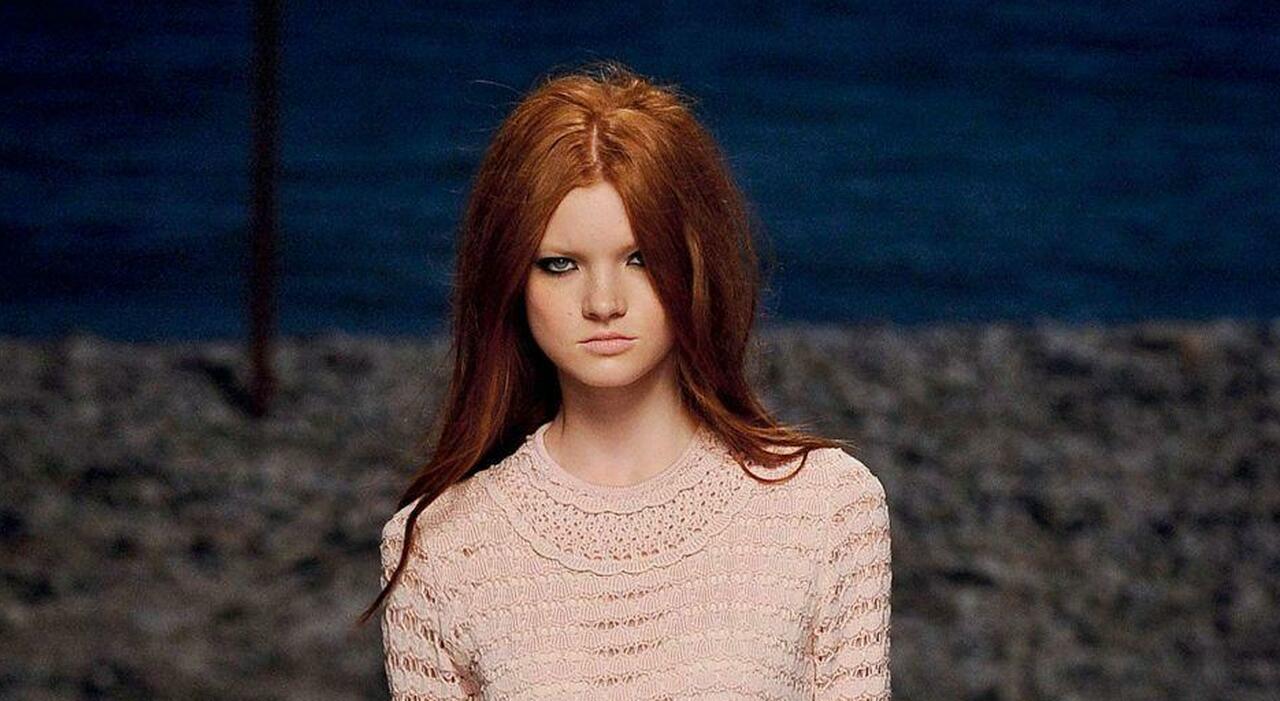
Red hair has long fascinated scientists and storytellers alike, appearing in myths, art, and family albums across the globe. Beyond its striking appearance, recent research suggests that the genetic variant responsible for red hair may have conferred a significant evolutionary advantage in certain environments—particularly in relation to vitamin D synthesis. This idea, rooted in human adaptation over the last 10,000 years, is gaining renewed attention as scientists explore how skin and hair pigmentation influenced survival in regions with limited sunlight.
The key player in this biological story is the MC1R gene, which regulates melanin production and determines skin and hair color. Variants of this gene are strongly associated with red hair, fair skin, and increased sensitivity to ultraviolet (UV) radiation. Even as these traits can increase the risk of sunburn and skin cancer in sunny climates, they may have been beneficial in higher latitudes where sunlight is scarce, especially during winter months. In such environments, the ability to produce vitamin D efficiently becomes critical for bone health, immune function, and reproductive success.
Vitamin D is synthesized in the skin when exposed to UVB radiation from sunlight. However, melanin—the pigment that darkens skin and hair—acts as a natural sunscreen, reducing the skin’s ability to produce vitamin D. Individuals with lighter skin, often linked to MC1R variants, can synthesize vitamin D more efficiently under low-UV conditions. This physiological advantage may have provided a selective edge in populations migrating into northern Europe after the last Ice Age, where sunlight intensity is significantly lower than in equatorial regions.
Genetic studies indicate that certain MC1R alleles associated with red hair became more common in European populations approximately 5,000 to 10,000 years ago, coinciding with the spread of agriculture and reduced dietary intake of vitamin D-rich foods like fatty fish and fortified products. As reliance on sunlight for vitamin D increased, natural selection may have favored lighter skin and hair variants that enhanced cutaneous vitamin D production. A 2016 study published in Nature found that signals of positive selection in the MC1R region are strongest in Central and Northern European populations, supporting the hypothesis that these variants were advantageous in low-sunlight environments.
Further evidence comes from epidemiological observations: populations with higher frequencies of red hair and fair skin, such as those in Scotland, Ireland, and parts of Scandinavia, also historically exhibit lower rates of rickets—a childhood bone disorder caused by severe vitamin D deficiency—despite limited dietary sources of the nutrient. While rickets rates have declined globally due to fortification and supplementation, historical patterns suggest a correlation between skin pigmentation, vitamin D status, and environmental adaptation.
the relationship between MC1R variants and vitamin D synthesis is not deterministic. Other genetic, dietary, and behavioral factors influence vitamin D levels, and having red hair does not guarantee optimal vitamin D status. The same variants that enhance vitamin D production in low-light settings increase the risk of UV-induced skin damage in sunnier climates, illustrating the trade-offs inherent in evolutionary adaptation.
Modern lifestyles, including increased indoor activity and widespread leverage of sunscreen, have altered the selective pressures once shaping pigmentation genes. Today, vitamin D deficiency is a global public health concern, affecting individuals of all skin tones, particularly in urban areas and higher latitudes during winter. Public health agencies such as the World Health Organization recommend regular vitamin D screening for at-risk populations and advocate for balanced sun exposure, dietary intake, and supplementation when necessary.
Ongoing research continues to explore the pleiotropic effects of MC1R variants—meaning their influence on multiple traits beyond pigmentation. Some studies suggest links to pain sensitivity, anesthesia response, and even certain behavioral traits, though these associations require further validation. Understanding the full scope of MC1R function may one day inform personalized approaches to dermatology, nutrition, and preventive medicine.
As scientists uncover more about how ancient adaptations shape modern biology, the story of red hair serves as a reminder that visible traits often carry invisible histories. What began as a genetic response to environmental pressures thousands of years ago may still influence health outcomes today—offering insight into the complex interplay between genes, environment, and human resilience.
For those interested in learning more about vitamin D genetics and its implications for health, resources are available through the National Institutes of Health’s Office of Dietary Supplements and the Centers for Disease Control and Prevention’s nutrition division. These platforms provide up-to-date guidance on recommended intake levels, deficiency symptoms, and safe sun practices.
What are your thoughts on how ancient traits like red hair might still affect our health today? Share your perspective in the comments below, and consider sharing this article with others curious about the science behind human variation.
Keep reading