The global energy landscape is facing a prolonged period of instability as the aftermath of the third Gulf war continues to reverberate through international markets. While the immediate kinetic conflicts may shift, the structural damage to critical infrastructure and the persistence of systemic vulnerabilities suggest that energy prices will remain elevated for the foreseeable future.
The intersection of ruined infrastructure and enduring “residual risks”—those threats that remain even after primary responses and mitigation efforts have been implemented—creates a volatile environment for producers and consumers alike. For global markets, this means that the path to price stability is obstructed by the sheer scale of physical destruction and the complexity of restoring secure energy flows.
As a financial journalist who has spent nearly two decades analyzing economic policy and global markets, I have observed that the recovery phase of such conflicts is often underestimated. The challenge is not merely rebuilding pipes and refineries, but managing the risks that linger long after the official cessation of hostilities.
Understanding the Impact of Residual Risk on Energy Markets
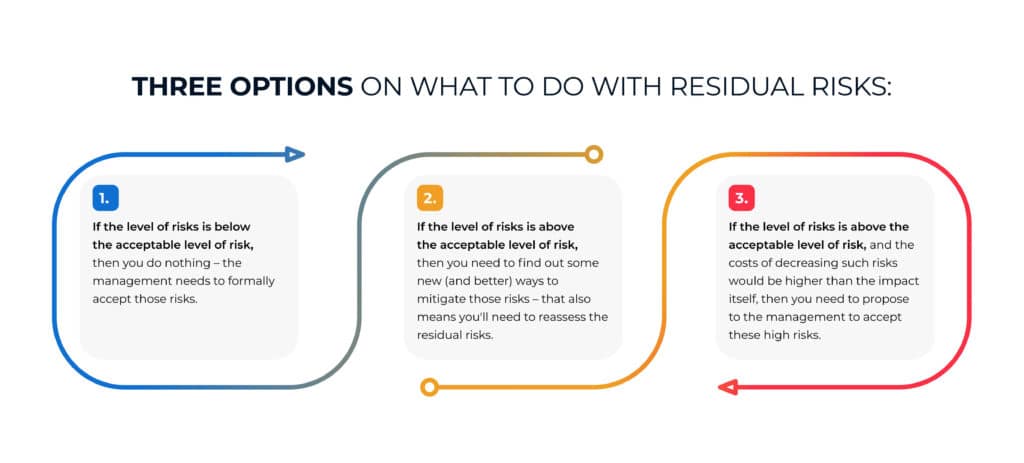
In the context of project management and infrastructure recovery, residual risk refers to the threats that remain after planned responses have been taken or those that have been deliberately accepted. According to the Project Management Institute (PMI), as detailed in the PMBOK® Guide (6th edition), these are the risks that persist after every possible measure and control has been implemented to secure a project.

When applied to the energy sector following a major conflict, these residual risks manifest as persistent security threats, unstable political climates, and the lingering danger of further infrastructure failure. Even when a facility is technically “repaired,” the risk that it could be targeted again or fail due to compromised structural integrity remains. This creates a “risk premium” that markets bake into the price of oil and gas, keeping costs high even when supply appears to be recovering.
The process of risk management—which involves identification, analysis, response planning, and implementation—often fails to explicitly account for these lingering threats. The industry may overestimate the speed of a return to “normal” pricing, ignoring the fact that the sum of remaining risks constitutes a permanent floor under current price levels.
The Crisis of Ruined Infrastructure
The physical devastation of the third Gulf war has left a scar on the energy markets that cannot be quickly erased. Ruined infrastructure—including refineries, pumping stations, and pipelines—requires massive capital investment and years of technical labor to restore to full capacity.
The scale of the challenge is compounded by the broader needs of global infrastructure. To put the difficulty of these repairs into perspective, McKinsey reports that approximately $106 trillion in investments will be needed by 2040 to meet the demand for fresh and updated infrastructure globally. When a significant portion of this need is concentrated in high-risk conflict zones, the competition for resources, specialized labor, and materials intensifies, further delaying the restoration of energy outputs.
the recovery process itself is fraught with its own set of challenges. Leaders managing these massive infrastructure projects must navigate three critical hurdles: undefined design parameters, contractual risk allocation, and technology integration. In a post-war environment, where original blueprints may be lost and local expertise may have fled, these challenges are magnified, leading to delays and cost overruns that keep energy supplies constrained.
Why Energy Prices Will Remain High
The combination of physical scarcity and perceived risk creates a powerful upward pressure on energy prices. There are several reasons why a quick return to pre-war pricing is unlikely:
- Supply Constraints: The actual volume of oil and gas reaching the market is lower due to the ruined state of production and transport infrastructure.
- The Risk Premium: Investors and traders demand a higher price to compensate for the residual risks associated with operating in a scarred region.
- Inflationary Repair Costs: The cost of materials and specialized engineering required for high-stakes infrastructure repair is rising.
- Security Overheads: The need for permanent security controls to protect restored assets adds a significant operational cost that is passed down to the consumer.
These factors ensure that the “scarring” effect mentioned by market analysts is not just a temporary dip in production, but a fundamental shift in the cost structure of energy procurement.
Key Takeaways on Market Stability
| Factor | Impact on Market | Duration |
|---|---|---|
| Residual Risk | Increases price volatility and risk premiums | Long-term/Indefinite |
| Infrastructure Damage | Reduces total available supply | Medium to Long-term |
| Investment Gap | Slows the pace of facility restoration | Long-term (up to 2040) |
As the global community navigates this period, the focus must shift from immediate crisis management to long-term resilience. The energy markets are no longer dealing with a temporary shock, but with a restructured reality where the costs of conflict are embedded in every barrel of oil and cubic meter of gas.
The next critical checkpoint for market observers will be the upcoming quarterly energy output reports and the official filings regarding infrastructure restoration timelines from regional operators. We encourage our readers to share their perspectives on how these energy costs are affecting their local economies in the comments below.
Related reading