
In the evolving landscape of artificial intelligence governance, a growing debate centers on whether certain licensing frameworks designed to promote ethical AI use actually undermine user freedoms. Critics argue that some so-called “Responsible AI” licenses, despite their intentions, impose restrictions that conflict with core principles of software freedom.
This perspective draws from longstanding views in the free software movement, which holds that any license limiting how individuals can run, study, share, or modify software is inherently nonfree—and by extension, unethical when it obstructs efforts to address social inequities through technology.
The controversy gained renewed attention following discussions about licensing models that attempt to prevent harmful AI applications while raising questions about who defines “harm” and whether such controls could be misused to suppress legitimate innovation or dissent.
To understand this tension, it is essential to examine how software freedom is defined, what specific restrictions these licenses introduce, and what alternatives exist for promoting accountability without sacrificing user autonomy.
Defining Software Freedom and Its Ethical Implications
The foundation of this critique lies in the four essential freedoms articulated by the free software movement: the freedom to run the program for any purpose, to study how it works and adapt it, to redistribute copies, and to distribute modified versions. These principles are codified in licenses like the GNU General Public License (GPL), which ensure that software remains accessible and controllable by its users.

When a license denies any of these freedoms—such as by prohibiting certain uses, requiring special permissions for modification, or restricting redistribution—it is classified as nonfree. From an ethical standpoint, particularly in contexts where technology could mitigate discrimination or expand access to opportunity, such limitations may impede progress toward social justice.
This view is reinforced by organizations that advocate for digital rights, which maintain that user autonomy is not merely a technical preference but a prerequisite for democratic participation in the digital age.
What Are Responsible AI Licenses (RAIL)?
Responsible AI Licenses represent a category of software licenses designed to permit open access to AI models while including behavioral use restrictions aimed at preventing harmful applications. These restrictions often prohibit uses related to surveillance, facial recognition in certain contexts, automated decision-making in high-stakes domains, or the generation of illegal or harmful content.
Proponents argue that RAIL allows developers to share their work widely while retaining some influence over how it is deployed, particularly in preventing applications that could exacerbate bias, violate privacy, or enable misuse.
Though, critics contend that by placing use-based conditions on software, these licenses deviate from the definition of free software. They argue that even well-intentioned restrictions create legal uncertainty, hinder interoperability, and may be applied inconsistently across jurisdictions.
One specific point of contention is whether such licenses truly serve the public interest when they prevent researchers or organizations from adapting the software in ways that could uncover flaws, improve fairness, or expand access for underserved communities.
Tensions Between Ethical Intent and User Autonomy
The central tension in this debate revolves around balancing two valid concerns: the need to prevent AI from amplifying societal harms, and the importance of maintaining open, inspectable, and adaptable technology.
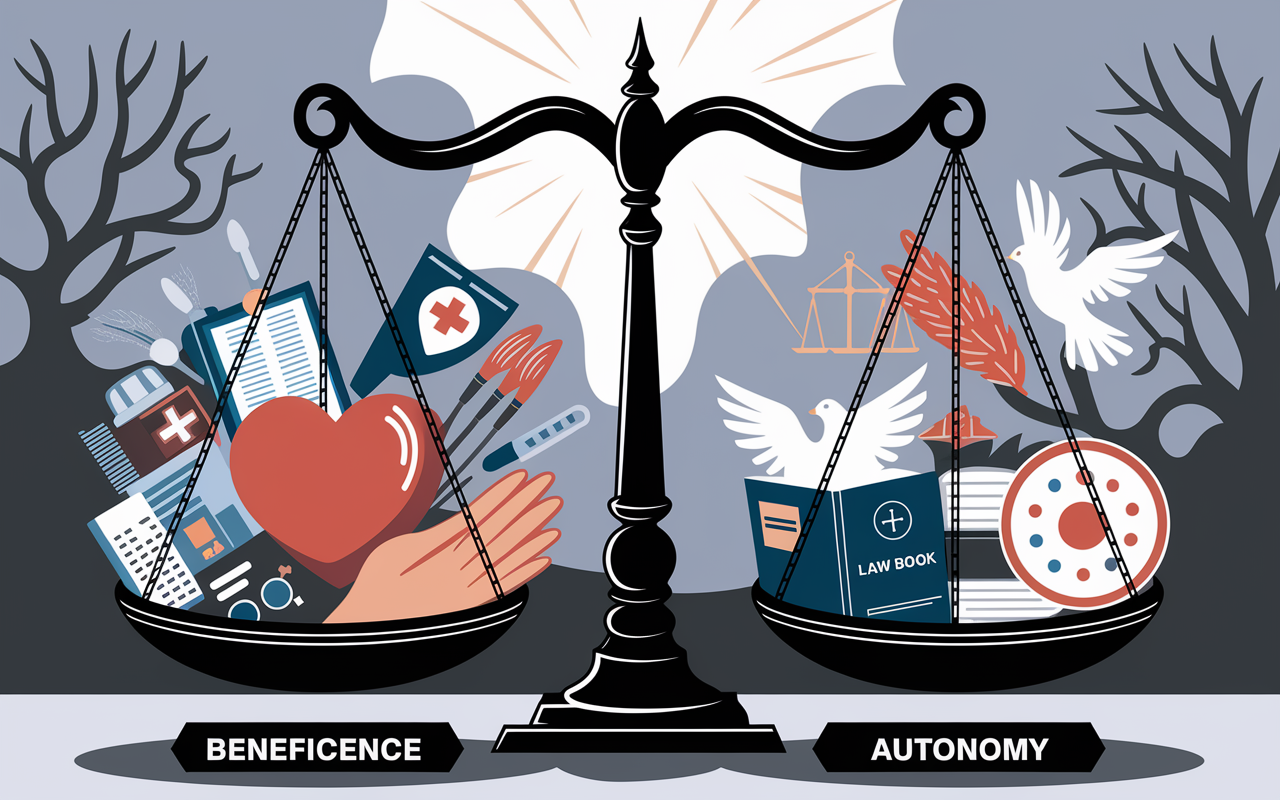
Supporters of permissive use restrictions point to real-world cases where AI has been deployed in ways that deepen inequality—such as biased hiring tools, discriminatory lending algorithms, or invasive surveillance systems—and argue that waiting for harm to occur before acting is insufficient.
Opponents counter that use restrictions are difficult to enforce, often lack transparency in how violations are determined, and risk concentrating power in the hands of licensors who may interpret “responsible” use subjectively. They also note that determined bad actors are unlikely to comply with license terms regardless, meaning restrictions primarily affect lawful users.
This critique echoes broader concerns in digital governance about whether technical solutions like licensing can effectively address complex social problems without introducing new forms of control.
Alternatives for Promoting Accountable AI Development
For those seeking to encourage responsible AI development without compromising software freedom, several alternative approaches have been proposed and implemented.

These include transparency requirements such as model cards and data sheets that document performance, limitations, and training data; robust documentation standards that enable external auditing; and community governance models where oversight is shared rather than centralized.
Some projects have adopted dual licensing strategies, offering a permissive free software license for general use while providing commercial licenses that include additional support or warranties. Others rely on norms, ethical guidelines, and professional standards rather than legal constraints to guide behavior.
public funding mechanisms, procurement policies, and regulatory frameworks can incentivize responsible practices without restricting how software is used after distribution.
Ongoing Discussions in the AI Ethics Community
The conversation around AI licensing continues to evolve within academic, industry, and civil society circles. Recent workshops and conferences have featured debates on whether innovation is best served by maximal openness or by tailored governance mechanisms.
While no consensus has emerged, the discussion underscores a broader challenge in technology policy: how to foster innovation and accountability simultaneously in fields where technical capabilities often outpace regulatory understanding.
As AI systems become more integrated into infrastructure, healthcare, education, and criminal justice, the choices made about licensing and governance will have lasting implications for who benefits from these technologies and under what conditions.
For developers, policymakers, and users alike, navigating this space requires careful consideration of both the promises and perils of openness in the age of artificial intelligence.