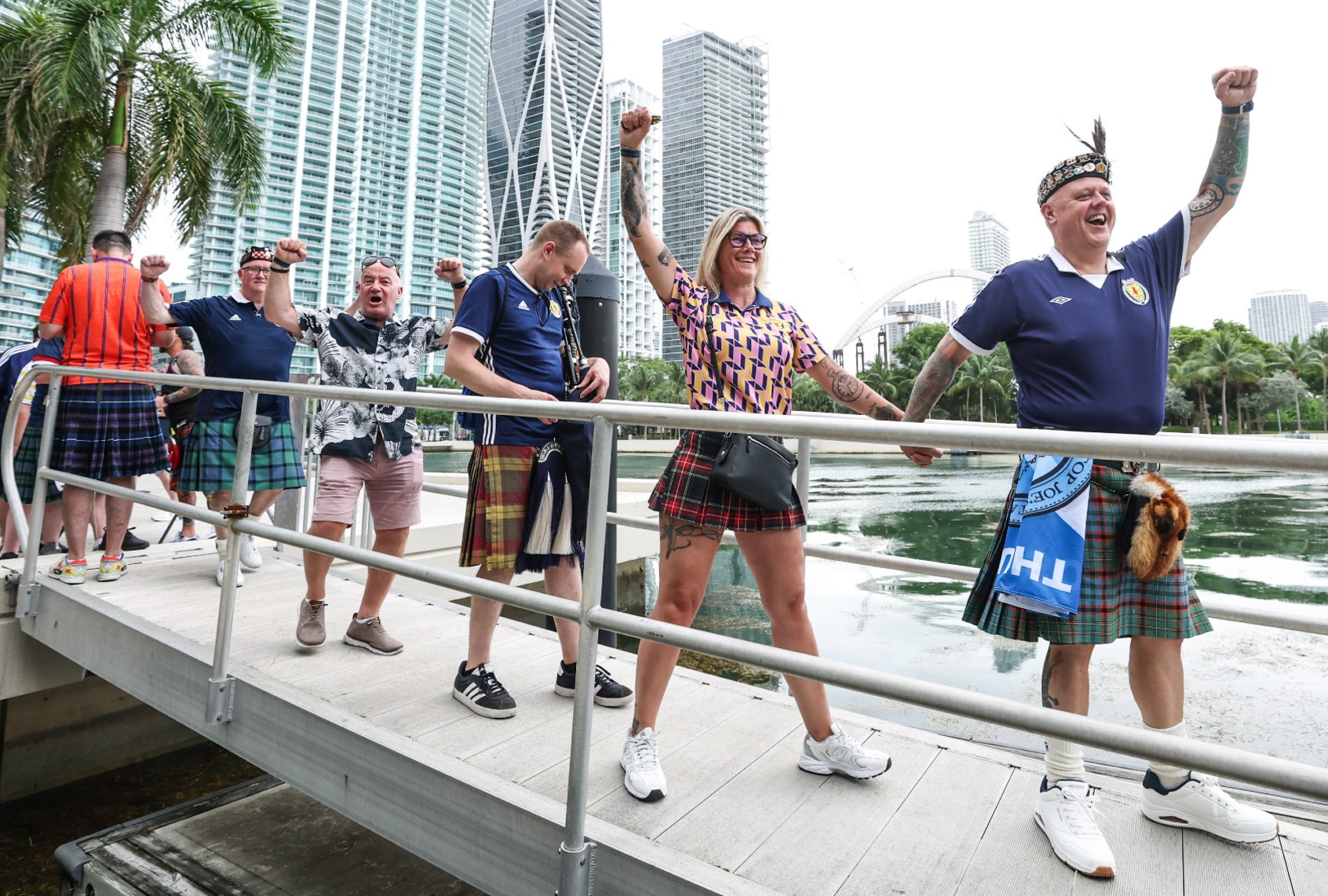
Scottish football supporters, collectively known as the Tartan Army, have garnered widespread attention during the current World Cup tournament for their conduct in host cities, including Boston and Miami. While the team’s performance on the pitch remains a matter of professional athletic competition, the visibility of thousands of traveling fans has triggered a broader public discussion regarding cultural differences in social interaction and fan behavior.
The influx of an estimated 50,000 fans has prompted local observers to contrast the behavior of the visiting supporters with that of local residents. Reports from city officials and public service workers have highlighted the cleanliness and general demeanor of the fans during their stay. As noted in various public accounts, the presence of these supporters—often identified by traditional Scottish attire such as kilts—has been marked by a focus on social engagement and public order.
Cultural Observations and Public Reception
The public discourse surrounding the Tartan Army has largely focused on the contrast between the fans’ behavior and prevailing domestic social norms. For many observers, the conduct of the visiting fans serves as a point of comparison for contemporary standards of masculinity and social etiquette. Numerous social media comments from residents in host cities have described the interactions as respectful, noting that the visitors maintained a standard of behavior that stood out during the high-energy environment of the tournament.
Content creator Daniel Euan Henderson, based in Glasgow, has provided commentary on these cultural differences through his digital platforms. Henderson’s observations often center on the social dynamics observed in public venues, such as bars, where he contrasts the behavior of his countrymen with that of some local patrons. According to Henderson, the social expectations in Scotland—where aggressive or disrespectful behavior toward women is often met with immediate social sanction—differ significantly from the experiences reported by some individuals in the United States.
Social Dynamics in Host Cities
The arrival of the Tartan Army in cities like Miami for matches against international opponents has continued to draw notice from local communities. The “charm offensive” attributed to the fans has been a recurring theme in local media coverage, with specific attention paid to the fans’ ability to integrate into the local social scene without violating public norms. This phenomenon has prompted discussions about whether the visibility of these supporters might influence, even temporarily, the social atmosphere of the host cities.
While some commentators have used the term “Hot Scot Summer” to characterize the cultural impact of the fans, the underlying sentiment among many local residents is one of surprise at the level of consideration shown by the large groups of traveling supporters. The ability of the Tartan Army to remain orderly while participating in the celebratory nature of the World Cup has been cited as a significant factor in their positive reception by city workers and the general public alike.
Contextualizing Fan Behavior
The discussion regarding the Tartan Army is part of a larger conversation about the role of international fans in major sporting events. Historically, the behavior of traveling supporters can significantly impact the reputation of their home nation. In this instance, the emphasis on “humanity and humor” has been identified by observers as a key component of the fans’ identity. By prioritizing social cohesion and respectful interaction, the supporters have effectively shifted the focus from the athletic results of the matches to the cultural footprint of the fans themselves.

As the tournament progresses, the focus remains on the upcoming matches and the continued presence of the international fanbase in host regions. Fans and local observers are encouraged to monitor official tournament updates for information regarding future matches and city-specific guidelines for supporters. The discourse surrounding this year’s tournament continues to evolve as the Tartan Army moves between host cities, with many observers interested in whether this pattern of behavior will persist throughout the remainder of the competition.
The next major milestone for the tournament will be the progression of the knockout stages, where international teams will compete for the championship title. Official updates regarding match schedules, venue logistics, and fan zone regulations can be found on the official FIFA tournament portal. Readers are invited to share their own experiences or observations regarding the international fan presence in the comments section below.
Related reading