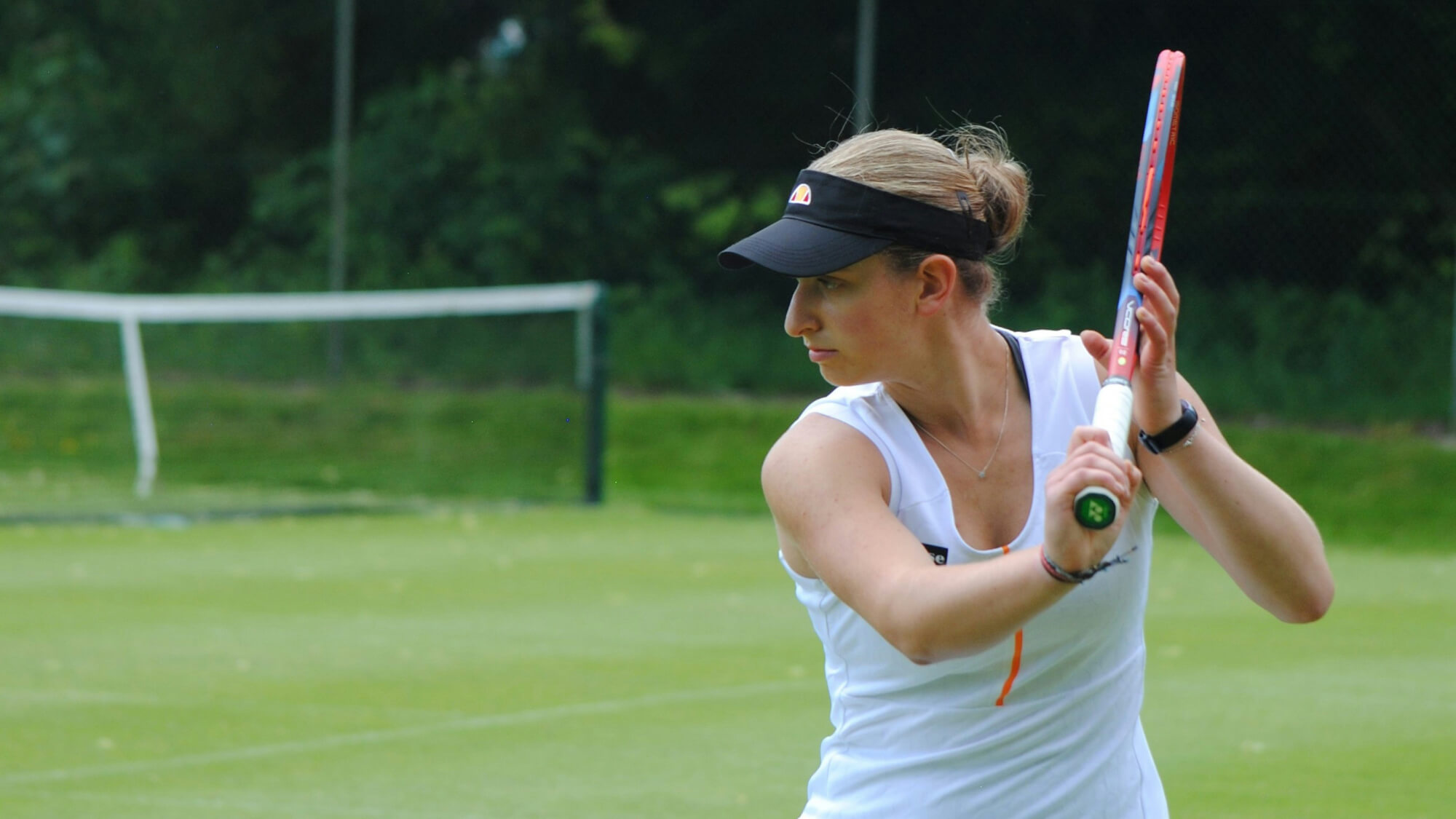
Starting tennis as an adult offers a rare combination of physical cardiovascular conditioning, sharp mental strategy, and lifelong accessibility that few other recreational sports can match. According to sports medicine and fitness research published by the International Tennis Federation, racquet sports significantly lower the risk of all-cause mortality while building crucial hand-eye coordination, agility, and bone density. Unlike high-impact team sports that demand youth-level acceleration or rigid league schedules, tennis adapts gracefully to any age, fitness level, or busy professional schedule.
For adult beginners stepping onto the court for the first time, the sport delivers immediate rewards without requiring an elite athletic background. The physical demands of hitting a tennis ball engage nearly every muscle group, from the core stabilization required for rotational groundstrokes to the quick, short sprints that build cardiovascular endurance. Yet, because rallies are punctuated by natural pauses between points, players can easily regulate their exertion. This built-in pacing makes tennis an ideal sustainable exercise regimen for lifelong health, supporting heart health and joint stability as players age.
Cognitive Benefits and Strategic Problem-Solving on the Court
Beyond the physical advantages, tennis serves as high-intensity interval training for the brain. According to coaching analytics tracked by the United States Tennis Association, every point demands rapid spatial awareness, continuous calculation of ball spin and trajectory, and split-second tactical decisions. Players must constantly analyze their opponent’s court position while managing their own energy expenditure.
This dynamic mental engagement stimulates cognitive function in ways that repetitive gym workouts often miss. For adults balancing high-stress careers or complex daily routines, the intense focus required during a tennis match creates a powerful form of active meditation. Total absorption in tracking the ball and executing a clean stroke effectively crowds out everyday anxieties, offering significant mental health benefits alongside physical fitness.
Social Connection and Community Building for Adults
Finding a consistent, enjoyable fitness routine can often feel like an isolated chore, but tennis thrives on community. Adult recreational play centers around local clubs, public parks, and organized community leagues that welcome newcomers of all skill levels. Programs like the USTA Adult League structure provide structured match play organized by rating levels, ensuring that beginners face opponents of similar capability.
This organized pathway removes the intimidation factor that often deters adults from trying a new sport. Whether through casual weekly hitting sessions with friends, doubles matches that emphasize teamwork and communication, or introductory group clinics at local facilities, tennis offers an immediate social network. Meeting hitting partners who share similar goals transforms exercise from a solitary obligation into a vibrant, engaging hobby.
Overcoming Initial Learning Curves with Modern Equipment
One common hesitation for adult beginners is the fear that tennis is too difficult to learn later in life. However, modern tennis equipment has revolutionized the onboarding process. Contemporary racquets feature larger sweet spots, lighter composite frames, and flexible string patterns designed to generate power and control effortlessly. Furthermore, the introduction of slower-compressing transition balls—such as green dot and orange balls—allows adults to rally longer, master proper technique faster, and enjoy the game immediately without chasing erratic bounces.
Investing in a few foundational private lessons or group clinics can accelerate this progress. Certified coaches emphasize correct grip mechanics, efficient footwork, and injury prevention, ensuring that adult players build safe habits from day one. Preventing common overuse injuries like tennis elbow begins with proper form and appropriately sized equipment, making professional guidance a valuable starting point.
Next Steps for New Adult Players
To begin playing tennis as an adult, local parks and recreation departments offer an accessible and cost-effective entry point through public court reservations and seasonal clinics. Players seeking structured competition and certified coaching directories can explore community programs hosted through the ITF Grassroots Development initiatives to locate nearby facilities and beginner programs. Readers are encouraged to share their own experiences or ask questions about starting out in the comments below.
Keep reading