
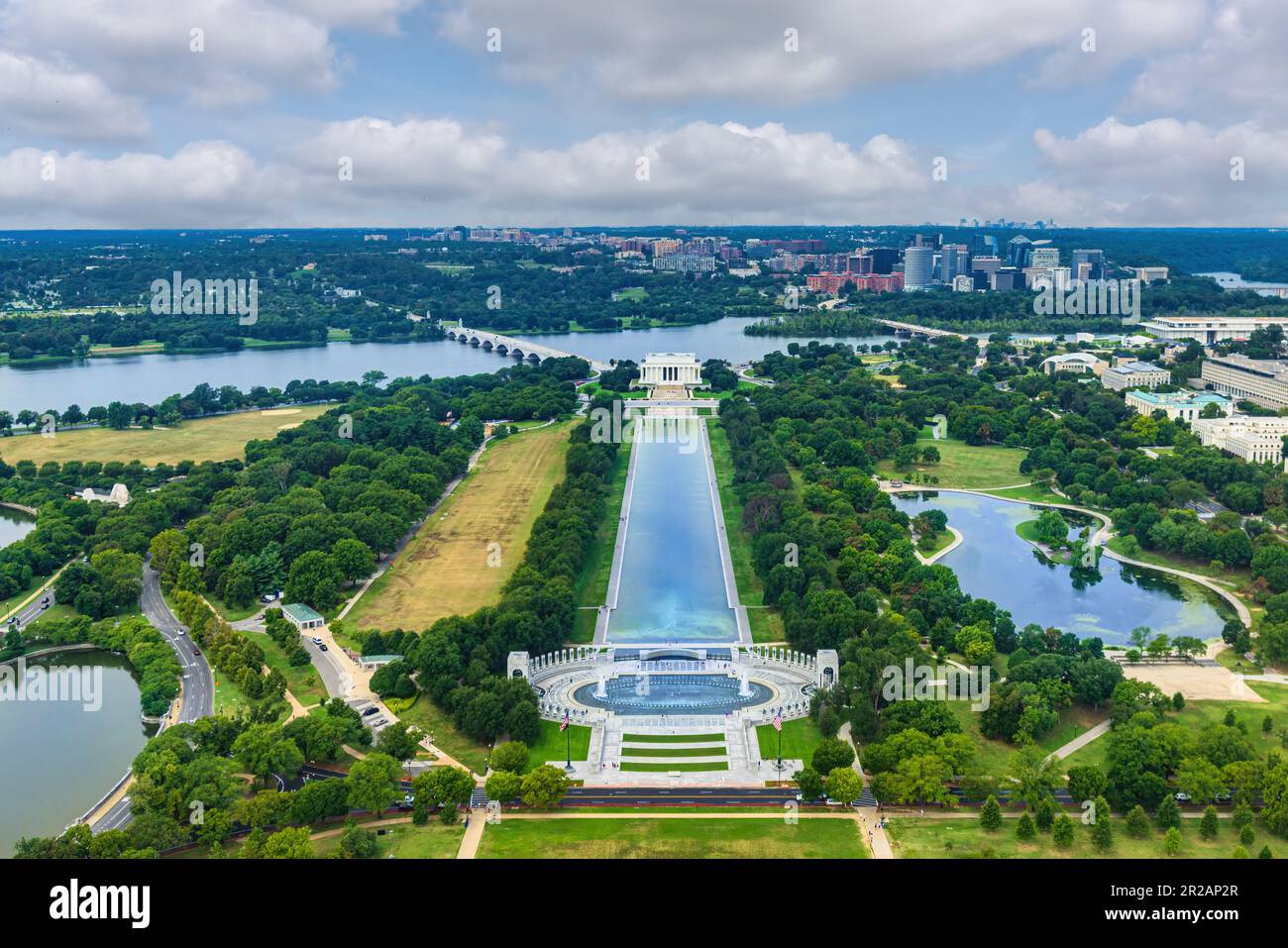
The Lincoln Memorial Reflecting Pool has experienced recurring, high-density algae blooms that have reached some of the highest levels recorded in recent years, according to maintenance reports from the National Park Service (NPS). The persistent green discoloration, which often forces temporary closures for chemical treatments, has become a recurring challenge for federal groundskeepers tasked with managing the iconic Washington, D.C. landmark.
While the water quality fluctuates due to environmental factors, the frequency of these blooms has drawn increased public attention. The pool, which requires constant circulation and filtration, faces a delicate balance between maintaining aesthetic clarity and managing the biological growth that thrives in shallow, sun-exposed urban water features. The National Park Service manages the site as part of the National Mall and Memorial Parks, adhering to strict water quality standards to protect both the infrastructure and the surrounding environment.
Understanding the Causes of Algae Growth
Algae blooms in the Reflecting Pool are primarily driven by a combination of high nutrient levels, shallow water depth, and seasonal temperature spikes. According to the National Park Service, the pool holds approximately 6.75 million gallons of water, much of which is exposed to intense sunlight throughout the summer months. This environment creates an ideal incubator for cyanobacteria and various algae species that flourish in warm, nutrient-rich conditions.
The nutrient load—specifically phosphorus and nitrogen—often enters the pool through runoff from the surrounding landscape and atmospheric deposition. Once these nutrients settle in the shallow basin, they provide the necessary fuel for rapid biological proliferation. Maintenance crews frequently employ specialized filtration systems and, when necessary, Department of the Interior-approved algaecides to mitigate the growth. Despite these efforts, the sheer volume of the pool and its open-air design make complete eradication difficult during peak heat waves.
Historical Maintenance and Infrastructure Challenges
The infrastructure of the Reflecting Pool underwent a major rehabilitation project completed in 2012, which aimed to improve water circulation and reduce the reliance on city water supplies. The project included the installation of a new filtration system designed to process the pool’s entire volume every few days. However, the system’s effectiveness is often tested by the heavy foot traffic and environmental variables present on the National Mall.

Management of the pool is subject to federal oversight, and maintenance protocols are updated periodically to reflect new environmental standards. Records indicate that the pool’s design, while architecturally significant, presents inherent difficulties for water management. Because the pool is a shallow, artificial basin, it lacks the natural biological buffering found in larger, deeper bodies of water, meaning that once a bloom begins, it can spread rapidly across the surface if not addressed immediately by maintenance personnel.
Impact on Public Access and Aesthetics
The visual impact of the algae blooms often sparks public conversation regarding the upkeep of national monuments. When the pool turns a deep green, it becomes a visible subject for visitors and photographers, leading to frequent inquiries about the site’s health. The National Park Service periodically closes areas of the pool for cleaning, which can temporarily disrupt the visitor experience on the National Mall.
The NPS official newsroom provides updates on park conditions, including closures or maintenance schedules that might affect public access to major landmarks. Visitors are generally advised that the water is for aesthetic purposes only; contact with the water is prohibited for safety and sanitation reasons. The presence of algae, while visually unappealing, is a common occurrence in urban water features across the United States, particularly in areas with high summer temperatures and significant urban runoff.
What Happens Next
The National Park Service continues to monitor the water quality of the Reflecting Pool as part of its ongoing stewardship of the National Mall. Future maintenance strategies may include adjustments to the filtration cycle or the implementation of new, environmentally sensitive water treatment techniques designed to curb bloom frequency. There is currently no scheduled date for a major structural overhaul of the pool’s water management system; however, regular maintenance cycles remain in effect to ensure the site remains a central feature of the Washington, D.C. landscape.
For the most current information regarding the status of the Reflecting Pool and other sites on the National Mall, visitors are encouraged to check the official National Park Service conditions page. Comments and observations regarding the site’s maintenance are handled through the NPS regional office, which oversees the daily operations of the National Mall and Memorial Parks.
Related reading