
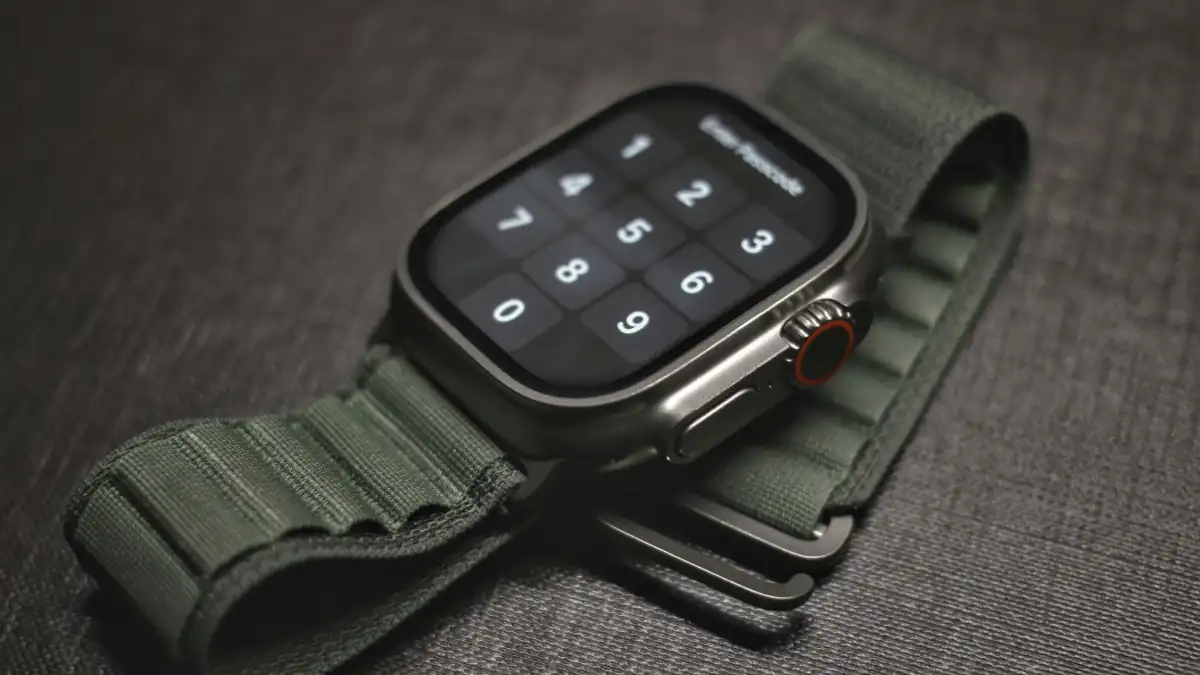
Apple has officially confirmed that the original Apple Watch Ultra, released in 2022, will not support the upcoming watchOS 27 software update. This decision, part of a broader shift in Apple’s device compatibility strategy, stems from the increasing hardware requirements necessitated by new artificial intelligence features integrated into Siri and the broader watchOS ecosystem. According to official Apple release documentation, the company is prioritizing devices equipped with newer neural engine architectures capable of handling complex on-device processing tasks.
Why Hardware Constraints Limit watchOS 27 Compatibility
The exclusion of the 2022 Apple Watch Ultra from the watchOS 27 rollout is primarily due to the processing demands of advanced machine learning models. Apple’s latest software iterations rely heavily on localized AI, specifically for Siri’s improved voice recognition and predictive health analytics. As detailed in the Apple Newsroom, these features require dedicated silicon performance that exceeds the capacity of the S8 chip found in the first-generation Ultra model. While the device remains highly capable for standard fitness tracking and notification management, it lacks the specific neural processing unit (NPU) throughput required to run the next generation of generative AI models optimized for the wrist.

Industry analysts have noted that this “hardware-first” approach is consistent with Apple’s historical lifecycle management. By limiting the installation base to devices that can maintain high performance standards, the company aims to prevent system latency and battery degradation. This architectural divide underscores a growing gap between legacy wearables and the new “AI-ready” hardware category that Apple is currently prioritizing across its mobile and wearable lineups.
User Impact and New Navigation Features
While software support for the 2022 Ultra is narrowing, Apple continues to introduce new accessibility and control features across the current watchOS ecosystem. Among the most notable is a new gesture-based control mechanism that allows users to operate core functions of the watch using a single hand. This functionality, often referred to as “Double Tap” or advanced gesture control depending on the specific model, uses the accelerometer and optical heart sensor to detect micro-movements in the user’s wrist.

According to Apple’s official user guide for watchOS, these gestures are designed to provide hands-free operation in scenarios where a user might be holding an object, such as a coffee cup or a handlebar, with their other hand. While the gesture technology is available on newer models, its implementation on older hardware remains restricted by the same processing limitations that govern the rollout of watchOS 27. Users currently running older versions of watchOS can continue to access standard features, but they will miss out on the deeper integration of AI-driven Siri responses that characterize the latest software update.
Lifecycle Management and Future Updates
The decision to drop support for the 2022 Ultra is part of a larger trend of software deprecation, which tech observers often compare to the “Snow Leopard” era of macOS—a period characterized by a major optimization effort that resulted in the removal of older, less efficient codebases. By streamlining the supported device list, Apple ensures that its software development team can focus on optimizing for newer, more capable hardware, which in turn allows for more sophisticated software features.
For users currently owning the 2022 Apple Watch Ultra, this does not mean the device will cease to function. It will continue to receive critical security patches and minor stability updates, even as it stops receiving major feature upgrades. The Apple Software License Agreement outlines that support periods are finite and determined by the internal hardware’s ability to meet the performance benchmarks of the current OS iteration. Owners who wish to access the full suite of future AI-powered watchOS features will eventually need to transition to hardware that meets the updated silicon requirements.
Frequently Asked Questions
Will my Apple Watch Ultra (2022) still receive security updates?
Yes. Apple typically provides security-only updates for several years after a device loses support for major OS upgrades. These updates are essential for maintaining user privacy and device safety.

Can I force an update to watchOS 27 on unsupported hardware?
No. Apple’s software update mechanism is strictly gated by hardware identification. Attempting to bypass these restrictions is not supported and may result in device instability or a complete loss of functionality.
Why is AI causing these hardware limitations?
Modern AI features, particularly those involving on-device machine learning, require significant memory bandwidth and specialized NPU cycles. Older chips, like the S8, were not designed with the overhead required to run these complex, energy-intensive models while maintaining the battery life expected of a wearable device.
Future updates regarding device compatibility and specific feature releases will be posted to the official Apple support portal. Readers are encouraged to monitor the Apple Developer website for technical documentation and to share their experiences or questions in the comments section below.