As I sit here in my Los Angeles office, looking back at the trajectory of interactive entertainment, few hardware releases feel as transformative as the Sony PlayStation 2. Launched in Japan on March 4, 2000, and later in North America on October 26, 2000, the console didn’t just iterate on its predecessor; it redefined what home gaming could achieve. With over 160 million units sold worldwide, the PS2 remains the best-selling video game console of all time, a testament to its massive library and cultural footprint, according to official data from Sony Interactive Entertainment.
For those of us who spent the early 2000s glued to a CRT television, the PS2 was a gateway to narrative depth and mechanical complexity that had previously been reserved for high-end arcades. Finding 10 masterpiece PS2 games that are perfect from start to finish is a challenge not because of a lack of options, but because of the sheer density of quality titles that defined the sixth generation of consoles. These games, ranging from atmospheric survival horror to sprawling open-world epics, represent the pinnacle of creative ambition during an era when developers were just beginning to master the hardware’s unique Emotion Engine processor.
The Golden Era of Narrative Design
When we talk about “perfection” in gaming, we aren’t just discussing graphics or processing power. We are talking about cohesion—how the story, the gameplay loop, and the artistic direction align to create a singular, memorable experience. The PS2 library is frequently cited as the most diverse in industry history. Titles like Metal Gear Solid 3: Snake Eater (2004) pushed the boundaries of cinematic storytelling, while Shadow of the Colossus (2005) proved that minimalism could be as emotionally resonant as the most dialogue-heavy RPG. These developers weren’t just making games; they were crafting experiences that challenged the player’s perception of what the medium could accomplish.
The transition to 3D environments during this period allowed for a level of environmental storytelling that was unprecedented. Games like Silent Hill 2 (2001) used the PS2’s limitations—specifically the fog used to mask draw distances—to create a sense of suffocating psychological dread that has arguably never been surpassed in the horror genre. By the time the console reached its mid-life cycle, the industry had moved past the “growing pains” of early 3D, and studios were operating at peak efficiency.
Ten Masterpieces That Defined a Generation
Selecting only ten titles is an arduous task, but the following games stand out for their enduring quality and design consistency:

- Metal Gear Solid 3: Snake Eater: A masterclass in stealth mechanics and Cold War-era narrative, Hideo Kojima’s prequel remains the gold standard for tactical espionage.
- Shadow of the Colossus: A haunting, minimalist journey that strips away the clutter of traditional gaming to focus on the weight of one’s actions.
- Silent Hill 2: Often cited by critics as one of the greatest horror games ever made, its exploration of grief and guilt remains deeply poignant.
- Grand Theft Auto: San Andreas: An unparalleled achievement in open-world scale and cultural world-building for its time.
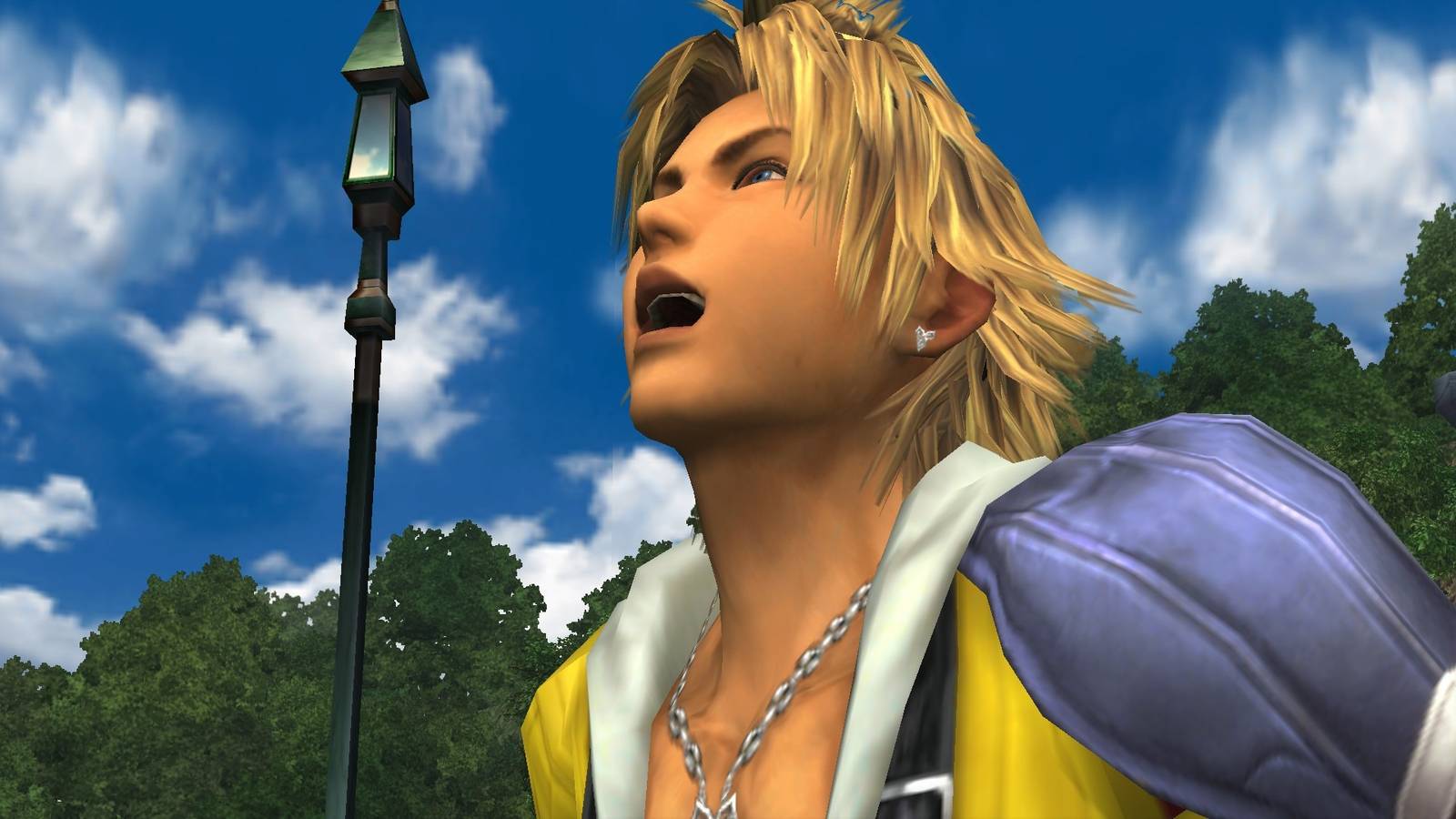
- Final Fantasy X: The first entry in the series to introduce voice acting, it balanced a linear, emotional narrative with a deep, strategic turn-based combat system.
- Resident Evil 4: By shifting the camera to an over-the-shoulder perspective, this title effectively reinvented the third-person action game.
- Okami: A visual tour de force inspired by Japanese ink wash painting, offering an adventure that feels like a living, breathing myth.
- God of War (2005): It set a new benchmark for the action-adventure genre, combining fluid combat with Greek mythology on a grand, cinematic scale.
- Persona 4: This title perfected the blend of traditional dungeon-crawling with the social dynamics of high school life, creating a uniquely addictive loop.
- Gran Turismo 4: Often referred to as the “Real Driving Simulator,” its sheer volume of content and technical precision pushed the PS2 hardware to its absolute limit.
Why These Titles Remain Relevant
The longevity of these titles is not merely a product of nostalgia. This proves a result of design philosophies that focused on mechanical clarity and artistic intent. Many of these games have seen high-definition remasters or ports to modern hardware, confirming that their core gameplay loops hold up even by today’s standards. According to industry analysis, the PS2 library remains a primary focus for game preservationists and collectors, given that the console’s architecture was notoriously tricky to replicate via emulation, as noted by various technical deep dives into console emulation.
the influence of these games on modern design cannot be overstated. The “over-the-shoulder” camera popularized by Resident Evil 4 is now the standard for countless action games, and the narrative depth found in Persona 4 paved the way for the modern JRPG resurgence. These developers were not just building for the PS2; they were laying the foundation for the next two decades of interactive media.
Looking at the Legacy
As we observe the evolution of the industry, the PlayStation 2 stands as a monument to a time when risks were rewarded and creative vision was paramount. While modern gaming offers photorealistic graphics and massive online infrastructures, there is a specific, tactile “soul” to these PS2 masterpieces that continues to draw in new players. Whether you are revisiting these classics or experiencing them for the first time, they serve as a reminder that great game design is timeless.
The industry continues to celebrate this era, with ongoing discussions surrounding the official preservation of these titles in digital storefronts. For those interested in the history of the platform, the official Sony corporate archives provide a detailed timeline of the console’s hardware iterations and regional launch dates. As we move forward, the question remains: which titles from our current generation will be remembered with such reverence twenty years from now? Only time will tell.
What are your thoughts on this list? Did your favorite PS2 classic make the cut, or is there a hidden gem I missed? Join the conversation in the comments section below and share your own memories of the PS2 era.
Keep reading