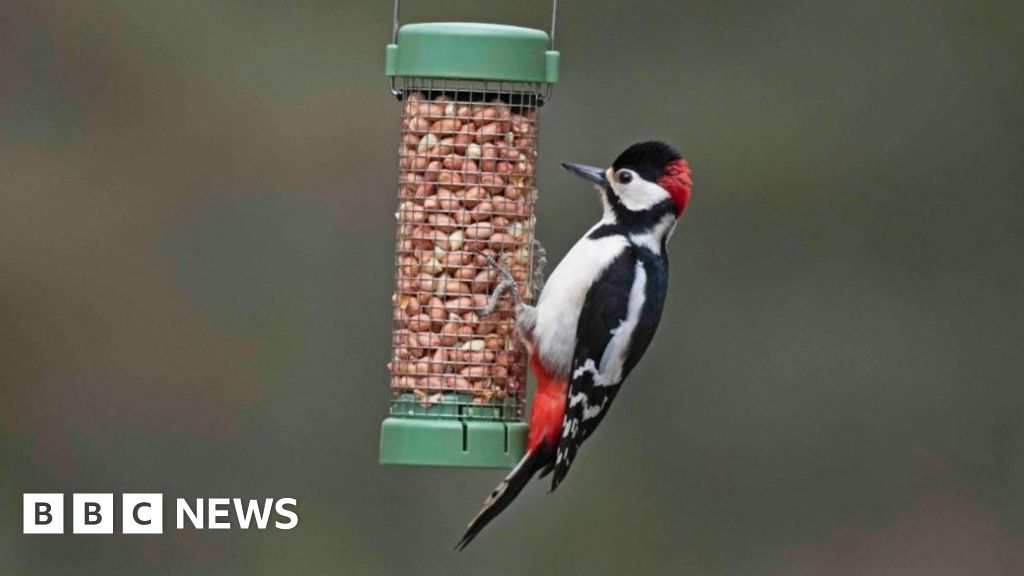
Garden enthusiasts across the United Kingdom are being urged to rethink their approach to wildlife support as the Royal Society for the Protection of Birds (RSPB) issues a cautionary directive regarding the use of bird feeders. While the act of putting out food is often viewed as a gesture of kindness, the UK’s largest bird charity warns that this practice during the warmer months could inadvertently place several bird species at serious risk.
The RSPB is advising the public to don’t feed them in warmer months, specifically recommending a break from using feeders between May 1 and October 31. This guidance is driven by the need to curb the spread of disease, as the warmer weather can transform popular feeding stations into hotspots for infection, potentially accelerating the decline of already vulnerable populations.
Central to this concern is the spread of trichomonosis, a parasitic disease that targets the mouth, throat, and upper digestive tracts of birds. The parasite makes it difficult for infected birds to eat, drink, or breathe. Because infected birds shed the parasite through their saliva and droppings, food sources become contaminated quickly. The disease can be passed directly from adult birds to their chicks during the regurgitation of food.
The impact of this disease has been particularly devastating for species such as greenfinches and chaffinches. According to recent data, the greenfinch population has decreased by two million, leading the species to be placed on the red list of endangered birds per BBC reporting on RSPB guidance.
The Decline of the Greenfinch and the Role of Feeders
The scale of the decline is reflected in the RSPB’s Big Garden Birdwatch results. In 1979, when the survey first began, greenfinches were ranked seventh in terms of frequency of recording. By 2025, that ranking had dropped to 18. This significant shift highlights a worrying trend in garden bird populations that the charity hopes to reverse by changing human feeding habits.
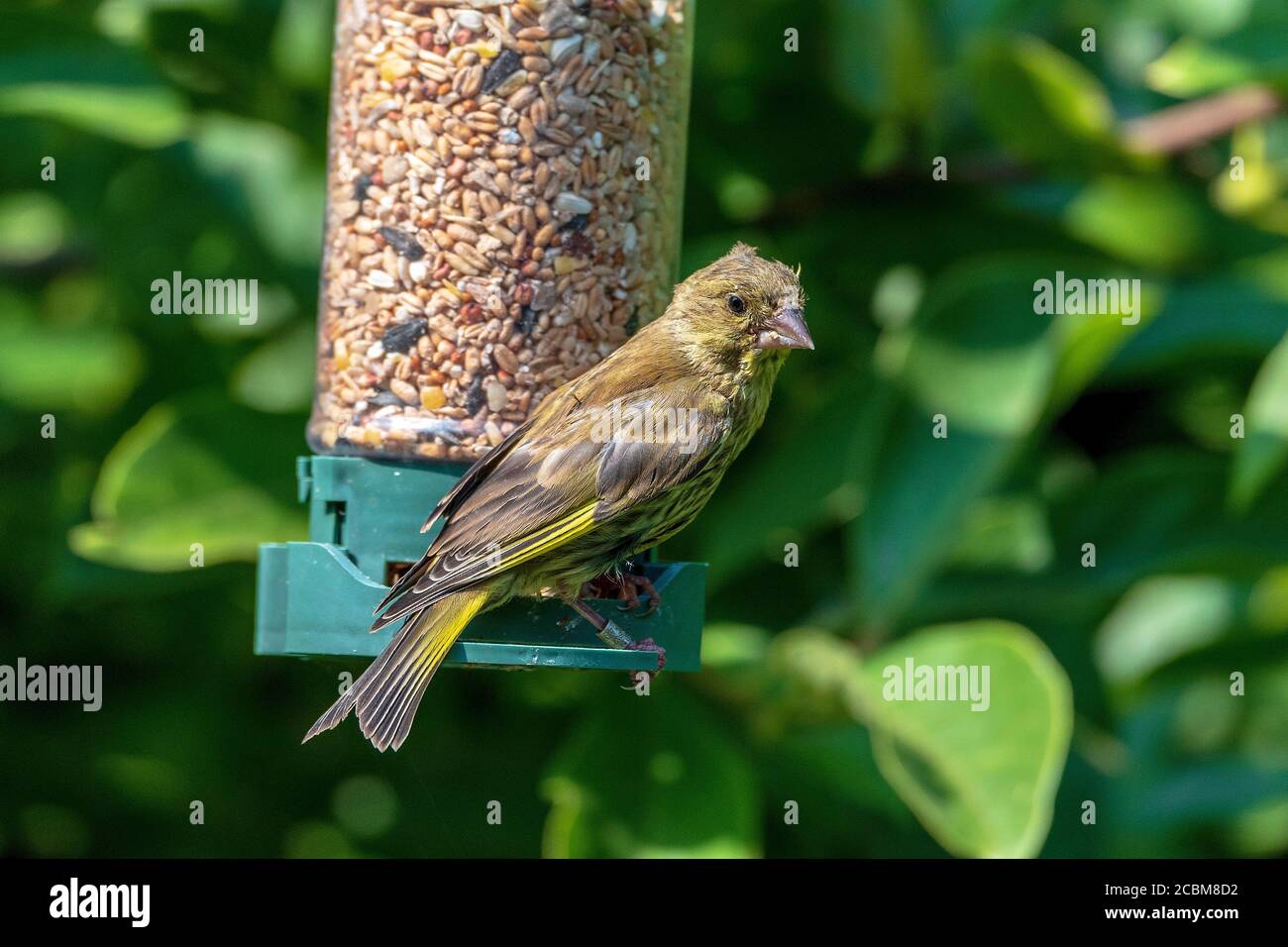
The risk is amplified by the sheer volume of feeding activity across the country. It is estimated that over 16 million households regularly provide food for birds, with roughly one feeder for every nine birds that use them. This high density of birds congregating in modest areas creates the ideal environment for the rapid transmission of parasites like trichomonosis.
While the RSPB acknowledges that advising millions of people to stop a long-standing habit may be unpopular or difficult to implement, the charity maintains that the measure is necessary to allow wildlife to thrive naturally and reduce the mortality rate associated with feeder-borne illnesses.
Best Practices for Safe Bird Feeding
For those who do provide food outside of the restricted window or are looking for the safest ways to support birds, the RSPB provides specific guidance on equipment and placement. The type of feeder used can significantly impact the safety of the birds.
Nut feeders should only be made of rigid steel mesh, as this is the only safe method for offering nuts to wild birds. Seed feeders are specifically designed for sunflower seeds and seed mixes labeled as feeder seed. To prevent the build-up of old food and the subsequent growth of bacteria or mold, it is critical to ensure that all feeders drain easily according to RSPB feeding guidelines.
The placement of feeders is equally important for bird safety and health. The RSPB recommends the following criteria for choosing a location:
- Quiet areas: Place feeders where birds are unlikely to be disturbed.
- Strategic safety: Feeders should not be too close to bushes where predators can hide, but they must remain close enough to cover so that birds can quickly dart away from danger. Birds prefer a clear view of their surroundings while feeding.
- Shelter: Locations should be protected from harsh winds.
Dietary Needs of Common Garden Birds
Different species have different feeding preferences and habits, which can influence how you set up your garden. Understanding these needs helps in providing the right support during the appropriate seasons:
- Blackbirds: These birds primarily feed on the ground and consume a wide range of foods, including mealworms and suet pellets.
- Blue Tits and Great Tits: These species frequently use feeders and eat peanuts, suet, and seeds.
- Finches: Including Chaffinches and Greenfinches, these birds are fond of sunflower hearts and typically use feeders.
Managing Garden Wildlife Infrastructure
Beyond the act of feeding, maintaining a bird-friendly garden involves various tools and structures. Organizations like the National Trust offer a range of nature-friendly designs to support wildlife, including classic bird baths, handmade feeders, and unique birdhouses. Other helpful additions for biodiversity include insect homes and bat boxes.
However, the emphasis remains on hygiene. Keeping feeders and bird baths clean is essential to prevent the spread of disease. When feeders are used, they must be regularly scrubbed and maintained to ensure that old food does not accumulate, which can attract pests or harbor pathogens.
For those who wish to support birds without the risks associated with concentrated feeding stations, providing nesting materials can be an alternative. For example, the National Trust offers products such as nesting wool to help birds build secure homes for their young.
Summary of Feeding Guidance
| Action | Recommended Timing/Method | Reasoning |
|---|---|---|
| Feeding Break | May 1 to October 31 | Reduce disease hotspots and parasite spread |
| Nut Feeding | Rigid steel mesh feeders only | Ensure physical safety of the birds |
| Feeder Maintenance | Ensure easy drainage; no old food | Prevent bacterial and mold build-up |
| Placement | Quiet, sheltered, with nearby cover | Protection from predators and weather |
The current guidance serves as a reminder that human intervention in nature, while well-intentioned, can have unintended consequences. By adhering to the recommended feeding hiatus during the warmer months, gardeners can help protect the dwindling populations of greenfinches and other garden birds from the devastating effects of trichomonosis.
The RSPB continues to monitor bird populations through initiatives like the Big Garden Birdwatch to determine the effectiveness of these interventions. Further updates on bird health and population rankings are expected as new survey data becomes available.
We encourage our readers to share their experiences with garden wildlife and let us know if you have adjusted your feeding habits based on this guidance in the comments below.