
The transatlantic crucible—the complex, often fraught relationship between Washington and European capitals—has once again entered a period of intense scrutiny. As global power dynamics shift, the diplomatic and economic ties that have anchored the Western alliance since the post-World War II era are being tested by divergent policy priorities and emerging geopolitical realities. For policymakers in both Brussels and Washington, the current friction is not merely a diplomatic hurdle but a fundamental re-evaluation of how the transatlantic partnership functions in the third decade of the 21st century.
At the heart of this tension lies the challenge of defining a unified strategic posture in an increasingly multipolar world. While the United States continues to pivot its attention toward the Indo-Pacific, European nations are grappling with the need for greater “strategic autonomy,” a concept championed by various EU leaders to ensure the continent can defend its own interests and security architecture. This evolution in statecraft underscores the changing nature of the transatlantic crucible, where historical cooperation is now being tempered by the necessity for sovereign decision-making.
For observers of international affairs, the question remains whether these structural disagreements will fracture the alliance or serve as a catalyst for a more mature, resilient partnership. History suggests that the transatlantic bond is defined as much by its internal debates as This proves by its shared values. As the diplomatic landscape evolves, leaders are increasingly focused on balancing domestic political pressures with the imperatives of maintaining a stable, unified front against systemic global threats.
Navigating Shifting Strategic Priorities
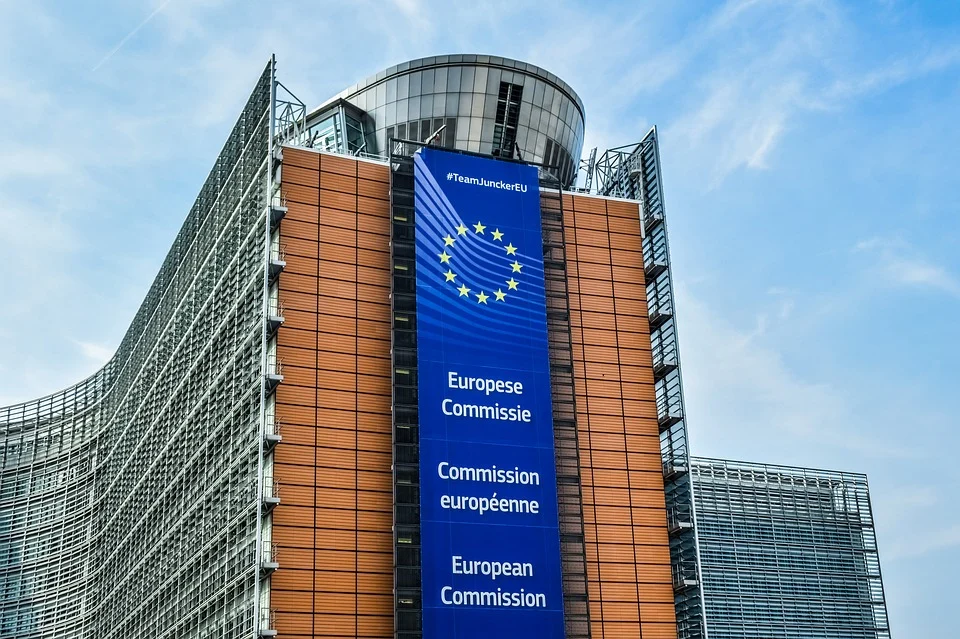
The contemporary transatlantic relationship is heavily influenced by the economic and security policies emanating from the U.S. Executive branch and the European Commission. Recent legislative developments, such as the U.S. Inflation Reduction Act (IRA), have highlighted these tensions, as European officials have raised concerns regarding the impact of domestic subsidies on transatlantic trade parity. According to the European Parliamentary Research Service, the IRA’s focus on clean energy incentives has prompted an ongoing dialogue between Washington and Brussels to prevent trade distortions and ensure that green transition efforts remain competitive across the Atlantic.
Beyond trade, the security dimension remains the most critical facet of the alliance. The role of the North Atlantic Treaty Organization (NATO) continues to be the primary vehicle for collective defense, yet member states are under increasing pressure to meet the alliance’s defense spending targets. As noted by NATO official records, the commitment to spend 2% of GDP on defense is a central benchmark for member nations, reflecting the ongoing necessity for modernizing military capabilities in an era of renewed systemic competition.
This push for defense modernization is not merely a U.S. Requirement but a response to evolving threats on the European continent. The coordination of military aid and the integration of defense industrial bases have become paramount, requiring a level of cooperation that transcends traditional diplomatic exchanges. The ability of both sides to align their industrial strategies will likely determine the success of this phase of the transatlantic relationship.
Economic Integration and Regulatory Hurdles
Trade between the United States and the European Union remains one of the most significant economic engines in the global economy. However, the regulatory environment is becoming increasingly complex. From digital privacy standards, such as the implementation of the General Data Protection Regulation (GDPR), to the development of artificial intelligence governance frameworks, the two sides are frequently at odds over the appropriate role of regulation in the digital economy. The EU-US Trade and Technology Council serves as a primary forum for mediating these differences, aiming to foster transatlantic cooperation on emerging technologies while respecting divergent regulatory philosophies.
These regulatory disagreements are often framed as a “clash of models,” with the U.S. Favoring innovation-led market approaches and the EU placing a higher premium on consumer protection and digital sovereignty. Despite these differences, the underlying economic interdependence remains robust. Cross-border investment flows between the U.S. And the EU continue to reach hundreds of billions of dollars annually, reinforcing the reality that both economies are deeply intertwined, regardless of political rhetoric.
The challenge for the coming years will be to ensure that these regulatory barriers do not stifle innovation or hinder the ability of firms to operate across the Atlantic. Policymakers are tasked with finding a middle ground that allows for technological progress while maintaining the high standards of safety and privacy that citizens in both jurisdictions demand.
The Path Forward for the Alliance
As the transatlantic crucible continues to test the resolve of Washington and European leaders, the focus is shifting toward long-term institutional stability. The ability of the alliance to adapt to the realities of the 2026 geopolitical climate will depend on sustained communication and a shared commitment to democratic principles. While the media often highlights the disagreements, the underlying institutional architecture remains remarkably resilient.

For the average citizen, the outcomes of these high-level discussions will have tangible effects on everything from the cost of goods and energy security to the stability of the global financial system. Transparency in these negotiations is essential to maintaining public trust. Official updates and policy briefings are regularly published through the U.S. Department of State and the European External Action Service, providing the public with the necessary information to track these developments in real-time.
Looking ahead, the next significant checkpoint for this dialogue will likely be the upcoming series of ministerial meetings scheduled for later this year, where officials are expected to revisit trade and security cooperation frameworks. These meetings will provide a clearer picture of how the transatlantic partnership intends to navigate the challenges of the coming decade. We encourage our readers to stay informed by following official government portals and to join the conversation in the comments section below regarding how you perceive the future of the Western alliance.
Worth a look