In the high-stakes world of professional sports fandom, loyalty is often measured in unwavering support, particularly when a hometown team reaches the pinnacle of its league. Recently, a peculiar controversy emerged within the digital sphere involving a beloved cultural icon and the New York Knicks, highlighting the intersection of public brand identity and the intense expectations of sports enthusiasts.
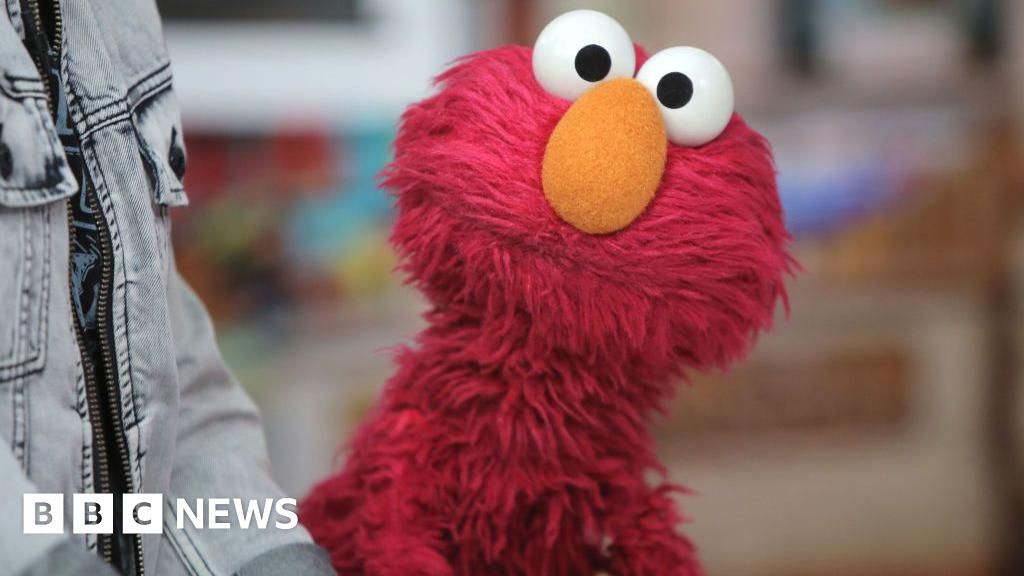
The Sesame Street character Elmo found himself at the center of an unexpected social media firestorm, with some observers labeling the Muppet a “traitor” after he appeared to withhold full-throated support for the New York Knicks during the NBA playoffs. While the character is synonymous with his fictional residence on Sesame Street—a neighborhood deeply rooted in the cultural fabric of New York City—the incident serves as a modern study on how public figures, even those of the puppet variety, are subject to the scrutiny of fan bases during championship runs.
The Intersection of Pop Culture and Sports Fandom
The controversy began when social media users scrutinized Elmo’s public engagement regarding the Knicks’ postseason performance. For many New Yorkers, the Knicks represent more than just a basketball franchise; they are a symbol of the city’s grit and competitive spirit. When a mascot or recognizable personality with a strong New York affiliation fails to align with the collective fervor of the fan base during a critical series, the reaction can be swift and vocal.
This phenomenon is not entirely new. In the era of real-time social media commentary, the distinction between a character’s fictional persona and the expectations of their audience often blurs. Fans frequently project their own regional pride onto iconic characters who are perceived to “belong” to their city. When that perceived loyalty is tested, the backlash—even if playful in its underlying intent—can manifest as genuine public discourse.
According to the official New York Knicks news hub, the franchise maintains a massive following that spans generations, often relying on local cultural touchstones to bolster its connection to the city. When entities like Sesame Street, which has been a staple of New York media production for decades, are perceived as wavering in their support, it creates a friction point that underscores how deeply sports culture is embedded in the city’s identity.
Brand Management in the Digital Age
For organizations managing high-profile intellectual property, navigating the expectations of a geographically specific fan base presents a unique challenge. Sesame Street has long operated under the mission of helping children grow, as outlined by their official organizational mission statement, which emphasizes inclusivity and kindness. Balancing this educational mandate with the sudden, aggressive demands of sports fandom requires a delicate touch.
The “traitor” narrative serves as a reminder that public perception is increasingly volatile. When a character is thrust into a polarized environment like an NBA finals run, the brand must determine whether to engage with the discourse or maintain its focus on its primary educational objectives. Engaging with sports debates can increase social media engagement metrics, but it also opens the door to the kind of criticism Elmo faced when his support was deemed insufficient by vocal fans.
Key Factors in the Public Reaction
- Regional Identity: The strong association between Sesame Street and New York City creates an implicit expectation of local support.
- Social Media Amplification: Algorithms tend to favor conflict-oriented narratives, turning minor slights into viral moments.
- Audience Expectations: Sports fans often view neutrality as a form of opposition, especially during high-stakes events like the NBA finals.
The Broader Context of Sports Loyalty
The reaction to Elmo’s perceived lack of enthusiasm highlights the intense pressure players and public figures face in major media markets. In New York, the expectations for professional teams are among the highest in the country. The National Basketball Association (NBA) continues to track the economic and cultural impact of its postseason, noting that fan engagement remains a critical component of the league’s growth strategy.

While the labeling of a Muppet as a “traitor” is clearly a hyperbolic expression of fan frustration, it reflects the genuine emotional investment New Yorkers have in their teams. For the business side of entertainment, this situation underscores the importance of maintaining a consistent brand voice while acknowledging the specific cultural contexts in which that voice is heard. Whether or not Elmo will adjust his “fandom” in future seasons remains to be seen, but the incident has certainly provided a case study in the risks of navigating the intersection of global brand identity and local sports passion.
As the NBA season concludes, observers will be watching to see how franchises and their associated partners manage these digital interactions. For now, the “Elmo vs. Knicks” saga stands as a testament to the fact that in New York, even fictional neighbors are not immune to the pressures of the playoffs.
We invite our readers to share their thoughts on the balance between brand neutrality and local sports loyalty in the comments section below. For ongoing updates regarding league news and official team statements, please refer to the NBA official portal.
Keep reading