
In a sudden shift of maritime strategy that has sent ripples through global energy markets, President Donald Trump announced on Tuesday evening that the United States is pausing its efforts to guide stranded vessels out of the Strait of Hormuz. The decision, delivered via a social media post, marks a significant pivot in the administration’s approach to one of the world’s most volatile geopolitical chokepoints.
The move comes as the administration seeks to finalize a diplomatic agreement to end the ongoing war with Iran. While the effort to reopen the waterway—which began on Monday—has been halted, the White House clarified that the U.S. Military blockade of Iranian ports will remain firmly in place. This duality suggests a strategy of maintaining maximum economic pressure on Tehran while leaving a narrow window open for a negotiated settlement.
The Trump Strait of Hormuz reversal has sparked immediate debate among international analysts regarding the stability of the current ceasefire and the influence of regional allies on U.S. Foreign policy. With the strait serving as a vital artery for global oil and gas supplies, any fluctuation in the U.S. Commitment to its openness has immediate consequences for fuel prices and international trade.
As the world watches for signs of a permanent peace deal, the pause in maritime operations highlights the delicate balance between military coercion and diplomatic outreach in the Middle East. The decision underscores the administration’s willingness to rapidly alter tactical operations to facilitate high-level negotiations.
The Strategic Logic Behind the Maritime Pause
The official justification for the pause is the pursuit of a comprehensive deal to end the conflict in the Middle East. By stepping back from the immediate effort to clear the Strait of Hormuz, the administration appears to be offering a tactical concession to avoid escalating tensions at a moment when diplomacy is prioritized. However, the decision to maintain the blockade of Iranian ports indicates that the U.S. Is not abandoning its leverage.
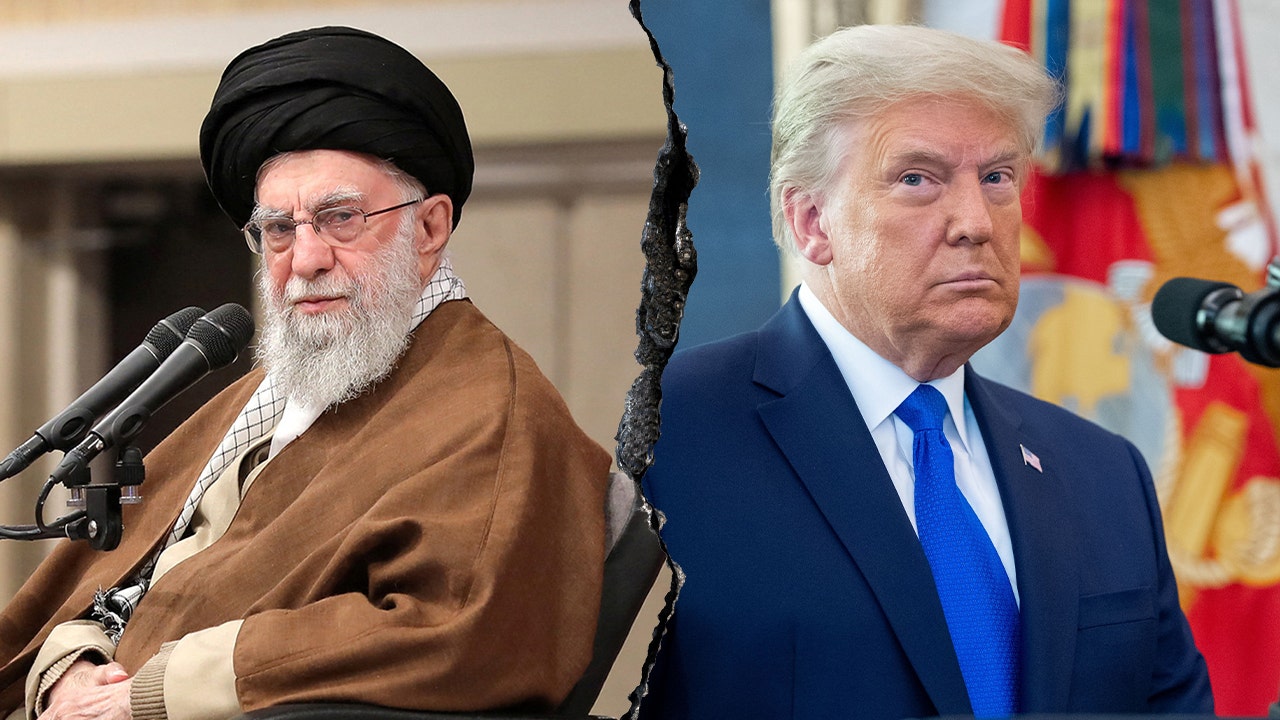
The blockade is intended to restrict Iran’s ability to export its own energy products and import essential goods, creating an economic environment that may compel Tehran to accept a major rollback of its disputed nuclear program. This “squeeze” tactic is a cornerstone of the current U.S. Strategy, aiming to force concessions that would ensure long-term regional security.
Industry experts note that the timing of the pause is critical. The effort to guide ships through the waterway had only just commenced on Monday before being suspended. This rapid U-turn suggests that either new diplomatic channels have opened or that the risks of a direct maritime confrontation during ceasefire talks were deemed too high.
Economic Volatility and Global Energy Security
The Strait of Hormuz is arguably the most essential transit point for global energy. Before the outbreak of the current war, the waterway was the primary route for massive quantities of oil, gas, and petroleum products, as well as essential commodities like fertilizer. Iran’s effective closure of the strait has already had a devastating impact on the global economy.
The restriction of traffic has sent fuel prices skyrocketing, contributing to inflationary pressures worldwide. For many nations, particularly in Asia and Europe, the inability to secure a steady flow of energy through the strait represents a systemic risk to national security and economic stability. The U.S. Effort to reopen the waterway was seen by many as the only viable path toward stabilizing global energy costs.
By pausing these efforts, the administration is essentially maintaining the status quo of high energy prices in exchange for a potential diplomatic breakthrough. This gamble places a significant burden on the global economy, as markets remain anxious about when—or if—the “chokehold” on the strait will be permanently broken.
The Diplomatic Chessboard: China and Iran
As the U.S. Pauses its maritime operations, other global powers are moving into the vacuum. On Wednesday morning, Iran’s Foreign Minister Abbas Araghchi met with his Chinese counterpart, Wang Yi, in Beijing. This meeting marks the first time since the start of the war that Araghchi has traveled to China, signaling a deepening of the strategic partnership between Tehran and Beijing.
China occupies a unique position in this conflict due to its close economic and political ties to Iran. As a major importer of Iranian oil, Beijing has a vested interest in the reopening of the Strait of Hormuz, but it also seeks to maintain its influence over Tehran. The meeting in Beijing is widely viewed as an attempt to coordinate a diplomatic exit strategy that satisfies both Iranian demands and international security requirements.
In Washington, U.S. Secretary of State Marco Rubio has publicly expressed hope that Beijing will use its influence to pressure Tehran. Rubio has emphasized the need for Iran to release its grip on the strait, recognizing that China may be the only actor capable of convincing the Iranian leadership to make the necessary concessions for a lasting peace. This reliance on Chinese mediation adds a layer of complexity to the U.S. Strategy, as it acknowledges that American military power alone cannot resolve the maritime crisis.
Unconfirmed Reports of Ally Pressure
While the official narrative focuses on the pursuit of a peace deal, unconfirmed reports have circulated suggesting that the sudden reversal may have been influenced by backlash from regional allies. Some analysts have pointed toward potential friction with Gulf partners who may have viewed the aggressive U.S. Push to reopen the strait as a risk to their own immediate security or diplomatic standings.
These reports, which suggest “anger” or diplomatic pressure from allies such as Saudi Arabia, have not been officially confirmed by the White House or the State Department. However, the history of U.S. Operations in the region suggests that the concerns of regional partners often play a role in tactical adjustments. If true, this would indicate that the “pause” is not merely a diplomatic gesture toward Iran, but also a necessary recalibration to maintain the unity of the anti-Iran coalition.
What This Means for the Future of the Region
The current situation is a high-stakes waiting game. The U.S. Has successfully maintained a blockade on Iranian ports, but it has paused the active liberation of the shipping lanes. This creates a period of precarious stability where the ceasefire holds, but the economic pain of the closed strait continues to mount.

For the global shipping industry, the uncertainty is the greatest challenge. Vessel operators must navigate a landscape where U.S. Policy can change in a matter of days. The pause in guidance efforts leaves many ships stranded, their crews in limbo, and their cargoes delayed, further straining global supply chains.
The ultimate success of this pivot depends on the outcome of the negotiations involving the U.S., Iran, and China. If a deal is reached, the reopening of the Strait of Hormuz will likely be the first and most visible sign of a new era of regional stability. If negotiations fail, the U.S. May be forced to resume its maritime operations with a renewed sense of urgency to prevent a total collapse of energy markets.
The next critical checkpoint will be the outcome of the ongoing diplomatic discussions between the U.S. And Tehran, with further updates expected as the administration monitors the effectiveness of the current ceasefire and the results of China’s mediation efforts.
World Today Journal encourages readers to share this report and join the conversation in the comments below regarding the impact of Middle East instability on global energy prices.
- NY School Pauses Humanoid AI Robot Teacher Plan After Teacher Backlash
- Toxic Substance Found in Dead Elephants: Investigation Underway
- Trump Administration Pursues New Criminal Charges Against Former FBI Director (world-today-news.com)
- Russian Drone Incursions in Romania: Defense Challenges and Diplomatic Responses (newsdirectory3.com)