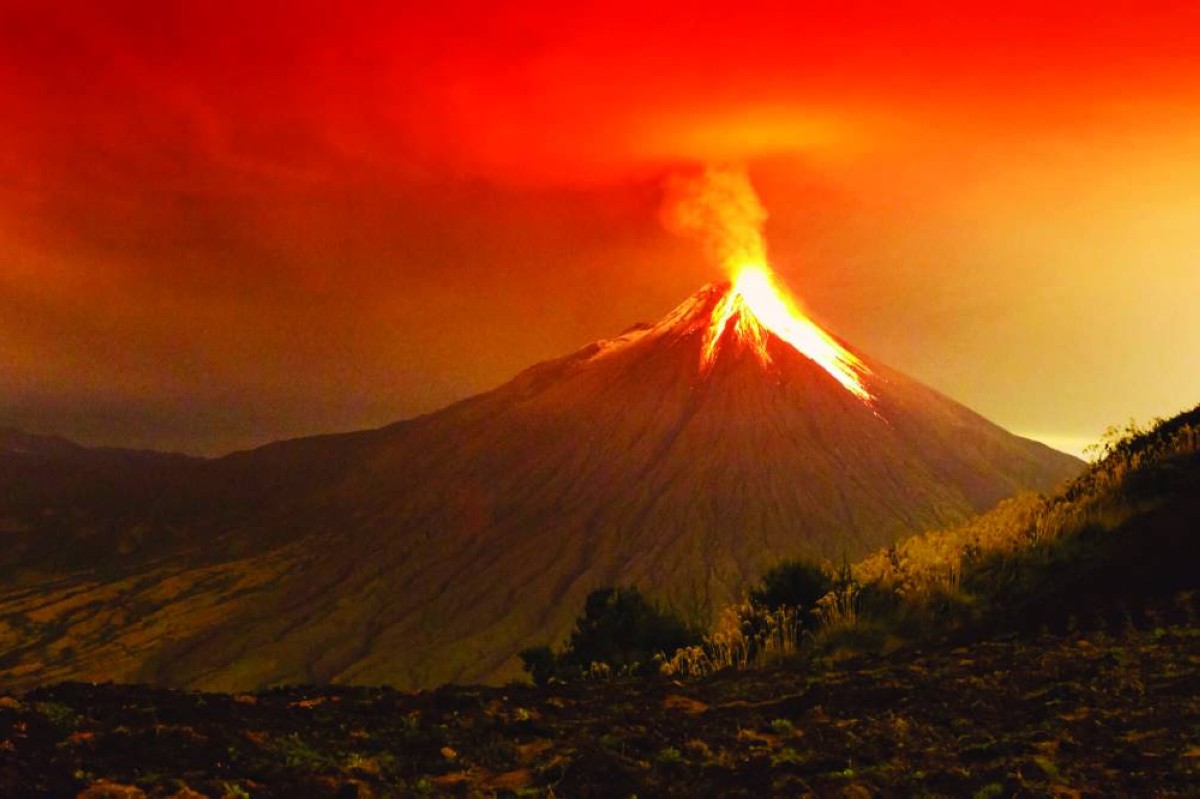
Volcanologists have long sought to understand the mechanisms that drive the dramatic spectrum of volcanic activity, ranging from gentle lava flows to catastrophic explosive eruptions. Recent research into the thermal dynamics of magma chambers—often discussed in the context of “thermal excess”—reveals how heat distribution and magma composition dictate the intensity of these geological events. By examining the interaction between viscosity, volatile content, and thermal energy, scientists are gaining a clearer picture of why some volcanoes remain dormant for centuries while others erupt with devastating force.
Understanding these processes requires a deep dive into the physics of the Earth’s crust. At the core of the issue is the behavior of molten rock as it ascends from deep within the mantle. As magma rises, the pressure decreases, allowing dissolved gases such as water vapor, carbon dioxide, and sulfur dioxide to expand. If the magma is highly viscous, these gases become trapped, building immense pressure that eventually leads to explosive decompression. This mechanism is central to the distinction between effusive eruptions, where lava flows steadily, and explosive eruptions, which can propel ash and debris miles into the atmosphere.
The Role of Thermal Energy in Magma Dynamics
The concept of thermal excess refers to the localized overheating of magma relative to its surroundings, which can trigger rapid changes in the state of the material. According to the United States Geological Survey (USGS), the temperature of magma typically ranges between 700 and 1,300 degrees Celsius, depending on the chemical composition—specifically the silica content—of the melt. Higher silica content increases viscosity, which in turn influences how effectively the magma can release its internal thermal energy.
When magma undergoes rapid heating or cooling, its physical properties shift, affecting the eruption style. Research published by the Smithsonian Institution’s Global Volcanism Program highlights that the rate of magma ascent is a critical factor in determining whether an eruption will be explosive. If magma rises slowly, it has time to degas, resulting in a less violent event. Conversely, rapid ascent, often fueled by thermal instability, prevents degassing, leading to the high-pressure conditions necessary for explosive activity.
Geological Indicators and Monitoring
Modern monitoring techniques allow researchers to track these thermal shifts in real-time. By utilizing satellite-based thermal imaging and ground-based seismic sensors, geologists can detect subtle changes in the heat signature of volcanic systems. The European Geosciences Union notes that seismic swarms often precede significant volcanic activity, providing a window of time for local authorities to issue safety advisories.
For residents living near active volcanic zones, these technological advancements are essential for risk mitigation. The International Association of Volcanology and Chemistry of the Earth’s Interior (IAVCEI) emphasizes the importance of community preparedness, noting that understanding the specific “why” behind volcanic variations helps in creating more accurate hazard maps and evacuation protocols. While scientists cannot predict the exact moment of an eruption, identifying the thermal and chemical precursors significantly improves the accuracy of long-term forecasting.
Why Volcanic Behavior Varies
The variation in volcanic behavior is not random; it is the result of a complex interplay between geological setting and magma chemistry. Shield volcanoes, such as those found in Hawaii, typically feature low-viscosity basaltic magma that allows for gentle eruptions. In contrast, stratovolcanoes, which are characterized by high-viscosity andesitic or rhyolitic magma, are prone to explosive eruptions because they trap gases more effectively. This distinction remains a cornerstone of modern volcanology, as explained by academic resources on igneous petrology.
As research continues, the focus remains on the “thermal budget” of volcanic systems. By quantifying how much heat is stored versus how much is dissipated, geologists hope to refine models that predict volcanic behavior under changing tectonic conditions. This scientific inquiry is not just an academic exercise; it is a vital component of protecting global populations from the inherent risks of living on a geologically active planet.
For those interested in the latest updates on volcanic activity worldwide, the Global Volcanism Program provides ongoing reports on current eruptions and volcanic unrest. As we gather more data on the thermal properties of the Earth’s interior, our ability to interpret the signals from these powerful natural engines will only continue to improve. We encourage readers to share their thoughts on these findings or comment on how emerging technologies are changing the way we perceive volcanic hazards.
Keep reading