
The rapid ascent of GLP-1 receptor agonist injections has been nothing short of a medical phenomenon. Once primarily used for diabetes management, these medications have transitioned into the global spotlight as a breakthrough for weight loss and the reduction of cardiovascular risks. However, as these treatments move from clinical trials to widespread public use, a more complex reality is emerging: the results are not uniform.
Whereas many celebrate the shedding of excess kilograms, a growing number of users are questioning why weight loss injections work for some and fail for others. The discourse has shifted from pure celebration to a critical examination of side effects and the behavioral factors that dictate whether a patient achieves their health goals or faces unexpected setbacks.
As an internal medicine physician and health journalist, I have watched the trajectory of these medications closely. The current wave of reports suggests that the “magic bullet” narrative is being replaced by a necessary understanding of patient behavior and nutritional discipline. The effectiveness of these drugs is not solely dependent on the chemistry of the injection, but on the ecosystem of the user’s lifestyle.
The Scale of Adoption and the Reality Check
The sheer scale of adoption for these treatments is evident in markets like the United Kingdom. Since the approval of the medication Mounjaro for the treatment of obesity in February 2024, the number of users across both the private and public sectors has surpassed 1.5 million people, according to data cited by the British newspaper Daily Mail via Erem News.
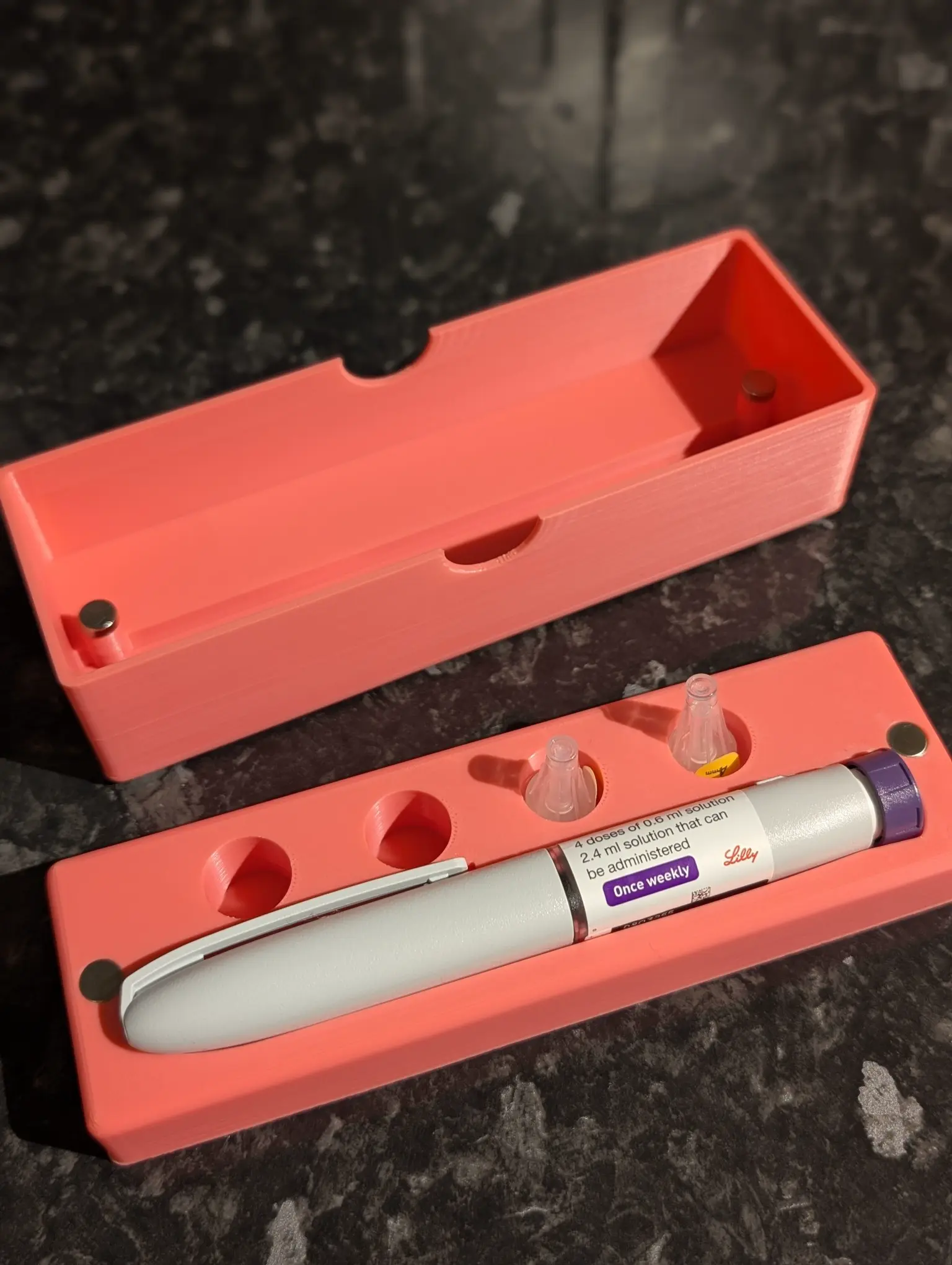
Despite the initial acclaim for their ability to reduce heart risks and eliminate stubborn weight, these medications are now facing a “harsh review of reality.” The gap between expected results and actual outcomes has led to increased scrutiny regarding their long-term efficacy and the nature of their side effects.
Why Results Vary: The Role of Nutritional Behavior
A central question for many users is why some experience transformative weight loss while others see stagnant numbers or experience adverse reactions. According to medical experts, the discrepancy often does not lie within the pharmacological properties of the drug itself.
Doctors have indicated that the “failure” or inconsistency of these injections is frequently tied to how the medication is used and the specific nutritional behaviors of the patient. When users rely solely on the injection without addressing underlying dietary habits, the results can vary significantly. This suggests that the medication is a tool for weight management rather than a standalone cure, and its success is heavily contingent upon the user’s commitment to a supportive nutritional framework.
Unexpected Side Effects: The Hair Loss Phenomenon
Beyond the variation in weight loss efficacy, a concerning trend has emerged regarding unexpected side effects. In recent months, there has been a surge in reports from users experiencing noticeable hair loss.
This phenomenon has gained significant traction on social media platforms, particularly Reddit, where thousands of users have shared their frustrations. One user reported that by the eighth month of treatment, the hair loss became “frightening.”
Medical professionals clarify that this hair loss is typically not a direct side effect of the drug’s chemical composition. Instead, it is often a physiological response to the rapid weight loss and the nutritional deficiencies that can accompany it. When the body undergoes extreme caloric deficits or lacks essential nutrients due to the appetite-suppressing effects of GLP-1 injections, it may divert resources away from “non-essential” functions like hair growth to maintain vital organ health.
The Future of Obesity Treatment: From Injections to Pills
As the medical community and the public navigate the challenges of injectable GLP-1s, the industry is already looking toward the next evolution of treatment. There is growing discussion regarding the development of oral alternatives—pills that could potentially replicate the results of injections.
The shift toward oral medication could “change the rules of the game entirely,” offering a less invasive delivery method that might improve patient compliance and potentially alter the side-effect profile associated with rapid, injection-driven weight loss.
Key Takeaways on GLP-1 Weight Loss Injections
- Not a Standalone Solution: Success varies based on the user’s nutritional behaviors and how the medication is integrated into their lifestyle.
- Significant Adoption: In the UK alone, Mounjaro has reached over 1.5 million users since February 2024.
- Side Effect Warnings: Noticeable hair loss has been reported by users, often linked to rapid weight loss and nutritional gaps rather than the drug itself.
- Medical Benefits: Beyond weight loss, these injections are recognized for their ability to reduce certain heart risks.
- Evolution of Treatment: The development of oral pills may eventually replace or supplement current injectable options.
The journey of GLP-1 medications highlights a fundamental truth in medicine: no treatment exists in a vacuum. While the science of these injections is a breakthrough, the human element—nutrition, behavior, and individual physiological response—remains the deciding factor in success.
We will continue to monitor official regulatory updates and clinical trials regarding the transition to oral weight loss medications. Stay tuned for further analysis on healthcare policy and medical innovation.
Do you have experience with GLP-1 treatments, or are you considering them? We invite you to share your thoughts and questions in the comments below.
Keep reading