
As a physician based in Berlin, I often tell my patients that the human vascular system is the body’s most sophisticated transport network. When we discuss how to improve blood circulation, we are fundamentally talking about maintaining the integrity of the highway that delivers oxygen and vital nutrients to every cell. Poor circulation is not a condition in itself, but rather a symptom of underlying vascular health issues that, if left unaddressed, can significantly increase the risk of cardiovascular disease—the leading cause of mortality globally according to the World Health Organization.
While many of my patients focus on complex supplements or expensive interventions, the most effective strategies for enhancing blood flow are often rooted in consistent, everyday lifestyle choices. Whether you are dealing with cold extremities, persistent fatigue, or concerns regarding long-term heart health, understanding the mechanics of how blood moves through your body is the first step toward meaningful improvement. Improving your circulation is about creating a physiological environment that supports vascular elasticity and reduces systemic inflammation.
The Mechanics of Vascular Health
At its core, blood circulation relies on the efficiency of the heart as a pump and the flexibility of the arteries and veins. Over time, factors such as arterial stiffness, sedentary behavior, and the buildup of plaque—a process known as atherosclerosis—can impede this flow. When circulation is compromised, the body struggles to regulate temperature and remove metabolic waste products effectively. Research from the American Heart Association emphasizes that maintaining healthy blood pressure and cholesterol levels is paramount to preventing the chronic vascular damage that leads to peripheral artery disease (PAD) and other related complications.
One of the most frequent questions I encounter in my clinic is whether moderate lifestyle adjustments can truly make a difference. The answer is a definitive yes. Our bodies are remarkably adaptive. By engaging in regular movement, we trigger the release of nitric oxide—a signaling molecule that helps blood vessels dilate—thereby reducing resistance and improving flow. This physiological response is one of the primary reasons why simple, consistent physical activity remains the gold standard for preventative vascular medicine.
Movement as Medicine
Consider this your reminder to go for a walk. It sounds deceptively simple, but the clinical benefits of regular, moderate-intensity aerobic exercise are profound. Walking, cycling, or swimming engages the large muscle groups in your legs, which act as a secondary pump for your venous system, helping to push blood back toward the heart against gravity. For those who spend long hours at a desk, the risk of venous stasis—where blood pools in the lower extremities—is a genuine concern.
To mitigate these risks, I recommend the “rule of 50”: every 50 minutes of sedentary work, take five minutes to stand, stretch, or walk. This brief interruption prevents the prolonged pressure on your veins and keeps your metabolic rate from dipping into the sedentary range. According to the Centers for Disease Control and Prevention, adults should aim for at least 150 minutes of moderate-intensity aerobic physical activity per week to maintain optimal cardiovascular function.
Nutritional Support for Your Arteries
While exercise provides the mechanical stimulus for better flow, nutrition provides the chemical building blocks. A heart-healthy diet is characterized by its ability to reduce systemic inflammation and support endothelial health—the health of the inner lining of your blood vessels. Diets rich in omega-3 fatty acids, found in fatty fish like salmon and mackerel, are widely recognized for their ability to improve arterial function and reduce blood viscosity.
incorporating nitrate-rich vegetables such as spinach, arugula, and beets can have a measurable impact on circulation. These nitrates are converted by the body into nitric oxide, which, as mentioned earlier, is essential for vasodilation. We see equally important to limit the intake of processed sugars and sodium, which are known contributors to hypertension—a major enemy of healthy circulation. The National Health Service provides comprehensive guidance on maintaining a balanced diet that supports long-term vascular integrity.
Key Takeaways for Better Circulation
- Prioritize Daily Movement: Aim for 30 minutes of brisk walking most days of the week to assist venous return.
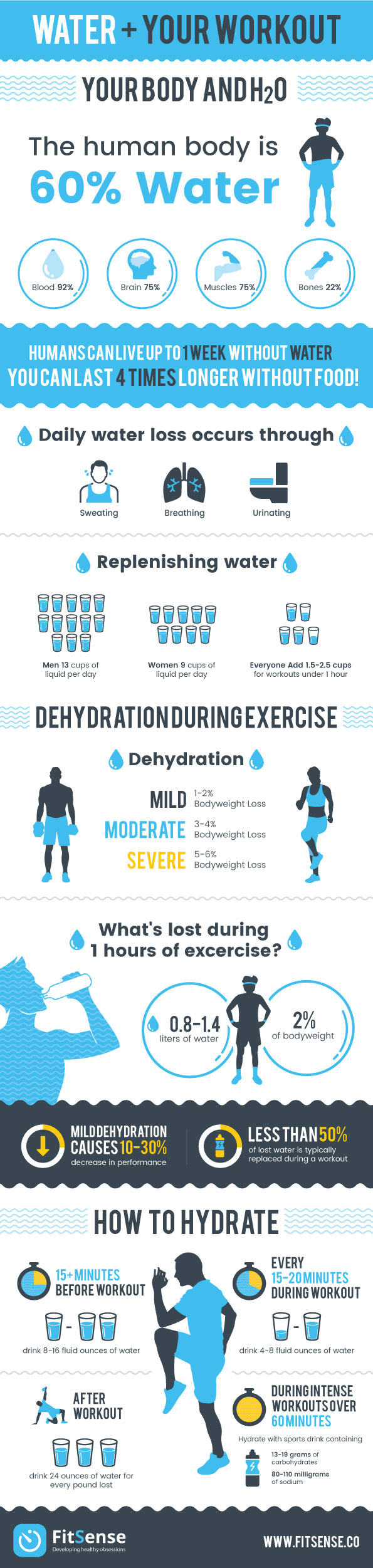
- Hydration Matters: Dehydration increases blood viscosity, making it harder for your heart to pump blood effectively.
- Manage Stress: Chronic stress triggers the release of cortisol, which can cause blood vessels to constrict. mindfulness and deep breathing can help counteract this.
- Quit Smoking: Tobacco use is a primary cause of arterial damage and vasoconstriction; there is no safe level of smoking for vascular health.
- Monitor Your Numbers: Regularly check your blood pressure and lipid profile with your primary care provider to catch early warning signs.
When to Seek Professional Medical Advice
While lifestyle changes are powerful, they are not a substitute for medical intervention when underlying conditions exist. If you experience persistent pain in your calves while walking (claudication), numbness or tingling in your limbs, or wounds that are slow to heal, you must consult a physician. These can be indicators of peripheral artery disease or other circulatory disorders that require diagnostic testing, such as an ankle-brachial index (ABI) test or vascular ultrasound.
In my practice, I find that patients who are proactive about their vascular health—tracking their progress and attending regular screenings—have significantly better outcomes. Do not wait for symptoms to become severe. If you have a family history of heart disease or are over the age of 50, talk to your doctor about a cardiovascular risk assessment. Being informed is the most effective tool in your health arsenal.
As we look toward the next scheduled update on global cardiovascular health guidelines, the consensus remains clear: consistency in movement and nutrition is the cornerstone of longevity. I encourage you to share your experiences or questions in the comments section below, as community dialogue often helps us stay accountable to our health goals. For those seeking personalized medical advice, please consult your local healthcare provider to discuss your specific clinical history and needs.