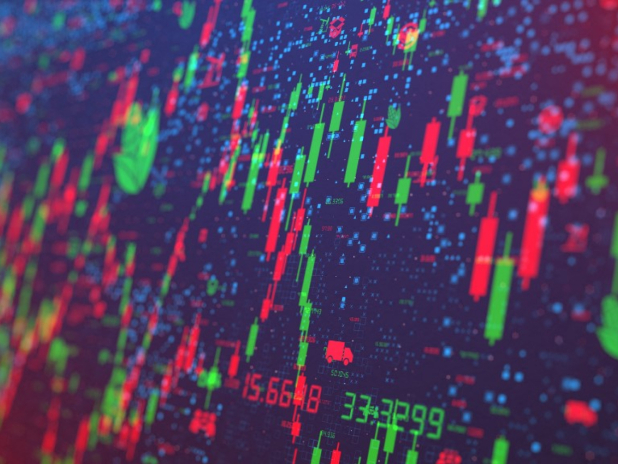
In the complex theater of global finance, the performance of Hong Kong-listed companies on overseas exchanges often serves as a primary bellwether for investor sentiment back in Asia. As of early June 2026, market participants have been closely monitoring the divergence between domestic closing prices and the performance of Hong Kong American Depositary Receipts (ADRs), a trend that reflects broader anxieties regarding liquidity and shifting macroeconomic indicators across the Pacific.
The latest data indicates that Hong Kong ADRs have generally trended lower compared to their most recent closing prices on the Hong Kong Stock Exchange. This downward pressure, mirrored by a retreat in overnight Hang Seng Index futures, suggests a cautious outlook among international investors. For those navigating the volatility of global markets, understanding the mechanics of these cross-listed securities—and the external pressures of US interest rate policy and offshore renminbi liquidity—is essential for maintaining a balanced portfolio.
Macroeconomic Pressures and Market Sentiment
The recent dip in ADR performance does not occur in a vacuum. Financial analysts point to a confluence of factors, including the cooling of US equity futures and a broader, more tempered approach to Asian equities. When ADRs trade at a discount to their Hong Kong counterparts, it often signals a lack of conviction among institutional players in the US, who may be recalibrating their risk exposure in response to central bank signaling. According to the Federal Reserve’s scheduled meeting cycle, investors remain hyper-vigilant regarding interest rate trajectory, which directly influences the valuation of capital-intensive emerging market assets.
the offshore renminbi (CNH) interbank market has shown signs of adjustment. Changes in interbank interest rates are often a barometer for liquidity conditions. when these rates fluctuate, they impact the cost of carry for international investors holding Chinese assets. The current environment, marked by a tightening of liquidity expectations, has prompted a defensive posture among traders. Investors seeking to track these shifts in real-time should refer to the Hong Kong Monetary Authority (HKMA) official reports, which provide the most accurate assessment of liquidity conditions and currency stability measures within the region.
Strategic Accumulation: The Pop Mart Case
Amidst the broader market malaise, individual stock activity continues to command attention. Notably, Pop Mart (09992.HK) has recently seen significant interest from prominent investors. Public filings and market reports have confirmed that Duan Yongping, a well-known investor, has continued to increase his holdings in the company, acquiring an additional 4.66 million shares. Such moves by high-profile stakeholders often serve as a signal to retail investors that, despite short-term fluctuations in ADRs and futures, long-term fundamental value may still be present in specific growth sectors.

For investors, the distinction between short-term technical volatility—such as a 191-point drop in overnight futures—and long-term capital allocation is paramount. When institutional investors like Duan increase their exposure, it underscores a divergence between short-term market noise and the underlying business performance of high-growth consumer brands. It is critical for market participants to verify such transactions through the HKEX Disclosure of Interests portal, which remains the definitive source for tracking substantial shareholder changes in Hong Kong-listed companies.
Key Market Insights
- ADR Divergence: The tendency for ADRs to trade at a discount to Hong Kong closings is currently a primary indicator of international investor caution.
- Liquidity Indicators: Monitoring offshore renminbi interbank rates is essential for understanding the cost of financing and market sentiment regarding China-linked assets.
- Institutional Signals: Significant share acquisitions by seasoned investors in firms like Pop Mart highlight the importance of fundamental analysis over macro-driven panic selling.
- Risk Management: With US equity futures showing volatility, investors should prioritize defensive positioning and stay updated via official regulatory channels rather than relying on speculative sentiment.
What Happens Next
As we move through the second quarter of 2026, the market will turn its attention to the upcoming economic data releases from both the United States and China. These reports will be instrumental in determining whether the current downward pressure on ADRs represents a structural shift or a temporary correction. The next significant checkpoint for the markets will be the release of mid-year inflation data and the subsequent policy statements from the Federal Open Market Committee, which will provide further clarity on the global interest rate environment.
We invite our readers to join the conversation. How are you adjusting your portfolio in light of current market volatility? Share your insights or questions in the comments section below, and stay tuned to World Today Journal for our ongoing coverage of global market trends and economic policy analysis.
Dr. Olivia Bennett is the Chief Editor of the Business section at World Today Journal. With over 18 years of experience in financial journalism and a PhD from the London School of Economics, she provides expert analysis on global economic policy and market developments.
Keep reading
- Lawyer Apologizes During Hearing on Order Withdrawal Case
- Can the Left Win the Midwest? Abdul El-Sayed and the Michigan Senate Primary Battle
- OAG Investigation Finds Kalshi Prediction Market Is Illegal Gambling Operation (newsdirectory3.com)
- Dream Industrial REIT Enters UK Multi-Let Market and Expands European Ventures (archyde.com)