
As the football world turns its eyes toward the 2026 FIFA World Cup, anticipation is building across Europe for what promises to be the largest tournament in the history of the sport. For fans in Switzerland, the conversation has shifted beyond just the matches themselves to the logistical and cultural impact of the event. With 104 matches scheduled to take place across North America, the challenge of bringing the tournament to a global audience is being met by public broadcasters and local community organizers alike, who are working to ensure that the spirit of the game remains accessible to all.
The 2026 FIFA World Cup is set to be a landmark event, featuring an expanded format that includes 48 teams, a significant increase from previous iterations. This expansion is designed to broaden the reach of the sport, offering more nations the opportunity to compete on the world stage. Official information regarding the tournament structure, including the full match schedule and host city details, is maintained by FIFA’s official tournament portal.
Broadcasting the Global Game
For Swiss football enthusiasts, the primary window into the tournament will be through the national broadcaster, SRF. As the tournament approaches, the focus is on the scale of the coverage required to deliver 104 matches to viewers in Switzerland. Ensuring that every game is available live represents a significant logistical undertaking in sports broadcasting, requiring precise coordination to manage time zone differences and broadcast rights across the country.
The role of public media in providing universal access to major sporting events remains a cornerstone of the Swiss viewing experience. By ensuring that the entire tournament is broadcast, the network facilitates a shared national experience, allowing fans to follow the progress of the Swiss national team alongside the rest of the world. Detailed information regarding the broadcast schedule is provided by SRF (Schweizer Radio und Fernsehen), which serves as the primary resource for viewers looking to track match times and coverage plans.
Community Engagement and Public Viewing
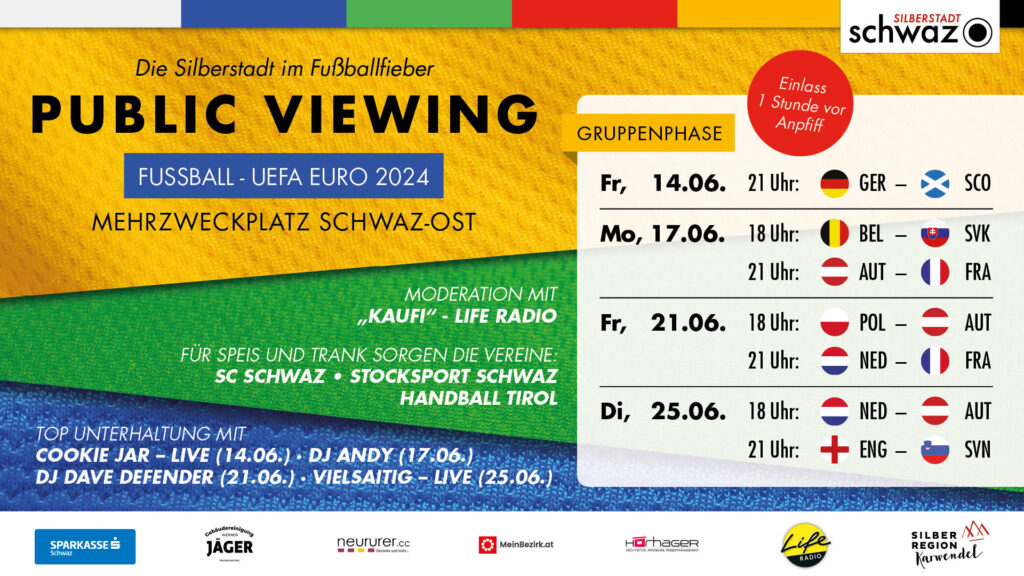
Beyond the living room, there is a growing interest in public viewing events, which have become a traditional way for communities to experience the communal joy of international football. In municipalities like Allschwil, local authorities are already considering how to best facilitate these gatherings. Such events are vital for local social cohesion, transforming community spaces into hubs of activity where fans can celebrate, debate, and support their teams together.
However, the organization of these events often sparks broader debates about inclusivity and the commercialization of sports. Discussions surrounding the 2026 tournament have touched upon the accessibility of the event, with various advocacy groups and public forums questioning whether the World Cup remains a “people’s game” or if it is becoming increasingly segmented by VIP access and high-cost entry points. Organizations such as Amnesty International Switzerland have frequently engaged in the discourse surrounding the human rights and social implications of major sporting events, advocating for transparency and the protection of inclusive social spaces.
What to Expect in 2026
As we look forward to the opening whistle, the primary focus for fans should be on verified information regarding ticketing, broadcast schedules, and local event regulations. The transition to a 48-team tournament means that the schedule will be more packed than ever, and staying informed through official channels is the most effective way to navigate the complexities of the event.
For those looking to participate in the excitement, whether by traveling to the host nations or joining a public viewing event locally, it is essential to monitor updates from the relevant authorities. The next major milestone for fans will be the release of the final confirmed match-day broadcast schedules, which will dictate how the tournament is experienced in European time zones. As further details regarding official fan zones and broadcast partnerships are released, I will continue to provide analysis and updates here at the World Today Journal.
What are your thoughts on the expanded format of the 2026 World Cup? Will you be watching from home, or are you planning to join a local public viewing event? Join the conversation in the comments below and let us know how you are preparing for the tournament.