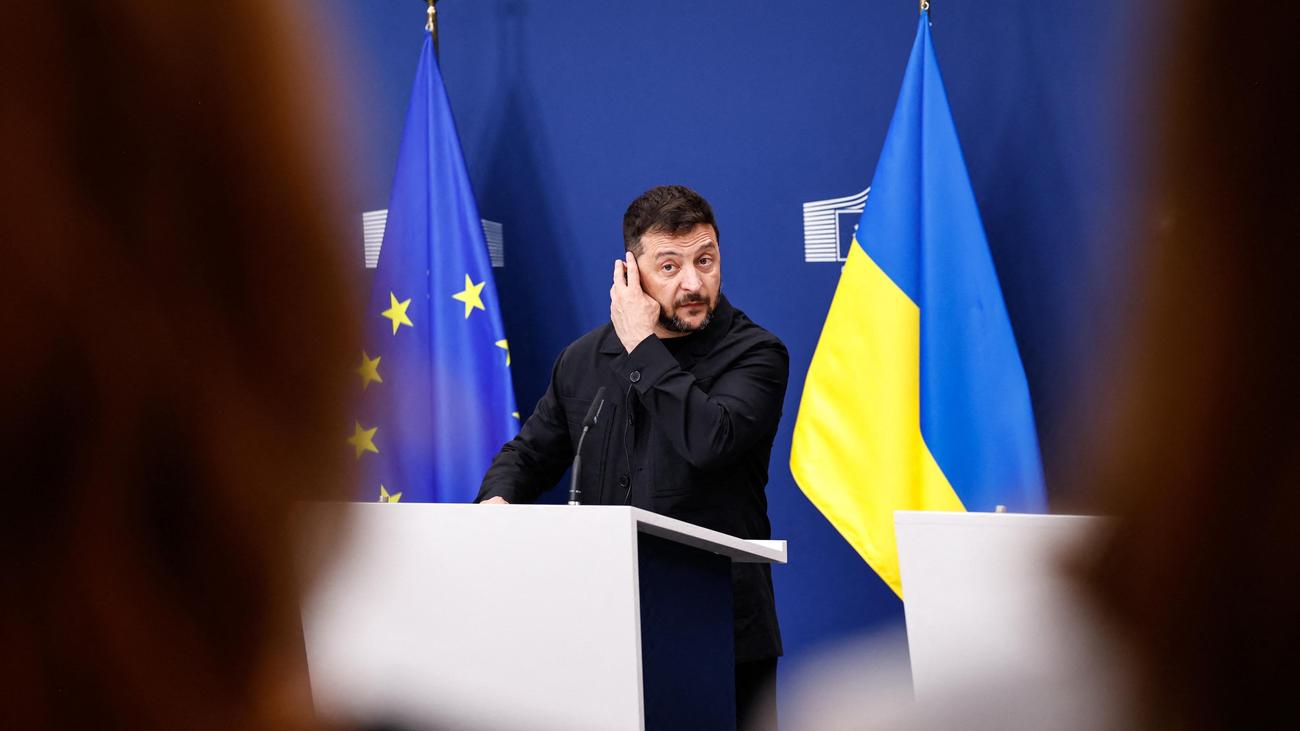
The European Union reached a historic milestone in its expansion policy in December 2023, as member states formally agreed to open accession negotiations with Ukraine and Moldova. This decision, finalized during the European Council summit in Brussels, represents a significant geopolitical shift for the bloc and a major step forward for the two candidate nations as they seek closer integration with European institutions amidst ongoing regional security challenges.
For many observers, the move to open formal accession talks with Ukraine and Moldova serves as a powerful signal of the European Union’s commitment to its Eastern neighbors. The path toward full membership is, however, a multi-year process characterized by rigorous legal, economic, and democratic reforms. As the bloc prepares for the complexities of integrating these nations, the focus remains on the “Copenhagen criteria,” the core set of standards that every candidate country must meet before joining the union, according to the European Commission’s official guidelines on enlargement.
A Strategic Shift in Brussels
The decision to proceed with negotiations was not without its internal friction. For months, the process faced uncertainty, largely due to the stance of the Hungarian government, which had expressed reservations regarding the readiness of Ukraine to begin formal talks. However, during the decisive summit, a diplomatic solution was reached that allowed the European Council to proceed with a consensus decision. As reported by the European Council’s official conclusions from the December 2023 meeting, the leaders affirmed their support for the integration of both Ukraine and Moldova, while also granting candidate status to Georgia and opening talks with Bosnia and Herzegovina once the necessary degree of compliance with the membership criteria is achieved.
This development is deeply rooted in the geopolitical reality of the continent. Since the full-scale invasion of Ukraine by Russia in February 2022, the security architecture of Eastern Europe has been fundamentally altered. The European Union has responded by accelerating its enlargement agenda, viewing the integration of these states as a vital component of long-term stability and democratic resilience in the region. The process is not merely political; it involves the harmonization of thousands of pages of EU law, known as the acquis communautaire, which covers everything from trade standards to environmental regulations and judicial independence.
The Road Ahead: Reforms and Compliance
Opening negotiations is merely the beginning of a long and demanding journey. The European Union requires candidate countries to demonstrate tangible progress in the rule of law, anti-corruption measures, and the protection of minority rights. For Ukraine, these reforms are being implemented even as the country continues to defend its sovereignty. The European Commission’s 2023 enlargement package details the specific benchmarks that Ukraine and Moldova are expected to meet, emphasizing that the speed of the accession process is “merit-based,” meaning it is entirely dependent on the individual country’s pace of reform.

In Moldova, the government has been actively working to align its legislative framework with EU standards, focusing on energy security and the modernization of its public administration. The country’s leadership has framed the pursuit of EU membership as a civilizational choice, essential for ensuring the nation’s democratic future. Both Kyiv and Chișinău are currently engaged in a process of “screening,” where the European Commission systematically reviews the national legislation of the candidate countries against the EU’s own rules to identify areas where further alignment is required.
Key Takeaways on the EU Accession Process
- Candidate Status: Achieving candidate status is a recognition of a country’s potential to join, but it does not guarantee a timeline for entry.
- The Negotiating Framework: This document sets out the guiding principles for the talks, which must be unanimously approved by all 27 EU member states.
- The Acquis Communautaire: Candidates must adopt and implement the entire body of EU law, which is divided into 35 thematic “chapters.”
- Merit-Based Progress: There are no “fast tracks” in the legal sense; each country progresses based on its success in implementing the required reforms.
Geopolitical Implications and Internal EU Reform
The expansion of the European Union to include Ukraine and Moldova raises significant questions about the future of the bloc itself. Integrating such large nations will necessitate internal reforms within the EU, particularly regarding decision-making processes and the Common Agricultural Policy (CAP). Many member states have argued that before the union can grow, it must refine its own internal mechanisms to ensure it remains functional and efficient with a larger membership.
Discussions regarding the “deepening” versus “widening” of the Union are now central to the discourse in Brussels. Proponents of enlargement argue that a larger, more integrated Europe is better positioned to compete globally and maintain security on its eastern borders. Conversely, some policymakers emphasize the need to ensure that the existing institutional framework can handle the addition of new members without stalling progress on critical issues like climate policy or economic integration. For those interested in following the legislative progress of these negotiations, the European Parliament’s Legislative Train Schedule provides a comprehensive overview of the policy files currently being processed.
Looking Toward the Future
As we move further into the current political cycle, the focus will shift to the practical implementation of the negotiating frameworks. While the political decision to start talks has been made, the technical work is immense. The European Commission will continue to issue annual progress reports, which serve as the primary barometer for the readiness of each candidate country. These reports are essential for citizens and investors alike to understand the trajectory of these nations as they transition toward full integration.
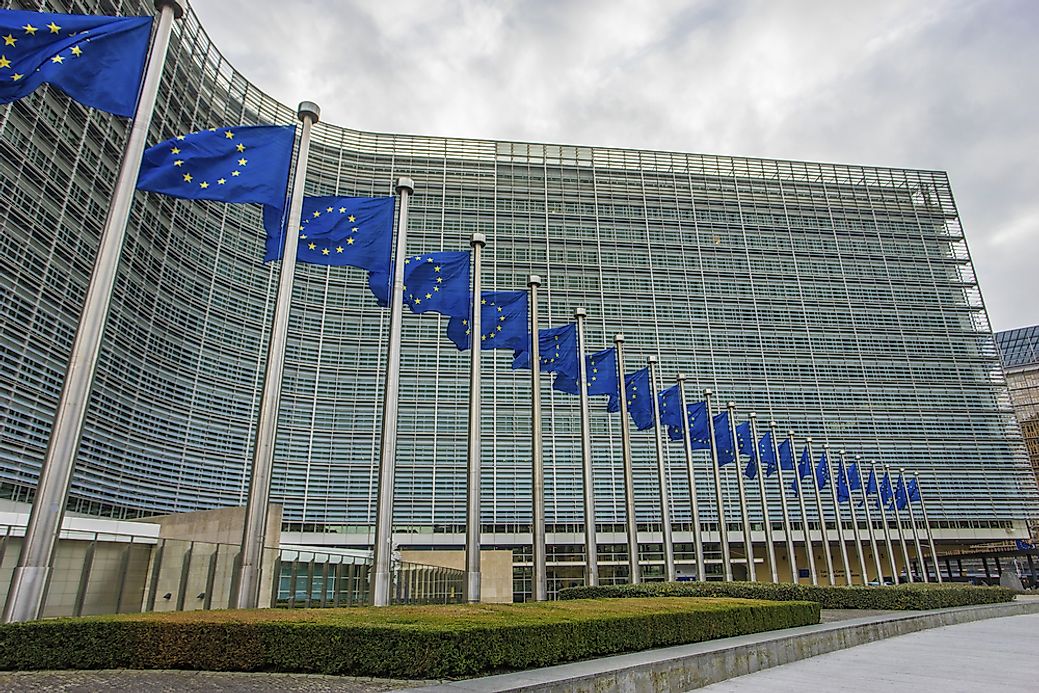
The next major checkpoint in this process will involve the convening of intergovernmental conferences, where the specific negotiation chapters will be opened and closed based on the progress of reforms. These sessions are where the actual, detailed work of accession happens, often away from the headlines of general political summits. We will continue to monitor these developments closely, ensuring that our readers receive accurate, verified updates on the progress of Ukraine and Moldova toward their goal of EU membership.
What are your thoughts on the future of European enlargement? The integration of these nations is one of the defining geopolitical stories of our time. We invite you to join the conversation in the comments section below and share your perspective on how this expansion will shape the future of the continent.
Worth a look