
Zhejiang province is currently navigating a period of volatile meteorological conditions, characterized by persistent rainfall and localized severe convective weather. As an editor at World Today Journal, I have been monitoring the latest reports concerning these developments, which have necessitated heightened awareness among residents and local authorities across the region. The atmospheric instability currently affecting the province is part of a broader shift in weather patterns that has brought both significant precipitation and the potential for disruptive wind events.
For those living in or traveling to the region, understanding the nature of these weather systems is essential for safety. Meteorological data from official channels indicates that while the intensity of the rainfall is expected to show a marked decrease over the coming 48 hours, the immediate period remains marked by high humidity and the risk of localized heavy downpours. These conditions, often described as a “wet and hot” cycle, are common in this part of China during the early summer months as seasonal moisture transport shifts.
Understanding the Current Meteorological Impact
The core of the current weather event involves a southward-shifting rain belt that has brought varying degrees of precipitation to Zhejiang. According to official meteorological updates, the province has been experiencing a pattern of high humidity paired with significant convective activity. This combination is notorious for producing intense, short-duration rainfall, gusty winds, and in some areas, localized flooding risks. For a comprehensive look at the provincial climate profile and historical weather patterns, official resources such as the Zhejiang Provincial Government portal provide ongoing updates and safety guidelines for the public.
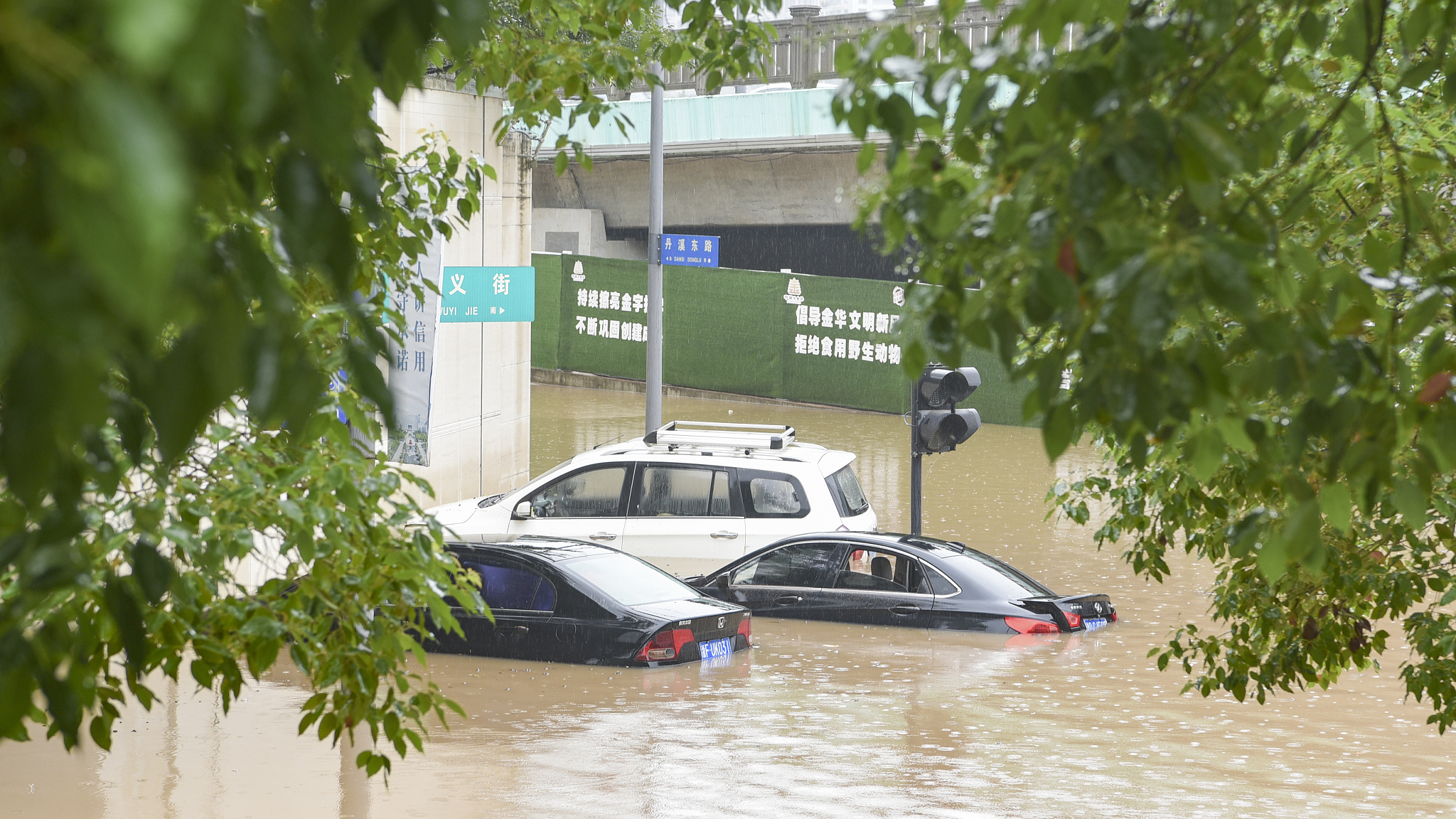
The phenomenon of “severe convective weather”—a term used by meteorologists to describe sudden, intense storms—is a critical factor in this week’s forecast. These systems can develop rapidly, turning a relatively calm morning into a period of heavy rain and high-velocity wind in a matter of minutes. As the region moves through this cycle, the provincial authorities have emphasized the importance of staying informed through official, verified channels rather than relying on unconfirmed reports or social media speculation.
Safety Guidance for Heavy Rainfall
When dealing with heavy rain and convective storms, preparedness is the most effective tool for safety. Meteorologists and public safety officials consistently advise that residents should monitor local warnings, particularly those issued for localized flooding in low-lying areas or mountain regions prone to landslides. Keeping a “weather watch” involves not only checking the forecast but also preparing for potential power outages or travel delays caused by water accumulation on roadways.
Key safety measures often recommended during such periods include:
- Monitoring official updates from the National Meteorological Center and local provincial weather bureaus.
- Avoiding travel through known flood-prone areas or underpasses during peak rainfall.
- Securing loose outdoor objects that could be displaced by strong winds.
- Ensuring that personal emergency kits—including flashlights, batteries, and essential supplies—are accessible.
The current weather pattern is expected to subside significantly within the next two days, allowing for a return to more stable atmospheric conditions. However, the legacy of such heavy rain can persist in the form of saturated soil and elevated water levels in local reservoirs, which authorities continue to monitor closely.
The Broader Context of Zhejiang’s Climate
Zhejiang, a province known for its diverse geography ranging from the coastal plains of Ningbo and Wenzhou to the mountainous interior, has long managed the challenges of a subtropical climate. As noted in regional economic and social data, the province’s infrastructure, including its extensive network of canals and modern transportation systems, is designed to accommodate the heavy seasonal rains that are typical for the Yangtze River Delta region. For deeper insights into the province’s ongoing development and official news, the official Zhejiang provincial website serves as the primary repository for government policies and public information.
Looking ahead, the focus for the region remains on the transition toward more stable weather. While the “sunshine balance”—a colloquial term often used to describe the lack of clear, dry weather—is currently low, the expected clearing trend in the next 48 hours will likely bring relief to residents and commuters alike. As we continue to track these developments, we encourage our readers to prioritize safety and verify all weather-related information through the official channels provided by local meteorological services.
The next official update regarding the provincial weather outlook is expected to be released by the local meteorological bureaus as the current system exits the region. We will continue to provide updates as verified information becomes available. We invite our readers to share their experiences or observations in the comments section below, ensuring that all community reports remain grounded in factual observation.
Related reading
- K-Pop European Tour Dates: London, Madrid & More Announced
- Chris Alexander Enters Toronto Mayoral Race as Olivia Chow Leads Poll
- Purdue Engineers Create Strong and Flexible Cobalt Aluminum Intermetallics (time.news)
- Katabatic Winds, Explained: Why Antarctica Is Earth's Windiest Place (daybreakwire.com)