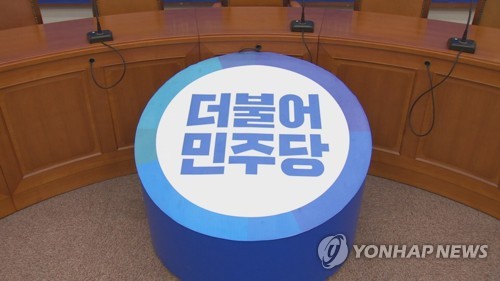
Democratic Party of Korea lawmakers recently criticized a United States House of Representatives report concerning Coupang, alleging the document relies too heavily on the e-commerce company’s own arguments rather than independent analysis. The criticism centers on whether the report—which examines market practices and digital platform regulation—effectively functions as a platform for corporate self-justification rather than an objective oversight document.
The controversy arises as South Korean regulators and political figures continue to debate the responsibilities of major digital platforms. According to reports from the National Assembly, legislators have expressed concern that the U.S. House document fails to address systemic issues regarding digital consumer rights and fair competition, instead reflecting Coupang’s internal position on regulatory compliance and market dominance.
The Nature of the Criticism
Members of the Democratic Party have publicly questioned the objectivity of the U.S. House report, suggesting it mirrors the company’s own public relations narratives. Critics argue that in a landscape where digital platforms hold significant influence over consumer data and market access, international reports should prioritize the protection of “digital basic rights” for citizens over the interests of corporations. The assertion is that the report minimizes the impact of platform practices that have drawn scrutiny from domestic authorities in South Korea.

This critique comes at a time when the Korea Fair Trade Commission (KFTC) has been actively investigating various e-commerce practices. The Democratic Party’s reaction to the U.S. House report is framed within this broader context of enforcement and the push for stricter corporate accountability.
Regulatory Scrutiny and Digital Rights
The core of the dispute involves how multinational companies represent their business models to foreign legislative bodies. Lawmakers have warned that companies should not “wear a costume” of compliance while potentially circumventing local regulations that protect consumers. The Democratic Party emphasizes that the government must maintain a firm stance on corporate responsibility, particularly when investigations into unfair trade practices are ongoing.

The KFTC’s recent actions serve as a primary point of reference for these lawmakers. By emphasizing the need for transparency in how algorithms prioritize products, regulators are signaling a shift in how digital platforms are expected to operate within the South Korean market. Critics of the U.S. report argue that any international analysis that ignores these findings or frames them solely through the lens of the company’s defense is fundamentally incomplete.
What Happens Next
The legislative focus remains on the ongoing legal and administrative processes involving major digital platforms. The Democratic Party has called for continued vigilance, asserting that the government must prioritize the digital rights of citizens over the lobbying efforts of large corporations. As the KFTC moves forward with its enforcement measures and monitors compliance with its recent rulings, the political debate over how foreign reports reflect—or ignore—these domestic realities is likely to continue.
There are no immediate hearings scheduled regarding the U.S. House report itself, though lawmakers are expected to continue monitoring the situation as part of their broader oversight of the digital economy. Interested parties can follow updates regarding the KFTC’s enforcement actions and legislative inquiries through the official Korea Fair Trade Commission website, which provides the most accurate information on current investigations and regulatory decisions.
For those following the intersection of technology policy and market regulation, the tension between international corporate reporting and local regulatory findings remains a significant area of development. Readers are encouraged to share their thoughts or follow our coverage for future updates as more information regarding these regulatory proceedings becomes available.