
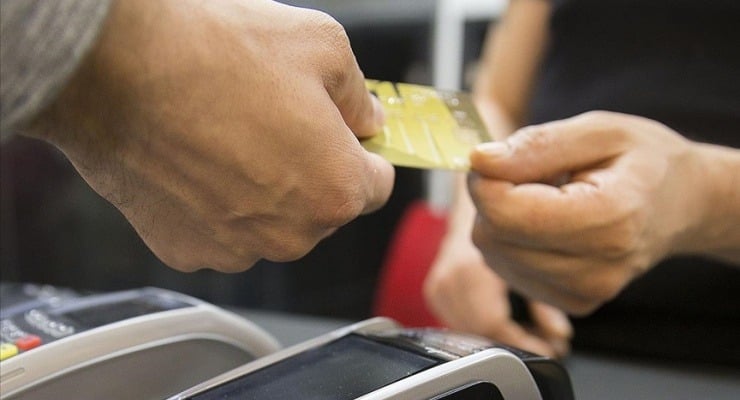
The age-old social dilemma of who picks up the tab after a meal or a movie has shifted from a matter of simple etiquette to a subject of psychological study. Although splitting the bill is often seen as the fair and logical approach, new research suggests that the act of dividing costs may actually diminish the overall happiness derived from a shared experience.
According to recent findings reported by The Independent, the decision regarding why you should stop splitting the bill can significantly impact your emotional well-being. The data indicates that in many cases, taking on the full cost of a shared activity—even when finances are tight—can lead to greater personal satisfaction and happiness than dividing the expense.
This shift in perspective aligns with the growing concept of the “experience economy,” where the value of an outing is measured not by the service received, but by the memories created and the bonds strengthened with others. When the focus shifts from financial transaction to social connection, the psychological reward of generosity often outweighs the monetary loss.
The Psychology of the Experience Economy
Psychological research highlights a distinct difference in how humans perceive value. While people facing financial constraints often lean toward spending on physical goods, other studies show a different trend. For instance, in Austria, individuals have continued to prioritize experiences over material possessions even during periods of high living costs.

The core of this preference lies in the fact that experiences generate lasting memories and stories, whereas physical products eventually lose their novelty. By investing in a shared event—be it a cinema trip or a visit to an interesting venue—individuals are essentially purchasing a memory rather than a commodity. This makes the act of paying for another person a way of investing in a shared history and a deeper interpersonal connection.
The level of enjoyment derived from these experiences is further influenced by the quality of the company. Factors such as the depth of the conversation and a mutual familiarity with the interests involved play a critical role in determining how much happiness a person gains from the outing.
Social Norms and the Happiness Gap
The emotional aftermath of paying for someone else is not universal; it is heavily shaped by the social norms and expectations tied to specific relationship types. The feeling of happiness following a generous gesture depends largely on whether the act aligns with the perceived roles and expectations within that friendship or partnership.
When a person chooses to cover the entire cost, they are often moving away from a transactional mindset and toward a relational one. This transition can remove the tension often associated with the “who pays” moment—a scenario that can otherwise shift the mood of an entire event, turning a pleasant outing into a stressful negotiation over cents and decimals.
Key Factors Influencing the Experience
- Relationship Dynamics: The impact of paying the bill varies based on the established norms of the specific relationship.
- Memory Creation: Prioritizing “memories” over “services” increases the long-term psychological value of the spend.
- Social Bonding: Sharing an experience without the friction of cost-splitting can strengthen the emotional tie between participants.
the move toward avoiding the split bill is a move toward valuing human connection over mathematical fairness. By focusing on the shared joy of the moment rather than the division of the cost, individuals may find a more sustainable path to happiness in their social lives.
As social dynamics and economic priorities continue to evolve, the way we handle shared expenses will likely remain a reflection of what we value most: the money in our wallets or the memories we make with others.
We invite our readers to share their thoughts on social spending and generosity in the comments below.