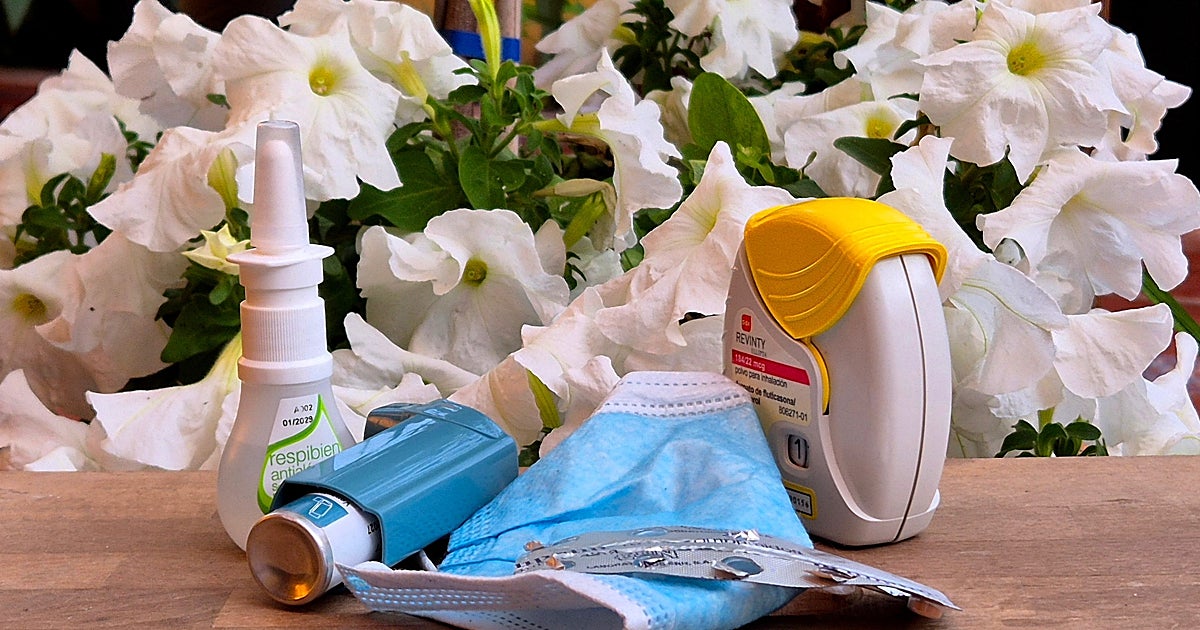
Málaga’s residents are bracing for a dual onslaught of seasonal allergies as olive pollen reaches extreme levels—weeks before the expected surge in grass pollen. Whereas official pollen counts may not yet reflect the severity of symptoms many are experiencing, experts warn that this early spike could signal a particularly harsh allergy season ahead. The phenomenon highlights a growing concern: why do allergy sufferers sometimes endure debilitating symptoms even when pollen levels appear relatively low?
Dr. Helena Fischer, Editor of Health at World Today Journal, explains that the disconnect between pollen data and symptom severity stems from multiple factors. “Olive pollen, in particular, is highly allergenic and can trigger reactions even at lower concentrations compared to other types of pollen,” she notes. “other environmental irritants—such as mold spores, dust mites, or even vehicle emissions—can exacerbate allergic responses, creating a compounded effect that pollen counts alone may not capture.”
The current situation in Málaga aligns with broader trends observed across southern Europe, where climate change has prolonged pollen seasons and intensified allergenic potency. According to the World Health Organization (WHO), allergic rhinitis—commonly known as hay fever—affects up to 40% of the global population, with symptoms ranging from sneezing and nasal congestion to severe asthma attacks. In Spain, where olive trees are widespread, olive pollen (known scientifically as Olea europaea) is a primary culprit during spring months.
But why are symptoms so severe when pollen levels aren’t at their peak? The answer lies in the complexity of allergic triggers. While pollen counts measure the concentration of airborne particles, they don’t account for:
- Cross-reactivity: Some individuals may react to multiple types of pollen or even foods (e.g., olive pollen and certain fruits or nuts) due to shared proteins.
- Individual sensitivity: A person’s immune response varies; what may be a mild irritant for one could be a full-blown allergic reaction for another.
- Secondary irritants: Pollution, smoke, or indoor allergens (like pet dander or dust) can amplify symptoms even when outdoor pollen levels are moderate.
- Weather patterns: Humidity and temperature fluctuations can increase pollen’s allergenic potential, making symptoms worse even at lower counts.
Olive Pollen: The Silent Allergy Trigger
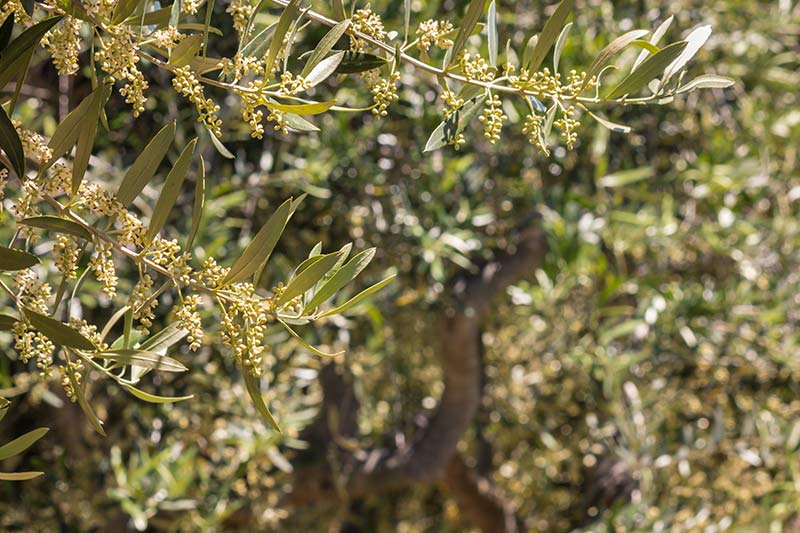
Olive pollen, though less discussed than grass or ragweed pollen, is a potent allergen. Studies published in journals like the Journal of Allergy and Clinical Immunology highlight its ability to provoke strong immune responses. In regions like Andalucía, where olive groves dominate the landscape, residents often report heightened allergy symptoms during the olive tree flowering season, typically from March to May.
Recent data from the Spanish Aerobiology Network (REA) indicates that olive pollen levels in Málaga have surpassed historical averages for this time of year. While official alerts may not yet classify the situation as “extreme,” local allergists report a surge in patient visits for symptoms including:
- Persistent sneezing and nasal congestion
- Watery or itchy eyes
- Throat irritation and coughing
- In some cases, asthma exacerbations
Dr. María López, an allergist at the Virgen del Rocío University Hospital in Seville, emphasizes that olive pollen’s small, sticky particles can linger in the air for extended periods, increasing exposure. “Patients often underestimate the impact of olive pollen because it’s not as widely monitored as grass pollen,” she says. “But its allergenic potential is significant, especially for those with pre-existing respiratory conditions.”
What’s Next: The Grass Pollen Surge
While olive pollen currently dominates, meteorologists and allergists warn that Málaga—and much of southern Europe—is poised for a dramatic shift in the coming weeks. Grass pollen, which typically peaks in June, is expected to explode in concentration, further straining allergy sufferers. The Copernicus Atmosphere Monitoring Service (CAMS) has already flagged elevated pollen forecasts for the region, suggesting a prolonged allergy season.
For residents, this means symptoms could worsen before improving. “The overlap between olive and grass pollen seasons can create a ‘double exposure’ effect, where the immune system is constantly overloaded,” explains Dr. Fischer. “This is particularly challenging for children, the elderly, and individuals with asthma or chronic obstructive pulmonary disease (COPD).”
Practical Steps to Manage Symptoms
Given the complexity of allergy triggers, experts recommend a multi-pronged approach to mitigate symptoms:
- Monitor local pollen forecasts: Resources like the REA’s pollen calendar provide real-time updates for Málaga and other Spanish regions.
- Limit outdoor exposure: Avoid outdoor activities during midday when pollen counts are highest. Use air purifiers with HEPA filters indoors.
- Wash thoroughly: Shower and change clothes after spending time outside to remove pollen residue.
- Consult an allergist: For severe or persistent symptoms, allergy testing can identify specific triggers and guide treatment options, such as immunotherapy or antihistamines.
- Check air quality: Pollution can exacerbate allergies; platforms like the World Air Quality Index offer real-time data.
Why This Matters Beyond Málaga
The situation in Málaga reflects a broader global trend: rising allergy rates linked to climate change, urbanization, and increased exposure to allergens. The European Environment Agency (EEA) reports that climate change is extending pollen seasons, increasing concentrations, and introducing new allergenic plants to regions where they previously didn’t thrive.

In Spain alone, healthcare costs related to allergies are estimated to exceed €3.5 billion annually, according to a 2023 study published in the Allergologia et Immunopathologia. The economic and health burdens underscore the need for better public awareness and targeted interventions.
Looking Ahead: What’s the Outlook?
For now, Málaga’s allergy sufferers should prepare for continued discomfort as olive pollen levels remain high and grass pollen prepares to accept over. The Spanish Meteorological Agency (AEMET) predicts above-average temperatures for the next two weeks, which could further prolong pollen dispersion.
Dr. Fischer advises staying vigilant: “This is not just a seasonal inconvenience—it’s a public health issue. Those with allergies should take proactive steps now to avoid complications later. And for the broader population, understanding the nuances of pollen and allergens can help reduce stigma and improve support for those affected.”
For the latest updates on pollen levels and health advisories, follow official sources such as the REA and local health authorities. If symptoms worsen, seek medical attention promptly.
Have you experienced severe allergy symptoms despite low pollen counts? Share your story in the comments below—or help others by spreading this guide. Together, You can navigate the allergy season with greater awareness and resilience.
Worth a look